
4 min read•Albert Barra
Humanizing Hotel Brands: Experiences That Leave a Lasting Impression

Albert BarraNovember 30, 2023 · 4 min read
Discover how humanizing hotel brands has evolved in the digital age—and why authenticity and personalization are essential to building meaningful guest connections and long-term loyalty.
LEAD HOSPITALITY·INSIGHTS
PREMIUM PUBLICATIONS

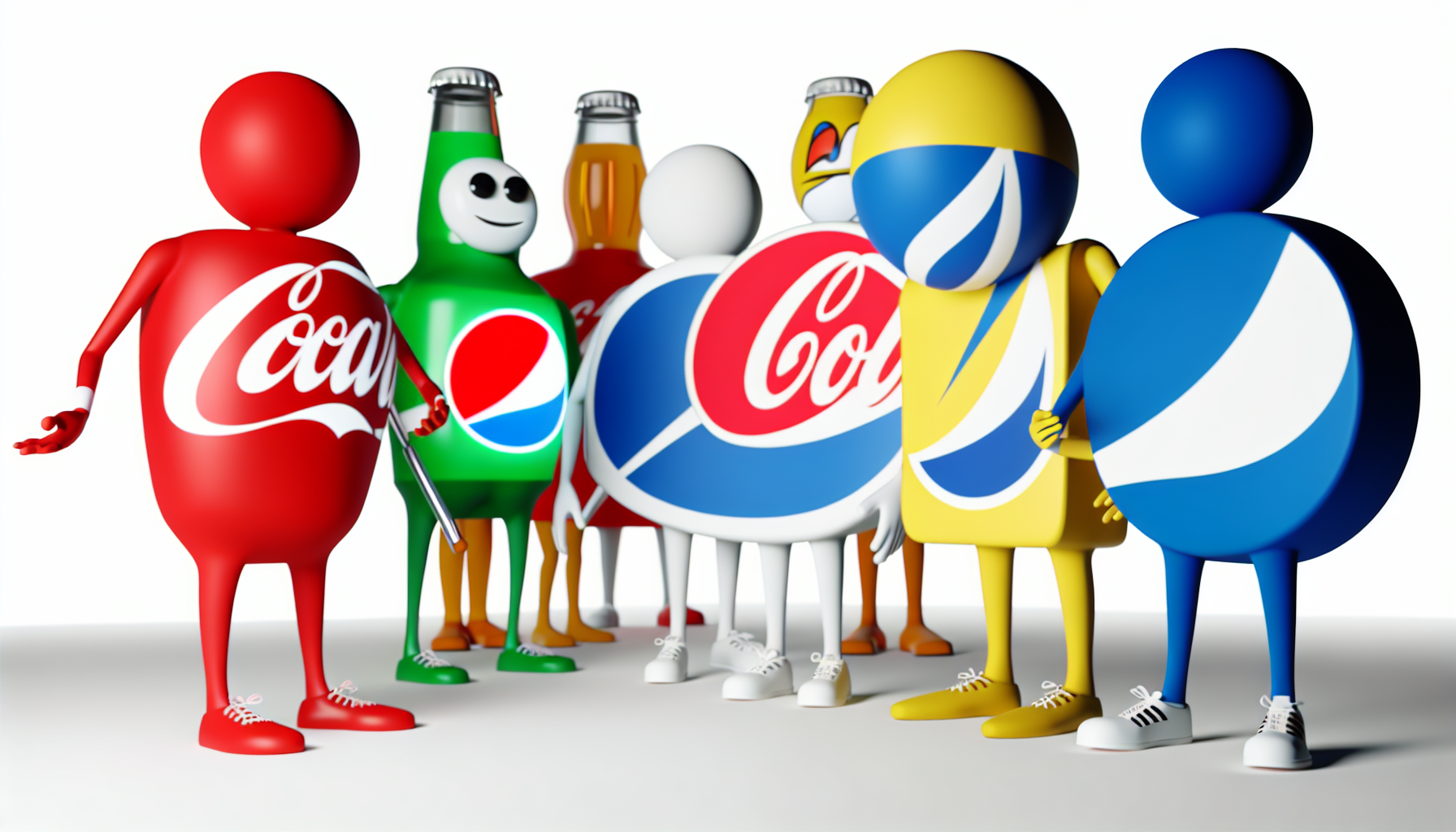
Beyond amenities and luxuries, what truly makes a hotel stand out is its ability to become more human. What does this mean? It is a brand’s ability to become more than a logo or a building; it is the ability to touch hearts and create authentic connections with those who choose us to be part of their travel stories.
In this article, we will explore the “Humanisation of Brands” in the hospitality world. We will discover how this trend has evolved over time and how it can be applied in our day-to-day work, even within an industry undergoing constant transformation.
A Journey Through Time: The Evolution of Humanisation
The humanisation of brands is not a new concept. From the earliest hotels to today’s global brands, there has always been a desire to create unique and memorable guest experiences. In the early days of hospitality, this meant personalised attention, knowing guests by name and understanding their preferences. But the true revolution came with the digital era. Global interconnectedness gave us the ability to reach our guests in ways never before imagined. Social media, travel blogs and online reviews became powerful tools for humanisation. Today, thanks to instant and continuous communication, we are closer to our guests than ever before.Humanisation in the Digital Era: More Than a Hashtag
In the age of social media and shared experiences, the humanisation of brands goes far beyond a simple hashtag. It means authenticity in every interaction. It means responding to guest comments, whether positive or negative. It means showing the human side of the brand, from employee stories to corporate social responsibility initiatives. Humanisation also involves personalisation. Brands must know their guests and understand their wishes and needs. This is not simply about knowing whether they prefer firm or soft pillows, but about understanding their travel dreams and helping make them a reality. The digital era offers us countless ways to humanise our brands. From personalised welcome videos to virtual hotel tours, it all comes down to making guests feel special and valued.The Power of Stories
Stories are the currency of humanisation. Telling authentic, meaningful stories is what connects us with our guests. What stories can we tell? From the hotel’s origins and its commitment to sustainability, to employee stories and the moving moments guests have experienced at our property. Stories are what make us human. We are moved, we laugh and we cry through stories. In the world of hospitality, stories are the bridge that connects brands and guests.[adrotate banner="3"]
The Guest Experience at the Centre
The humanisation of brands is about placing the guest experience at the centre of everything. It means that every decision we make, from room design to the restaurant menu, is made with the guest experience in mind. The guest experience is not merely a set of amenities; it is a narrative. Every moment, from check-in to check-out, is a page in the story of their stay. And as hosts, we have the power to write those pages in an unforgettable way.Humanisation and Guest Loyalty
The humanisation of brands has a powerful ally: guest loyalty. When guests feel a genuine connection with a brand, when they feel seen and valued, they are more willing to return time and again. Guest loyalty is not earned through reward points; it is earned through experiences that leave a lasting emotional imprint. In a world where competition is fierce and guests have access to countless options, guest loyalty is a treasure. And humanisation is the key to unlocking it.Humanisation in Action: Inspiring Examples
Allow me to share a few inspiring examples of hospitality brands that have embraced humanisation:- Virtual Concierge: Some hotels use chatbots to provide guests with instant assistance, saving time while creating a personalised experience.
- Corporate Social Responsibility Programmes: Many hotels take part in CSR initiatives, from recycling programmes to supporting local communities, demonstrating their commitment to important causes.
- Employee Stories: Sharing employee stories on social media humanises the brand and reveals the people behind exceptional service.
The Future of Humanisation in Hospitality
The future of humanisation in hospitality is exciting. Virtual reality, artificial intelligence and data analytics provide us with increasingly powerful tools for creating personalised and unforgettable experiences. Most importantly, no matter how advanced technology becomes, we must never lose sight of the essence of humanisation: a genuine connection with our guests. Ultimately, it is human relationships that define hospitality, and that will never go out of style.Conclusion
The humanisation of brands in the hospitality world is a path we can all take. Whether you manage a small boutique hotel or an international chain, the power to touch hearts is within everyone’s reach. By humanising your brand, you are building something that goes beyond the hotel’s walls; you are building lasting relationships and indelible memories.FULL ARTICLE ACCESS
The insight is just beyond this page
Unlock the complete analysis instantly for 1,00 EUR. One-time payment, no renewal.
Already have access?Sign in