
When You Oversell Your Skills—and It Backfires

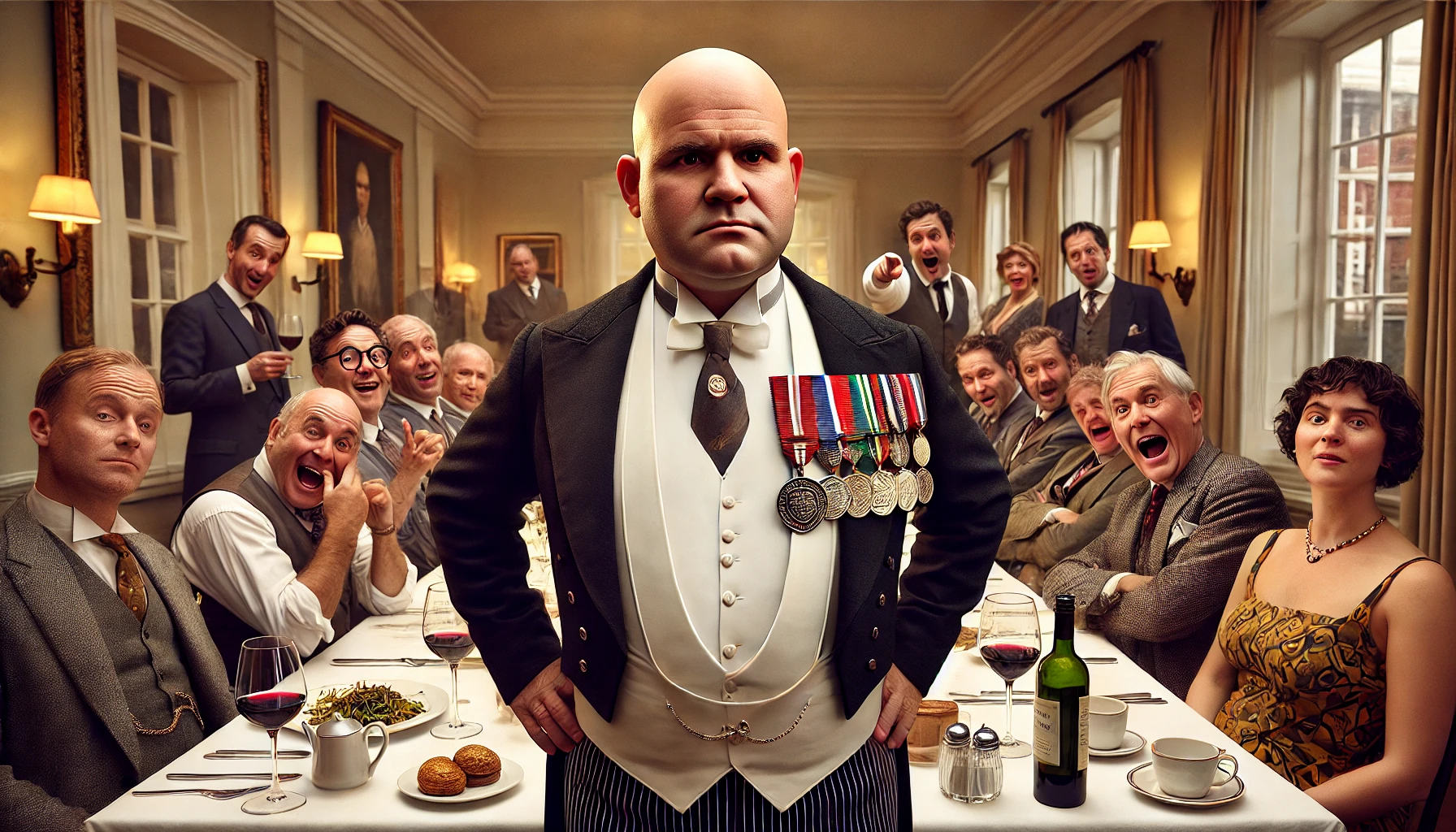
Hospitality is an industry that, while deeply human, is not immune to the pressures of performance, competitiveness and visibility. In an environment where visible leadership, metrics and immediate impact seem to determine the difference between moving forward and falling behind, many people succumb to the temptation to stand out at all costs. Sometimes, even to present themselves as more than they truly are.
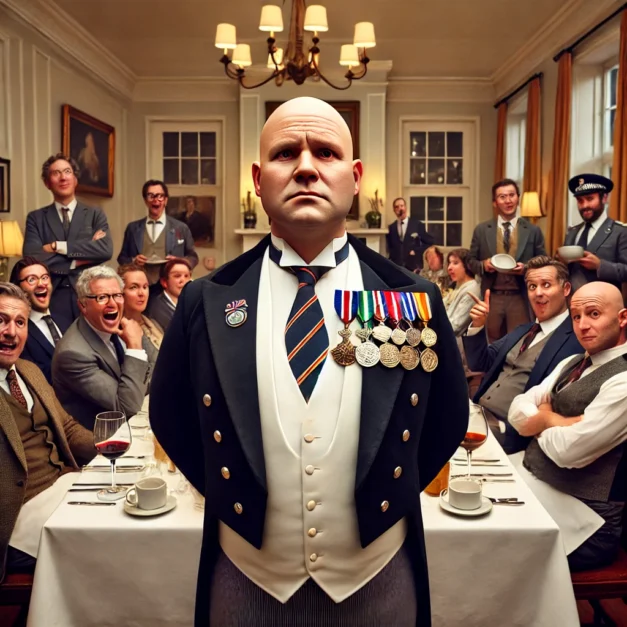 I have seen firsthand how the need to “appear better” than one truly is can lead to consequences more dangerous than rejection: it can place you in the wrong role, at the wrong time, carrying an unsustainable expectation. In hospitality, where everything is amplified through direct contact with teams, guests and owners, this mistake can be costly not only professionally, but personally.
We are living through an interesting moment. After decades of celebrating empathetic, vulnerable and authentic leaders, we seem to be entering an era in which excessive personal branding and the “I am the best” narrative are being rewarded with promotions, magazine covers and likes. But that does not make it right. Much less sustainable.
I have learned that true authority is not imposed; it is built. It does not come from how loudly we proclaim how good we are, but from the consistency between what we promise and what we deliver. Because, sooner or later, the truth comes to light. And in hospitality, where authenticity is one of the most valued assets, that moment can make an irreversible difference.
Convincing others that we are better than we truly are is not a growth strategy: it is a trap. Here are some of the most common consequences of falling into that pattern:
Loss of trust and credibility: The moment teams discover that someone has overstated their experience or skills, a rupture occurs. And in hospitality, where trust is the foundation of effective leadership, regaining that credibility may be impossible.
Constant stress: Maintaining a façade is exhausting. It takes energy to uphold the image, hide weaknesses and avoid situations in which real limitations may be exposed. This creates a state of anxiety that affects not only the person experiencing it, but also the team around them.
 360° Hotel Intelligence
Your hotel already generates the data. HotelGEX turns it into decisions.
Connect guests, operations, Revenue, F&B, Groups & Events and Management with AI that understands the real context of your hotel.
✓ Without replacing your PMS✓ Without endless implementation projects✓ AI applied where it creates valueA barrier to learning: If we already present ourselves as experts, how can we acknowledge that we need to learn? Pretending to have mastery prevents us from asking for help, receiving mentorship and continuing to grow. In an industry that changes as quickly as ours, that is a sentence to obsolescence.
Damaged relationships: Authentic connections are built on vulnerability. When it becomes clear that a person is not who they claimed to be, distrust takes hold not only professionally, but personally as well.
Short-term success, long-term failure: Even if overstating your profile earns you that promotion or recognition, sooner or later you will face a test of your real capabilities. And the blow can be devastating.
Not all is lost if, at some point, we fell into the trap of overselling ourselves. What matters is knowing how to get back to solid ground with humility and strategy:
Identify the fear behind the exaggeration.
What were you afraid would happen if you were honest? Losing the role? Appearing mediocre? Understanding this is key to ensuring you do not repeat it.
Reframe your personal narrative.
Rather than pretending to have mastery, we can say: “The more I learn about this, the more I realise how much I still have to improve.” That is not weakness. It is emotional intelligence.
Acknowledge our limitations honestly.
Sometimes saying, “I was wrong to overestimate that skill,” can be more powerful than continuing to hide it. I have seen how that honesty strengthens a team’s respect.
Shift the focus towards learning.
Redirect others’ attention towards our willingness to grow: “I am developing in this area to strengthen my capabilities.” That humility builds alliances.
Recognise the talent of others.
When we share credit, recognise our colleagues and show a willingness to learn from them, we demonstrate genuine confidence. In hospitality, leaders who shine alone do not last long.
Working side by side with teams across different generations and cultures, I have seen that authenticity is the most sustainable value. Pretending runs out; learning does not. And in hospitality, where every day is different and every guest brings a new test, it is better to have a solid foundation of real skills than to build a house of smoke on inflated promises.
It is better to move forward from the truth than to rise on a lie.
Trust is built through consistency, not grandstanding.
Well-managed vulnerability inspires admiration, not weakness.
This is not about hiding your achievements or being so modest that you make yourself invisible. It is about being honestly ambitious: clearly showing what you know, while humbly acknowledging what you aspire to learn.
In hospitality, we need real leaders, not LinkedIn personas. People who embrace their journey, work every day to improve and inspire through their authenticity. And if, at some point, you overstated your capabilities, let your next step be to build from the truth. Because genuine respect only comes when we show ourselves as we are… and demonstrate that we want to become even better.
This article ends here. The archive does not.
Lead Hospitality brings together 985 English articles published since 2008: years of experiences, decisions and lessons you can keep exploring.