
When AI Becomes Smoke and Mirrors: The Risk of AI-Washing in Hospitality

AI-washing does more than confuse the market—it damages hospitality credibility. When hotels promise transformative AI-powered guest experiences but deliver basic automation dressed up as innovation, they risk losing what matters most: guest trust. This article explores how inflated AI claims weaken hotel value propositions and the practices that can restore authenticity.
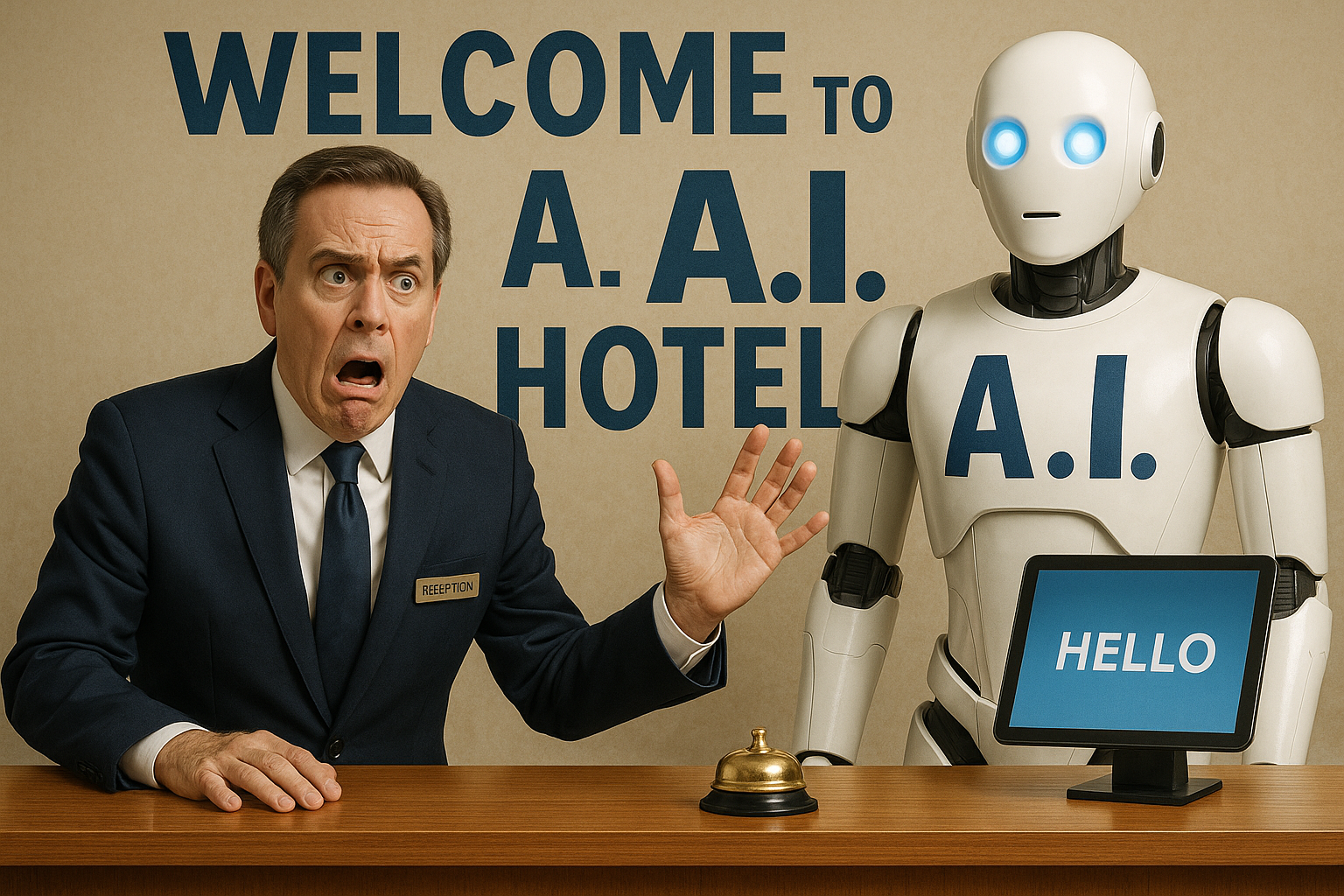

We are living through an exciting moment in hospitality. New tools are entering our day-to-day operations, and every day brings opportunities to improve processes, optimise revenue or enrich the guest experience. And among all these tools, artificial intelligence (AI) holds a prominent place. But, as happens with anything that generates enthusiasm and media attention, exaggerations soon follow. And with them comes what is now known as AI-washing.
I have seen this phenomenon up close: inflated proposals, grandiose narratives, promises of total automation, and strategic decisions sold as “artificial intelligence” that are, at their core, spreadsheets with a polished filter. AI-washing does not merely create confusion: it undermines hotels’ value proposition. Because when we promise transformative technology and deliver the same old thing wrapped in buzzwords, we betray guest trust and erode brand credibility.
Keep reading without waiting for the next reset
Your free access includes 6 reads per week. Subscribe to continue now.