
Porter’s Five Forces in Hotel Competitive Strategy



The hotel sector is one of the most dynamic and competitive markets in the world. With the arrival of digital platforms, the expansion of alternative models such as Airbnb, and rising guest expectations, the rules of the game have changed. For a hotel to not only survive, but thrive, it is essential to analyse its market position through a strategic lens.
This article continues the discussion in How to Choose the Best Strategic Marketing Framework, and this time we will take a closer look at one of the most influential models in competitive planning: Porter’s Five Forces, developed by Michael Porter in 1979. This approach makes it possible to assess the key factors that determine a hotel’s profitability, helping identify strategic risks and opportunities. Throughout this article, we will explore how to apply this model in the hospitality industry, which tactics can be used to optimise competitive advantage, and how to mitigate threats that could compromise business success.
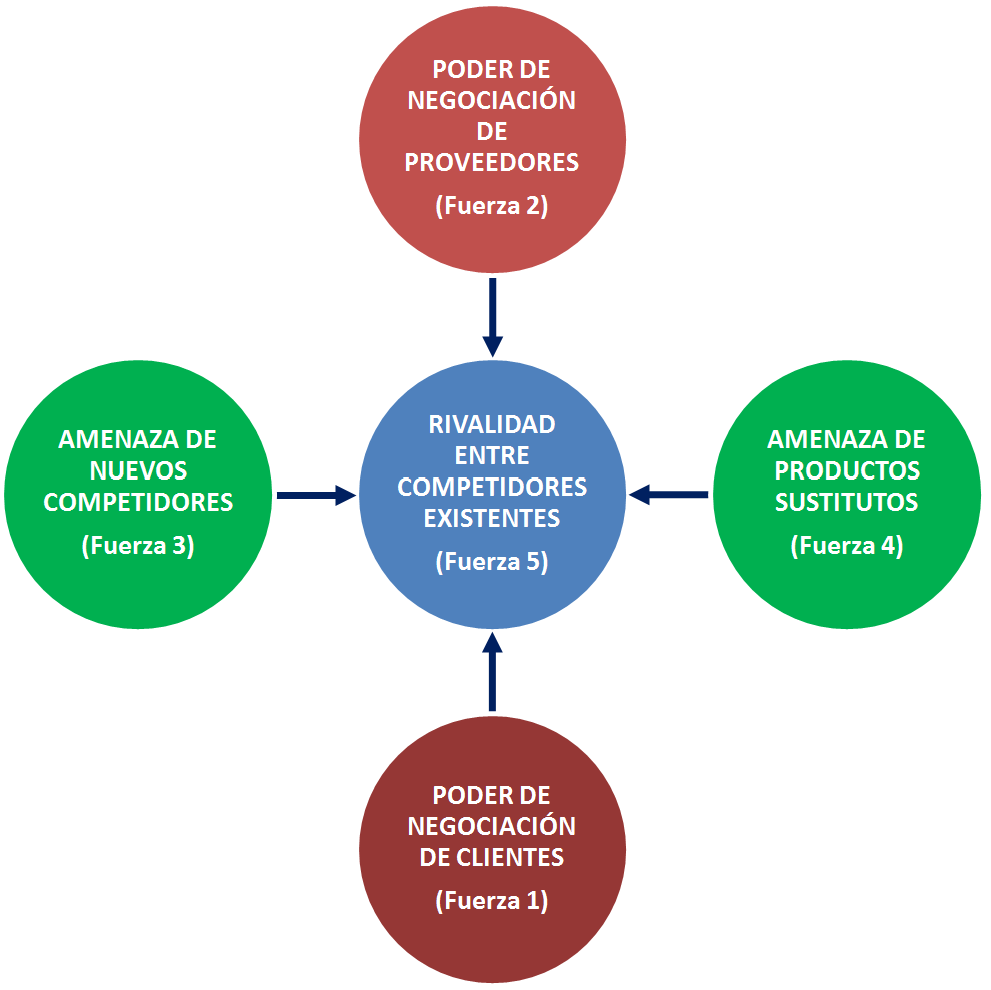
1. Supplier Power: Who Controls the Hotel Supply Chain?
In the hospitality industry, suppliers play a key role in day-to-day operations. From essential supplies such as food, linens, and cleaning products, to technology services such as property management systems (PMS) and booking engines, a hotel needs multiple strategic partners.
Factors That Increase Supplier Power
-
- Reliance on few suppliers: If a hotel works with only one company for key supplies, that supplier has greater bargaining power over prices and terms.
- Lack of market alternatives: If there are few suppliers specialising in hospitality technology or distribution, the hotel has fewer options for switching.
- High switching costs: Changing suppliers may involve additional costs, implementation time, and operational risks.
Strategies to Reduce Supplier Power
-
- Supplier diversification: Seek multiple options to avoid dependence on a single supplier.
Negotiating long-term contracts: Secure favourable prices and terms in exchange for volume or exclusivity.
Developing local suppliers: Foster agreements with local producers and businesses to reduce costs and strengthen the hotel’s identity.
- Supplier diversification: Seek multiple options to avoid dependence on a single supplier.
A luxury hotel that relies on an exclusive supplier of premium mattresses can reduce its risk by exploring local alternatives of comparable quality.
2. Buyer Power: Who Has the Final Say When Booking?
Guests have more power than ever. The ease of comparing prices, reading reviews on platforms such as TripAdvisor or Booking, and the growing range of accommodation options allow them to make informed decisions and demand better terms.
Factors That Increase Buyer Power
-
- Unlimited booking options: Competition from other hotels and platforms such as Airbnb gives consumers greater power.
- Price sensitivity: Many guests choose their stay based on the best available price, forcing hotels to adjust rates dynamically.
- Importance of online reviews: A single negative comment can affect a hotel’s reputation and occupancy.
Strategies to Mitigate Buyer Power
-
- Loyalty and personalisation: Loyalty programmes such as Marriott Bonvoy and Hilton Honors offer exclusive benefits, reducing price sensitivity.
- Service differentiation: A boutique hotel offering unique experiences can reduce reliance on price as the deciding factor.
- Upselling and cross-selling strategies: Offer additional services such as spa treatments, themed dinners, or exclusive transfers to increase value per guest.
An all-inclusive resort in the Caribbean uses its loyalty club to retain guests, offering them discounts and upgrades on future bookings.
3. Threat of Substitutes: Is the Hotel Truly Irreplaceable?
One of the greatest challenges currently facing hotels is the threat of substitute products. Options such as Airbnb, vacation rentals, co-living, and experiential stays have grown in popularity, competing directly with the hotel sector.
Factors That Increase the Threat of Substitutes
-
- Lower prices on alternative platforms: Many travellers choose Airbnb for its lower cost and the experience of “living like a local”.
- Greater flexibility and personalisation: Vacation rentals allow guests to cook, work remotely, and enjoy complete privacy.
- Evolving travel habits: The trend towards remote work has fuelled the growth of longer stays in flexible accommodation.
Strategies to Reduce the Threat of Substitutes
-
- A superior experience: A hotel can differentiate itself by offering exclusive services such as personalised concierge services, chef-led restaurants, or immersive activities.
- Marketing centred on safety and trust: Many guests prefer the assurance of cleanliness and professional service offered by a hotel over a vacation rental.
- Packages and special rates for long stays: Compete with Airbnb by offering discounts on extended stays.
An urban hotel in New York offers digital check-in, coworking spaces, and a shared kitchen, adapting to the needs of digital nomads who might otherwise choose an Airbnb.
4. Rivalry Among Competitors: The Battle for Market Share
Rivalry in the hotel sector is intense, particularly in saturated tourist destinations such as Paris, Bangkok, or Mexico City. Direct competition affects not only prices, but also differentiation and brand positioning.
Factors That Increase Competitive Rivalry
-
- High concentration of hotels within the same area.
- Price wars driven by booking platforms.
- Difficulty differentiating service and experience.
Lead Hospitality LibrarySee the booksBooks to run a hotel with judgement
Written from the general manager’s chair: technology, guest experience, leadership and management.
 The Intelligent HotelData, Artificial Intelligence and a New Way to Run Hotels
 Directing HotelsWhat Nobody Tells You Before You Sit in the General Manager’s Chair
 The Guest JourneyDesigning Customer Experience Across the Entire Hotel Journey
 Leadership and High-Performance Team ManagementPeople, Experiences and Results in Today\\\'s HospitalityDigital edition · Personal licence · Free or discounted for subscribersSee all books →
Strategies to Maintain a Competitive Advantage
-
- Market segmentation: Adults-only, pet-friendly, eco-friendly, or wellness hotels can appeal to specific niches.
- Technological innovation: Use artificial intelligence and CRM to personalise the guest experience.
- Strategic partnerships: A luxury hotel can partner with airlines, travel agencies, and fine-dining restaurants.
A boutique hotel in Bali creates exclusive dining experiences with local chefs to differentiate itself from conventional resorts.
5. Threat of New Entrants: Is It Easy to Open a New Hotel?
The opening of new hotels can quickly change market dynamics. If barriers to entry are low, established hotels must strengthen their value proposition to remain competitive.
Factors That Encourage New Competitors to Enter
-
- Fewer regulations in certain tourist destinations.
- Access to financing for hotel developments.
- Digital platforms that facilitate distribution and guest acquisition.
Strategies to Minimise the Threat of New Entrants
-
- Strengthen brand identity: A hotel with a strong story and reputation is harder to replace.
- Expand services: Introduce new concepts such as themed hotels or immersive experiences.
- Economies of scale: Hotel chains can reduce costs by purchasing supplies in large volumes.
An independent hotel in Madrid launches an exclusive club for frequent guests, ensuring retention across its guest base.
The Porter’s Five Forces model provides a clear framework for analysing a hotel’s competitive position within the market, but its true value lies in how it is applied to business strategy. A hotel that understands which forces are having the greatest impact on its profitability can design specific actions to strengthen its competitive advantage and improve its returns. It is not only about understanding the environment, but also about anticipating change and responding strategically before the competition does.
The hospitality industry is exceptionally dynamic. Competition comes not only from other hotels, but also from alternative accommodation, new business models, and changing traveller behaviour. Adapting means continually assessing which factors are influencing occupancy, pricing, and brand perception. If a hotel operates in a highly competitive market, it must focus on differentiation; if it operates in an environment with high supplier dependence, it must strengthen those relationships or diversify its supply chain.
There is no one-size-fits-all strategy for every hotel. A boutique hotel in a tourist city will need a different approach from an all-inclusive resort or a business hotel chain. While some must focus on building guest loyalty to minimise their reliance on third parties, others must concentrate on innovating their offering to reduce the threat of substitutes. The key is to identify which forces are most relevant and act accordingly.
Beyond the analysis, what truly distinguishes a successful hotel is its ability to execute strategies effectively. Competitive analysis without concrete action will not generate meaningful change. Optimising rates through revenue management, creating exclusive guest experiences, negotiating intelligently with suppliers, and implementing personalisation technologies are examples of how to turn a diagnosis into a tangible advantage.
Ultimately, success in hospitality depends not only on location or service quality, but on the ability to adapt and reinvent. Hotels that can clearly identify their opportunities and threats can make strategic decisions that allow them to remain relevant and profitable in an increasingly demanding market. The question is not whether the Five Forces affect your hotel, but how you are using this model to make better decisions and secure the future of your business.
This article ends here. The archive does not.
Lead Hospitality brings together 1200 English articles published since 2018: years of experiences, decisions and lessons you can keep exploring.
What would you like to explore next?
Choose a direction and keep reading around what you want to solve, learn or challenge.