
How to Reduce COVID-19’s Impact on Hotel Sales Management

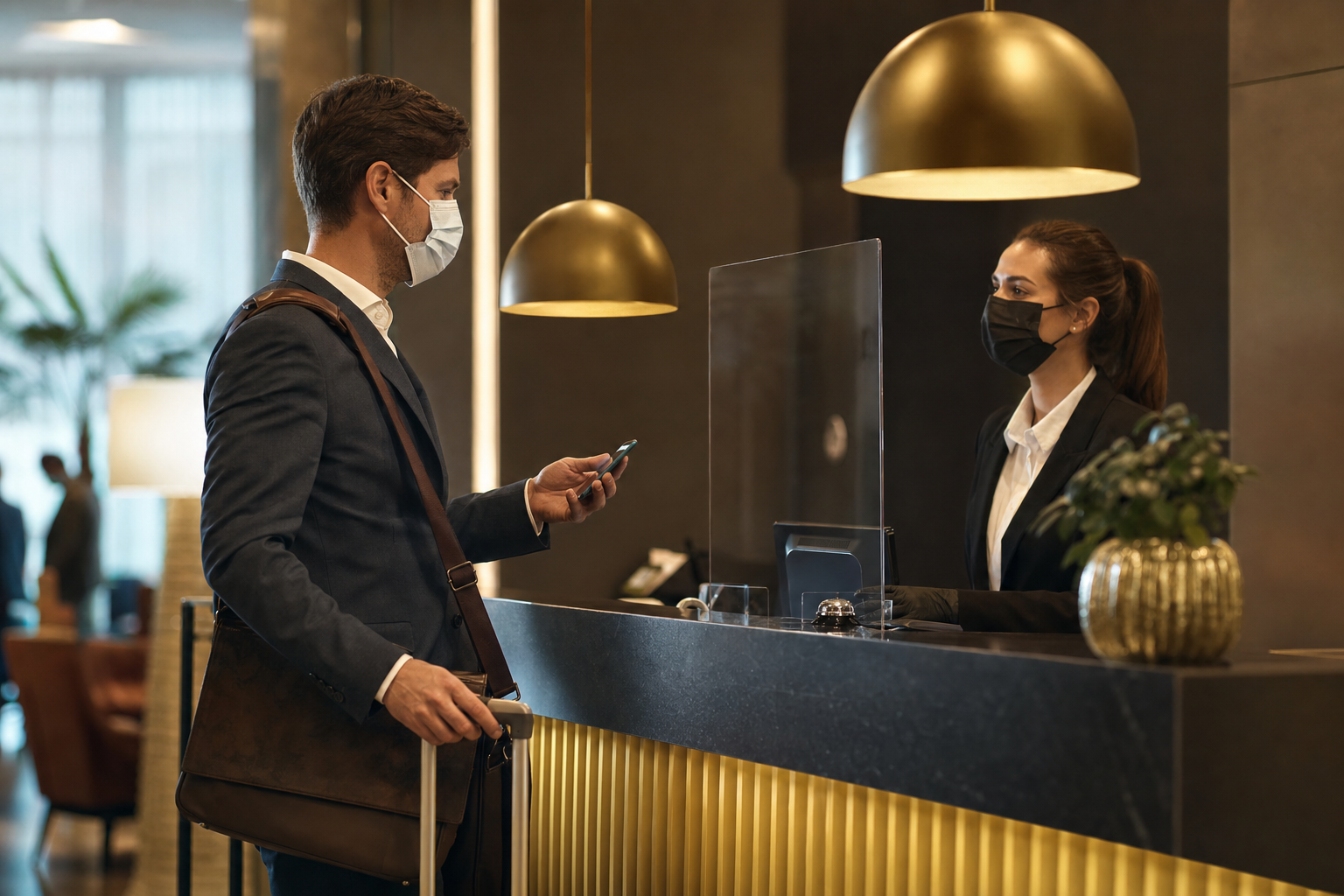

The world and business in the hotel industry may seem out of control right now, but there are definite steps you can take to make things easier.
The COVID years will undoubtedly be talked about for a long time. Yes, years. We cannot simply emerge immediately from a recession and a travel industry that is almost in ruins.
However, there is no need to be discouraged. The road ahead may be long, but it can lead to a successful outcome as long as you follow a few basic rules, are willing to be agile in your approach and are smart about the strategies you adopt.

Let us look at what some of these strategies that hotel operators should consider look like.
1. Stay safe. Be kind. Be prepared.
We cannot stress enough the importance of health and hygiene at the present time. It is a very important factor in building trust with your team and hotel guests. Listen to the guidelines issued by local health authorities and implement them in all seriousness. This includes wearing masks , encouraging social distancing , limiting contact with guests, enhancing your cleaning standards , and so on.
It is also important to manage your operations and revenue management effectively, bearing in mind that changes can happen suddenly, such as lockdowns.
2. Price competitively
Maintaining rates to protect brand image is an old-school way of thinking. In today’s climate, especially during these COVID times, it is important to price competitively. Know what your competitors are offering and adjust your rates so they are competitive. Also, bear in mind that pricing competitively does not mean always lowering your rates. It is more important to demonstrate value in the rates you set.
3. Add value
Nothing sells better than when people feel they are getting a good deal. Instead of using price discounts, add facilities and services from your property to make the offer more appealing . For example, you could provide complimentary breakfast, free Wi-Fi or tickets to a local attraction .
4. Stay visible
Books to run a hotel with judgement
Written from the general manager’s chair: technology, guest experience, leadership and management.
 The Intelligent HotelData, Artificial Intelligence and a New Way to Run Hotels
 Directing HotelsWhat Nobody Tells You Before You Sit in the General Manager’s Chair
 Leadership and High-Performance Team ManagementPeople, Experiences and Results in Today\\\'s Hospitality
 The Guest JourneyDesigning Customer Experience Across the Entire Hotel Journey
OTAs are always a good source of traffic. Put your profile in order and take advantage of promotions to improve your visibility across these channels. While doing so, do not lose sight of your direct sales strategy : optimise your website and booking engine to increase booking volume. Include flash-sale websites that offer great deals in your marketing mix, but do not rely on them alone to fill rooms at rock-bottom rates.
5. Offer flexibility
Whether or not to remove non-refundable rates in these uncertain times is a major question. Probably no one has the right answer. Overall, the industry is moving towards offering flexibility through a guest-friendly cancellation policy. Non-refundable rates with deeper discounts could take the form of a postponement in terms of cancellation policy or a gift voucher . It is important to clearly communicate your cancellation policy across all your channels.
6. Keep an eye on the data
Your revenue management systems and distribution systems are your greatest asset because of the wealth of data they provide. They include information such as room types , rates and availability to help you generate revenue even—and especially—at times of greater uncertainty. And the higher the level of uncertainty, the greater the need for data to make smarter decisions: every euro matters, and you must make sure it is spent wisely.
7. Communicate
Make sure your guests and team are always aware of the modifications and changes you are making. Reassure them about your high health and hygiene standards. Talk about your latest offers and available services across every channel you have: website, social media, OTA profile space, local association websites, etc.
Now, more than ever, is the time to be creative with your marketing, revenue management and distribution. Be precise, responsive to the market, and refine your strategy to gain a competitive edge in the market.
This article ends here. The archive does not.
Lead Hospitality brings together 1200 English articles published since 2018: years of experiences, decisions and lessons you can keep exploring.
What would you like to explore next?
Choose a direction and keep reading around what you want to solve, learn or challenge.