
Social Media Marketing ROI (Part Four): Building a Hotel Brand

Albert BarraMarch 3, 2023 · 3 min read


Brand building for a hotel is essential. A brand is an asset that influences every marketing action, improves conversions and, ultimately, increases ROI. When you have a brand, everything is easier.
A key factor for a brand is relevance, and relevance is something that the Internet, as we know it today—with a participatory, collaborative and viral Web—makes highly achievable.
However, brand building is also the easy fallback for mediocre marketers when they fail in the tangible aspects of marketing, achieve low ROI, or even negative ROI. How often have we heard “it’s for brand building,” when what it really means is “we spent money on advertising for nothing.”
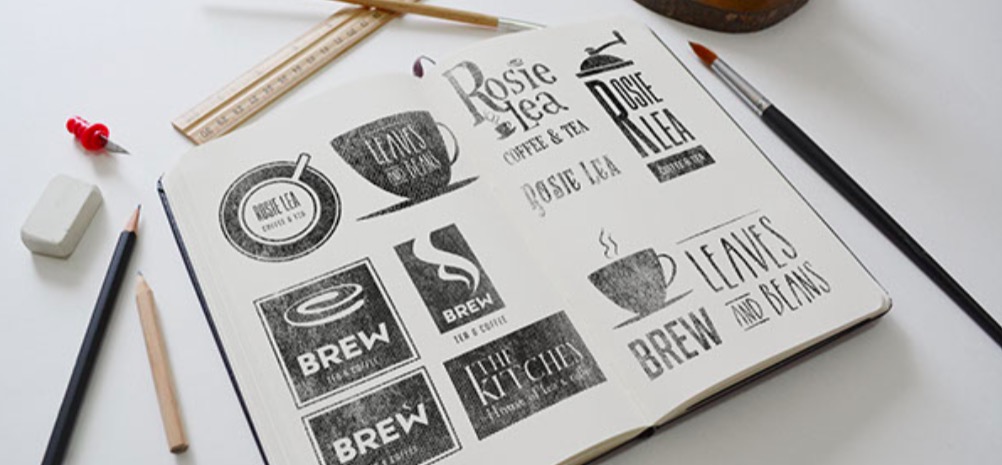 A brand is not an image or a logo, but rather the relevance it achieves in the mind of the potential guest around certain attributes. In other words, our ability to build a brand will stem from our ability to ensure that potential guests associate our property with a particular type of establishment, or our destination with specific experiences.
Achieving this will not be easy, and once again it is easy to fall into Spam 2.0 if the necessary strategic planning has not been carried out beforehand in any brand-building process.
Social Media even allows our guests to become ambassadors for our brand and advocates for our services. I am referring, of course, to guests whose social value we have been able to establish through our active participation in the conversation.
In my view, developing viral applications that circulate on Social Networks such as Facebook, where users recommend them to one another, generates brand awareness only to a limited extent. In other words, the benefits of developing such applications are probably more geared towards capturing database registrations than towards brand building.
However, as I said earlier, active participation in Social Networks, transparent conversation, optimisation to ensure our content circulates, and complete openness so that anyone who wishes can engage in conversation with us are what will ultimately build our brand, in the broadest sense of the word.
With all this in mind, our brand-building process through conversation and participation may lead us to use different tools:
A brand is not an image or a logo, but rather the relevance it achieves in the mind of the potential guest around certain attributes. In other words, our ability to build a brand will stem from our ability to ensure that potential guests associate our property with a particular type of establishment, or our destination with specific experiences.
Achieving this will not be easy, and once again it is easy to fall into Spam 2.0 if the necessary strategic planning has not been carried out beforehand in any brand-building process.
Social Media even allows our guests to become ambassadors for our brand and advocates for our services. I am referring, of course, to guests whose social value we have been able to establish through our active participation in the conversation.
In my view, developing viral applications that circulate on Social Networks such as Facebook, where users recommend them to one another, generates brand awareness only to a limited extent. In other words, the benefits of developing such applications are probably more geared towards capturing database registrations than towards brand building.
However, as I said earlier, active participation in Social Networks, transparent conversation, optimisation to ensure our content circulates, and complete openness so that anyone who wishes can engage in conversation with us are what will ultimately build our brand, in the broadest sense of the word.
With all this in mind, our brand-building process through conversation and participation may lead us to use different tools:
A brand is not an image or a logo, but rather the relevance it achieves in the mind of the potential guest around certain attributes. In other words, our ability to build a brand will stem from our ability to ensure that potential guests associate our property with a particular type of establishment, or our destination with specific experiences.
Achieving this will not be easy, and once again it is easy to fall into Spam 2.0 if the necessary strategic planning has not been carried out beforehand in any brand-building process.
Social Media even allows our guests to become ambassadors for our brand and advocates for our services. I am referring, of course, to guests whose social value we have been able to establish through our active participation in the conversation.
In my view, developing viral applications that circulate on Social Networks such as Facebook, where users recommend them to one another, generates brand awareness only to a limited extent. In other words, the benefits of developing such applications are probably more geared towards capturing database registrations than towards brand building.
However, as I said earlier, active participation in Social Networks, transparent conversation, optimisation to ensure our content circulates, and complete openness so that anyone who wishes can engage in conversation with us are what will ultimately build our brand, in the broadest sense of the word.
With all this in mind, our brand-building process through conversation and participation may lead us to use different tools:
- A corporate blog.
- Profiles on Twitter, Facebook or Instagram...
- etc.