
Strategic Thinking in Hospitality: The Key to Long-Term Hotel Success

Albert BarraDecember 17, 2024 · 5 min read
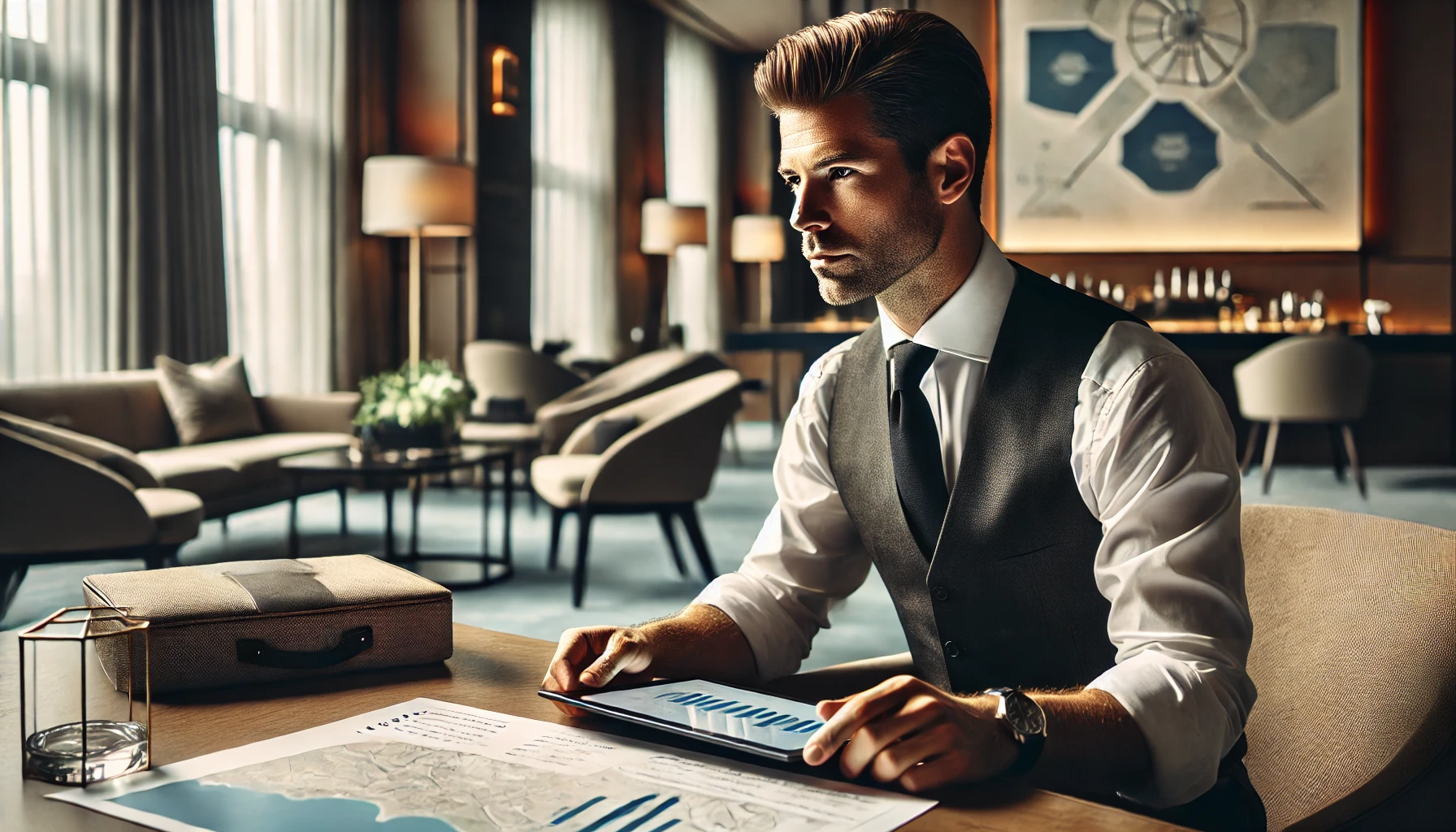

In the hotel industry, where competition is fierce and guest expectations are constantly changing, strategic thinking has become the most valuable resource. Managing day-to-day operations is not enough; it is essential to look beyond, anticipate trends and make decisions that generate a long-term impact. When a hotel lacks strategy, it is navigating without direction, and sooner or later, that lack of vision translates into losses, both financial and reputational.
Every decision, however small it may seem, forms part of a strategic roadmap. Whether it is investing in technology to enhance the guest experience, selecting staff or implementing sustainable policies, everything requires clarity of purpose. As I often say: "Strategy is not a document; it is a way of thinking that guides every action and decision in a business.”
And this is where the real question arises: are we developing strategists within our teams? Because if we want a strong, competitive hotel, we need leaders at every level who think strategically and who not only execute, but also build the future of the business.
What is strategic thinking and why does it matter?
Strategic thinking is the ability to analyse the environment, understand business dynamics and make decisions aligned with long-term goals. It is neither improvisation nor an immediate reaction, but rather a capability that makes it possible to anticipate and lead. Harvard Business Review notes that 67% of strategies fail not because they are wrong, but because they are not properly understood or executed. This highlights the need to develop genuine strategic thinking, not only among senior management, but across the entire team. In hospitality, strategic thinking is essential to ensuring a property's long-term success. Hotels that stand out and excel in a highly competitive market are those with leaders and teams capable of analysing their environment, understanding guests' needs and preferences, and making decisions aligned with business objectives. Identifying opportunities before the competition is key to remaining relevant and attracting an increasingly discerning audience. Adapting to market changes—whether in technology, consumer trends or traveller preferences—is essential to staying competitive and attracting a diverse guest base. Managing resources intelligently is another important aspect of strategic thinking in hospitality. Maximising the return on every investment—whether in marketing, staff training, facility improvements or service offerings—is crucial to maintaining business profitability and ensuring sustainable growth. Innovating the offering is also a fundamental part of strategic thinking in hospitality. Creating value for guests through unique, personalised experiences, differentiating from competitors and staying up to date with the latest trends and technologies are key to attracting an increasingly discerning and sophisticated audience. In short, it is a fundamental capability that must be developed and fostered at every level of the organisation. Only those hotels able to anticipate, adapt, manage resources intelligently and innovate their offering will be able to survive and thrive in an increasingly competitive and changing market.Keys to developing strategic thinking in your hotel
- Build a clear vision
All strategic thinking begins with a long-term vision. What do you want your hotel to become over the next 5 or 10 years? The vision must be concrete, inspiring and achievable.
- Define your unique value proposition: what sets you apart from other hotels?
- Set measurable, specific goals to guide decision-making.
- Align the team: a shared vision multiplies the chances of success.
- Analyse and understand the environment
A good strategist observes, listens and analyses. You cannot make sound decisions without understanding the market and guest expectations.
- Conduct research into hospitality trends. For example, according to a Skift report, 73% of travellers value personalised experiences.
- Assess the competition: what are they doing well, and where can you outperform them?
- Monitor changes in customer behaviour: today, priorities are sustainability, technology and local experiences.
- Embrace creativity and innovation
Strategic thinking is not rigid; it needs creativity. The best strategies emerge from fresh ideas and innovative solutions.
- Encourage strategic brainstorming sessions with your team. The best ideas often come from those in direct contact with guests.
- Create a culture of experimentation: test new services or formats on a small scale before fully implementing them.
- Integrate technology that facilitates data analysis and decision-making. Tools such as CRM and PMS can provide valuable insights for strategic planning.
- Put the guest at the centre of everything
Strategy must revolve around the guest. Every decision should answer one question: how does this improve the guest experience?
- Personalise the experience: use data to anticipate needs and delight the guest.
- Listen to your guests: satisfaction surveys and online reviews are invaluable for refining your strategy.
- Adopt sustainable practices: according to Booking.com, 76% of travellers want to stay in hotels that embrace sustainability.
- Communicate the strategy and bring it to life
A strategy only works if everyone understands and applies it. Communication is key to turning plans into action.
- Hold regular meetings to share progress and adjust course.
- Use key performance indicators (KPIs) to measure the impact of every decision.
- Train your team: every employee should understand how their work contributes to strategic objectives.