
When a World Cup Win Becomes a Country’s Best Tourism Marketing Campaign

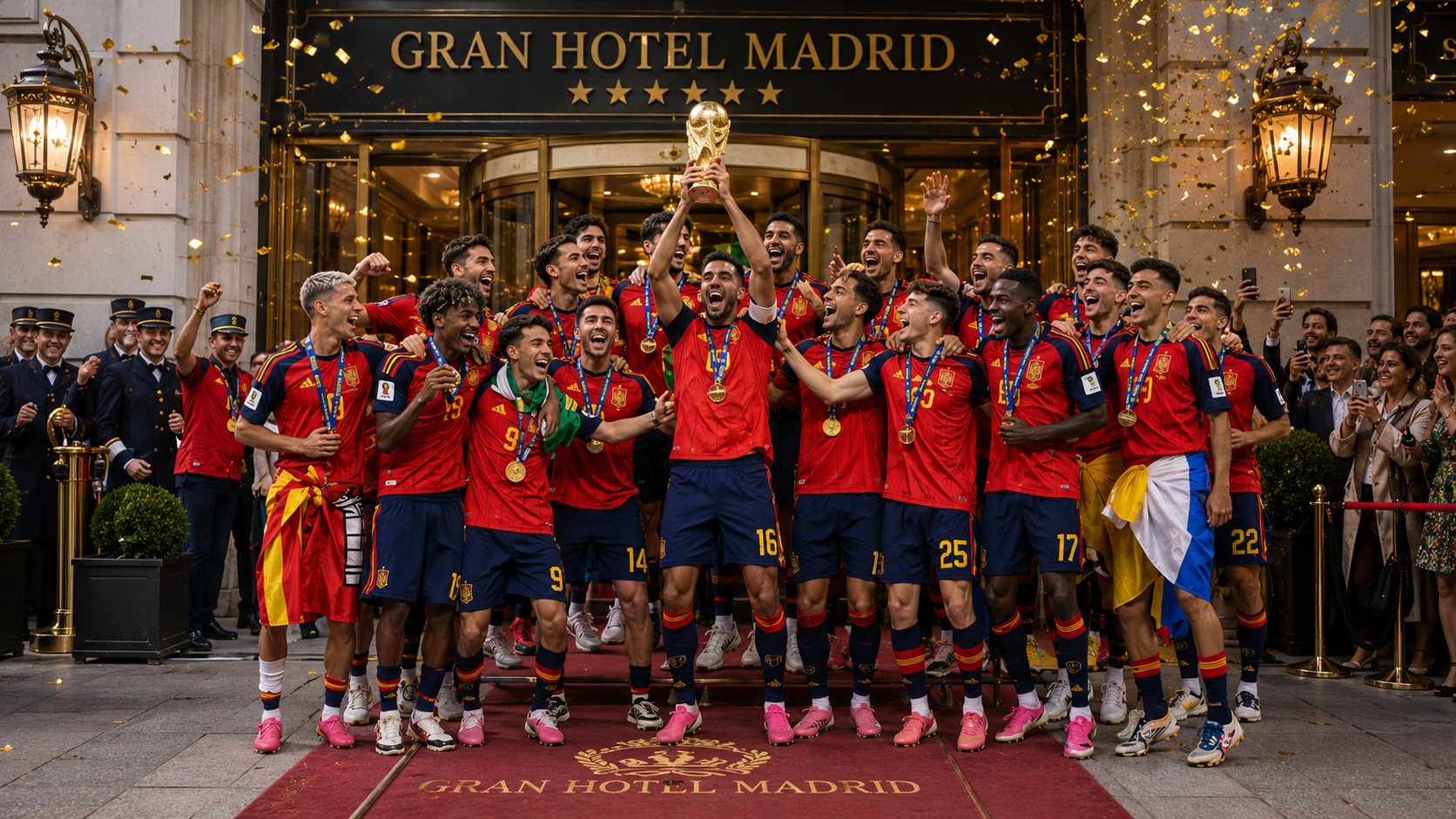

There are sporting victories that are celebrated for a few days before becoming part of the statistics. And there are others that transcend sport itself to become an economic, social and cultural phenomenon. Spain’s recent World Cup victory clearly belongs to the latter category.
From a Hospitality perspective, it would be a mistake to view this event solely through the lens of emotion or national pride. Behind every image broadcast on millions of screens around the world lies enormous value for the Spain brand, an intangible asset whose influence reaches directly into our sector.
We often talk about tourism promotion campaigns, destination marketing investment or internationalisation strategies. Yet few initiatives achieve visibility comparable to that generated by a major sporting success broadcast on a global scale. For weeks, Spain ceases to be simply a country and becomes a global conversation.
What is particularly interesting is that tourism rarely responds to a single stimulus. People do not book a trip merely because a national team has won a championship. But they do begin to see a destination differently when it is associated with positive emotions, excellence, talent, modernity and organisational capability.
This is precisely where the real opportunity lies for the entire hotel industry: to harness that emotional momentum to strengthen the destination’s positioning and turn it into sustainable demand over the coming years.
The real match starts now: turning a sporting victory into a tourism strategy
As hoteliers, we tend to seek competitive advantages within our own properties: refurbishing rooms, improving service, optimising Revenue Management or investing in marketing. All of this is essential. However, there are times when the country itself gives us a promotional asset that money cannot buy.

Spain’s World Cup victory is one of those moments.
Major sporting events can reshape the international perception of a destination. They generate not only visibility, but also trust. And in tourism, trust is one of the key drivers of purchasing decisions.
When a country demonstrates organisational capability, conveys security, projects a modern image and succeeds in moving the entire world, it is building a reputation that ultimately influences the decisions of millions of travellers.
This happened, to some extent, after the 2010 World Cup. It was difficult to quantify exactly how many tourists chose Spain solely because of that victory. However, it did coincide with a stronger international image for the country and increased appeal as a leisure and city-break destination.
Today, the context is different.
Spain welcomes more visitors than ever, but it also faces new challenges: reducing seasonality, spreading demand across the country, sustainability, market diversification and increasing average visitor spend.
In this scenario, football can become much more than a sport.
It can become an exceptional tourism product.
- Sports tourism: incorporating visits to stadiums, museums, training sessions, historic matches and routes linked to Spanish football. This is a particularly appealing product for long-haul travellers and fans who are not simply looking to attend a match, but to understand the culture surrounding football in Spain.
- Gastronomic experiences: capitalising on the fact that Spanish cuisine remains one of the country’s greatest differentiators. Sports visitors also want to discover markets, restaurants, local products and a way of understanding life around the table.
- Urban tourism: cities such as Madrid, Barcelona, Seville, Bilbao and Valencia can perfectly complement their cultural heritage with world-class sporting experiences, extending length of stay and diversifying visitor spending.
- International events: the profile generated by sporting success can be used to attract conferences, tournaments, training camps, brand presentations and sport-related corporate events.
- Experiential products: the aim should not be merely to sell a ticket or a visit, but to create complete memories that combine sport, culture, gastronomy, accommodation and hospitality.
All of this requires planning.
Because the enthusiasm generated by a championship has an expiry date.
Emotions last for weeks.
Strategies last for years.
And that is precisely where an extraordinary opportunity emerges.
Spain will be one of the hosts of the 2030 World Cup.
Books to run a hotel with judgement
Written from the general manager’s chair: technology, guest experience, leadership and management.
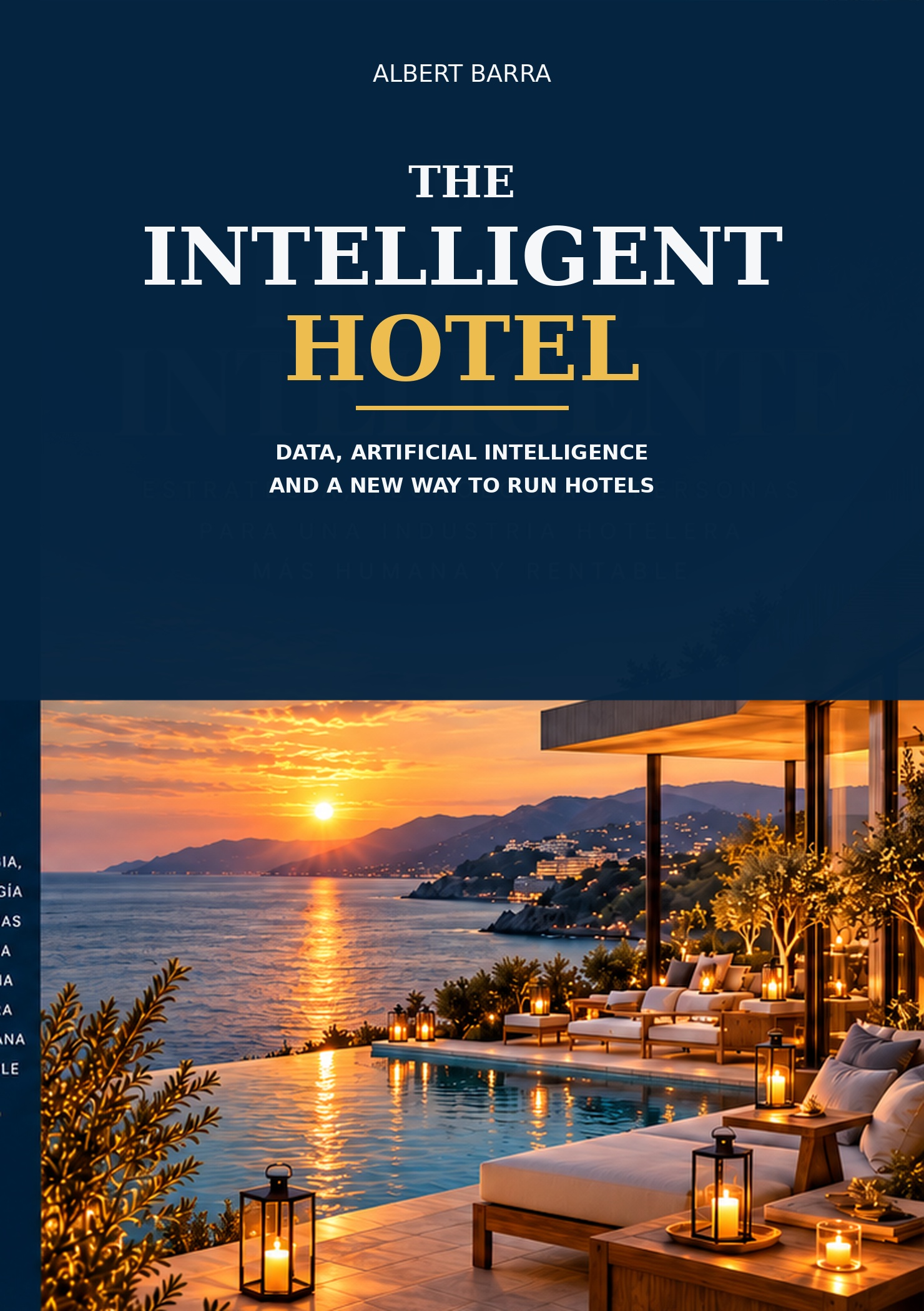 The Intelligent HotelData, Artificial Intelligence and a New Way to Run Hotels
 Directing HotelsWhat Nobody Tells You Before You Sit in the General Manager’s Chair
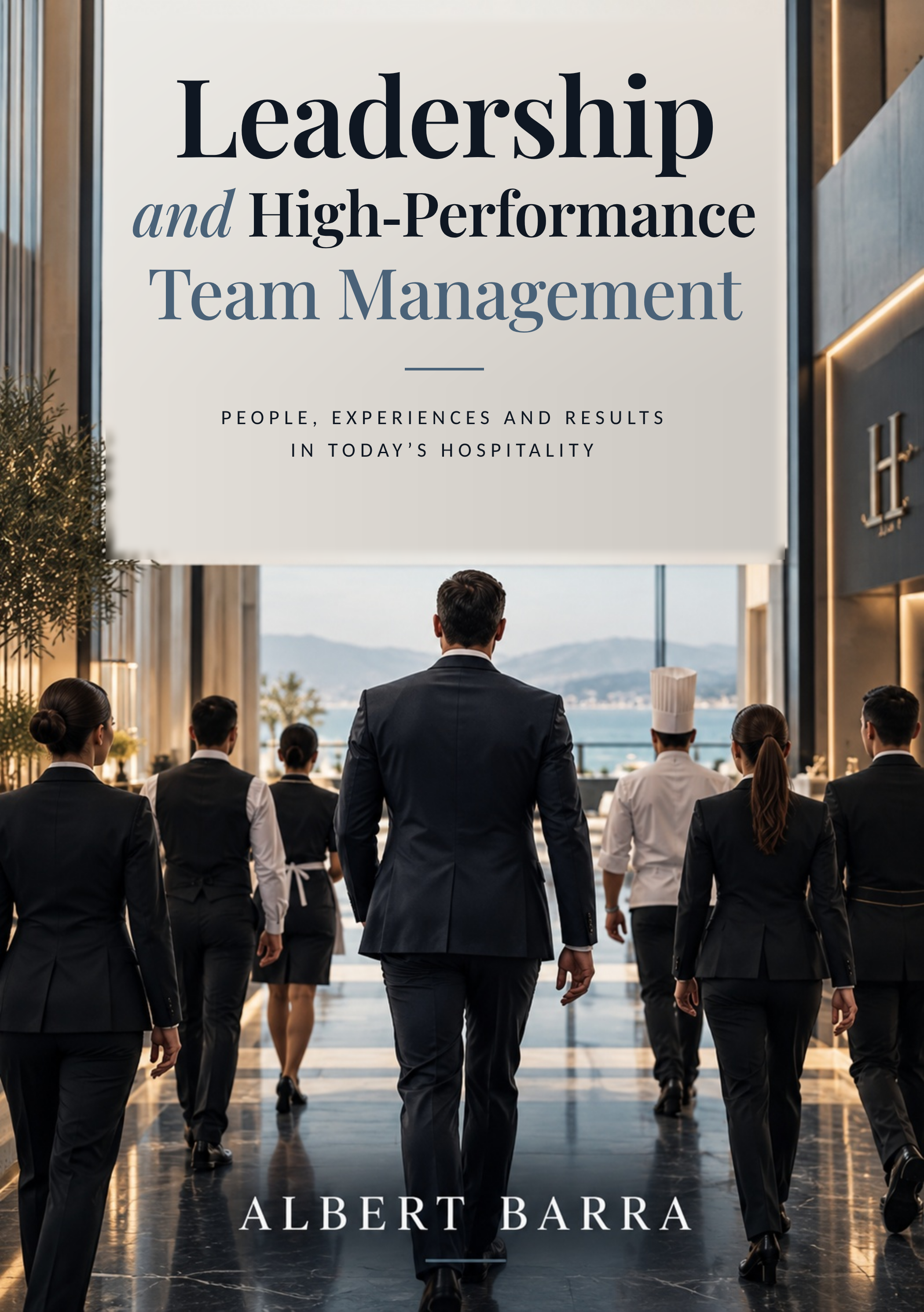 Leadership and High-Performance Team ManagementPeople, Experiences and Results in Today\\\'s Hospitality
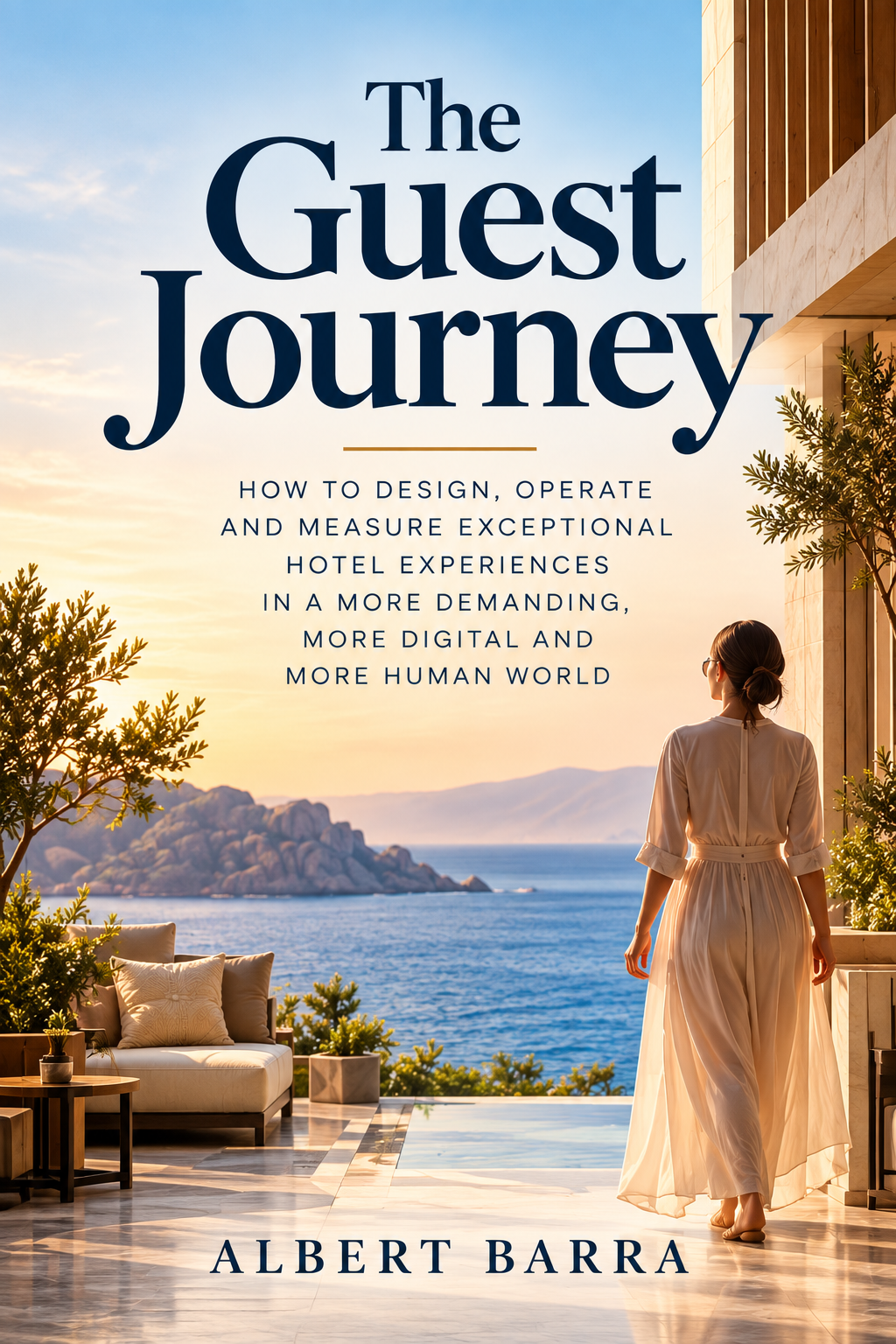 The Guest JourneyDesigning Customer Experience Across the Entire Hotel Journey
This is not simply about staging matches.
It is about using the coming years to build a coherent tourism narrative linking sport, culture, gastronomy, hospitality and service quality.
From a Hospitality perspective, we should view this period as a genuine strategic preparation phase.
- Adapting the hotel offering to international sports tourism: by developing specific packages, partnerships with sports organisations, themed visits and exclusive experiences that can extend average length of stay and increase total revenue per guest.
- Strengthening long-haul markets: particularly the United States, Latin America and Asia, where Spanish football has enormous drawing power and where average spend per visitor can be especially attractive.
- Increasing public-private collaboration: bringing together public authorities, destinations, hotels, airlines, tour operators, restaurants and leisure businesses around a shared national narrative.
- Reinforcing service quality: because the best advertising campaign loses all its value if the visitor experience does not meet the expectations it creates.
- Committing to differentiation: avoiding turning sports tourism into a mass-market product and designing offerings with greater added value, local identity and scope for personalisation.
A country’s image has a direct impact on its tourism competitiveness. However, that image cannot be sustained by profile alone. It requires strategic destination management, coordination among the different stakeholders and a value proposition capable of enduring once the headlines fade.
As with any hotel, a good reputation attracts the first booking.
Excellence is what makes the guest return.
And perhaps that is the greatest lesson this World Cup leaves us.
Winning is not enough.
Now we must live up to the image the world once again has of Spain.
Because championships are celebrated for a few weeks, but the country brand can continue generating value for decades if we manage it intelligently.
My first piece of advice is not to wait until 2030 to act. Every hotel should start analysing now what relationship it can build with sports tourism, even if it is not located in a host city. Sport moves people, companions, sponsors, media, suppliers and businesses, and all of them need accommodation, food and beverage, and experiences.
My second piece of advice is to avoid the temptation to limit the opportunity to a one-off promotion. Lowering prices or launching an improvised package may generate some bookings, but it is unlikely to build positioning. The opportunity lies in designing a coherent, profitable proposition aligned with the property’s identity.
My third piece of advice is to remember that every international guest becomes a small ambassador for Spain when they return home. They may talk about our stadiums, our gastronomy or our cities, but they will also talk about how they were welcomed, how we solved their problems and how we made them feel. And that match—the match of hospitality—is one we play every day.
This article ends here. The archive does not.
Lead Hospitality brings together 1200 English articles published since 2018: years of experiences, decisions and lessons you can keep exploring.
What would you like to explore next?
Choose a direction and keep reading around what you want to solve, learn or challenge.