
5 min read•Albert Barra
The Virtuous Cycle of Leadership, Respect, Solidarity and Teamwork in Hotels

Albert BarraFebruary 22, 2025 · 5 min read
Hospitality excellence goes beyond a warm smile and an immaculate room. It is built on essential, often invisible foundations: leadership, respect, mutual support and teamwork. Together, these values strengthen hotel service quality, employee engagement and workplace culture—creating the spark that turns a stay into a memorable guest experience.
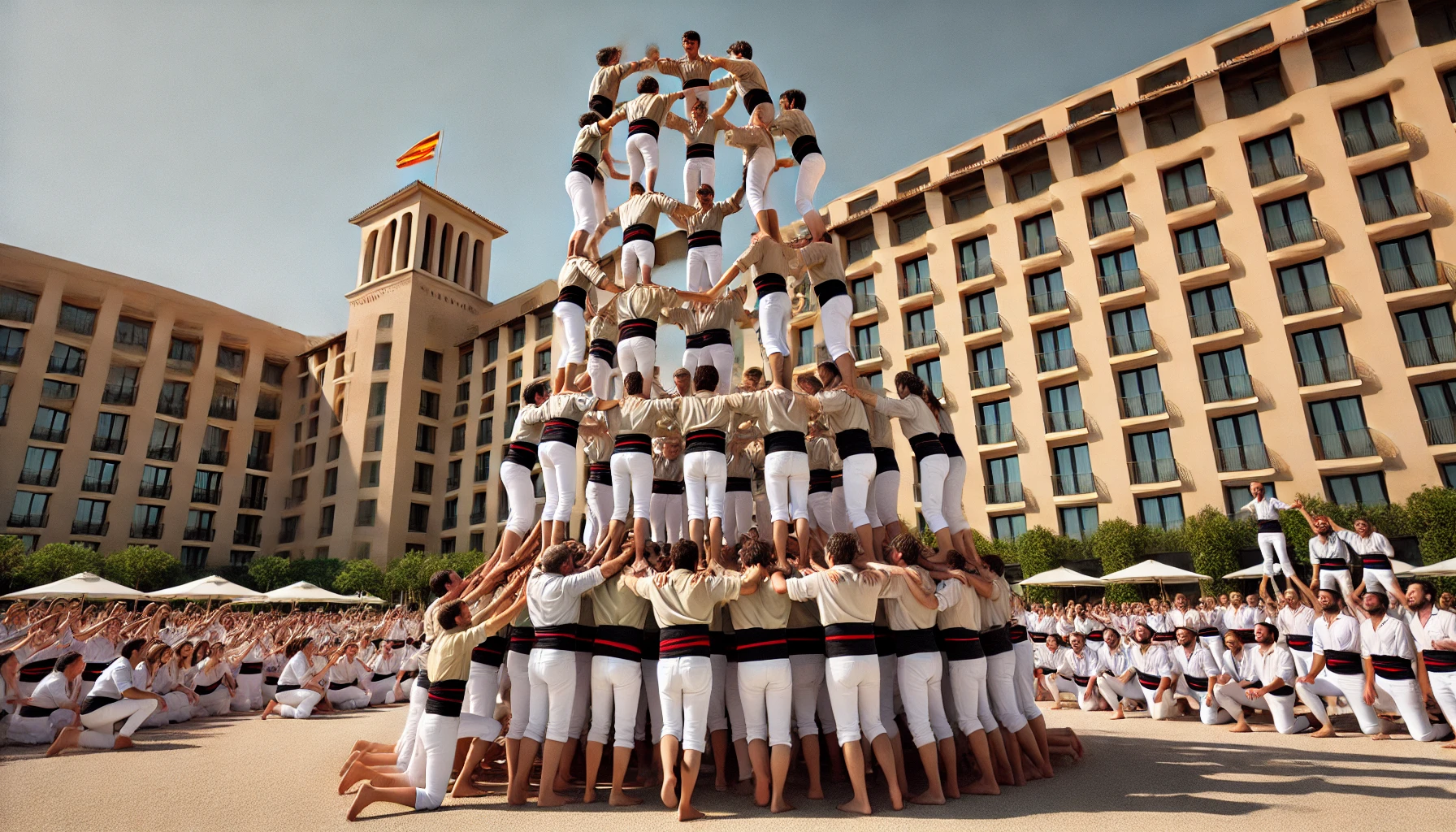

In hospitality, service excellence goes far beyond a warm smile and an immaculate room. It is a delicate art built on invisible yet powerful pillars: Authority, Respect, Solidarity, and Teamwork. Without these elements, the guest experience may appear excellent on the surface, yet lack depth, authenticity—that “spark” that turns a simple stay into a memorable experience. Today, I would like to explore how these interconnected principles create a virtuous circle that drives not only the quality of our service, but also hotel organisational culture.
As hotel managers, our role is not only to ensure operational efficiency, but also to inspire and build an engaged team. Properly understood, Authority is not an act of imposition, but firm guidance that sets the course and establishes clear standards. This is where Respect and Solidarity come into play; both act as the glue that holds the team together and ensures that every member feels valued and part of something greater. It is no coincidence that, in environments where these values are upheld and fostered, job satisfaction is higher and, consequently, both individual and collective performance improve.
Teamwork is another essential component that is often underestimated, yet in the day-to-day life of a hotel, it is what enables us to overcome difficult moments. From peak seasons to unexpected emergencies, a sense of unity and support across the team is fundamental. When colleagues feel they can rely on one another, stress is managed better, and this is reflected in the way guests are treated. A united team is not invincible, but it is more resilient; and in hospitality, resilience is as valuable as a good Booking rating.
Authority: Guiding without imposing
Authority in the hotel environment does not mean imposing a vision, but knowing how to guide with firmness and clarity. For the team to follow you and uphold the quality standard you seek, it needs to feel that there is a clear structure and purpose. Authority exercised well is like a lighthouse: it illuminates the way without imposing the direction.- Establishing clear and fair standards: Standards are not merely rules; they are the foundation for order and mutual respect within the team. A detailed and transparent operations manual is essential.
- Honest, consistent communication: Keeping everyone informed creates an atmosphere of trust. According to studies, well-informed teams can increase their productivity by up to 25% (source: Harvard Business Review).
- Leading by example as quiet authority: More than telling people what to do, it means showing them how to do it. This creates an environment of respect in which the team recognises authority as guidance, not imposition.
Respect: The foundation of every strong working relationship
Respect is the essence of healthy working relationships. Without it, authority becomes authoritarianism, and teamwork becomes a façade with no substance.- Listening actively: Respect begins with listening. Ensuring that every team member feels heard and understood reinforces their confidence and commitment.
- Recognising and valuing effort: A timely “thank you” is worth more than any financial incentive. Studies show that sincere recognition can increase performance by as much as 14% (source: Gallup).
- Avoiding favouritism: Fairness is key to ensuring that respect flows in both directions. A leader who treats everyone fairly builds a solid foundation of mutual respect.
Solidarity: Working together towards a shared goal
In hospitality, Solidarity is indispensable. When all team members are aligned, it shows in every guest interaction.- Mutual support in times of pressure: Peak seasons and special events put every team to the test. Being willing to support any area, from the front desk to housekeeping, makes all the difference.
- A “hands-on” culture: A culture in which everyone feels responsible and willing to contribute in any area strengthens morale and brings the team together. In a Deloitte study, 73% of engaged employees attributed their satisfaction to a culture of support and solidarity.
- Celebrating successes together: Achievements should be shared. Celebrating successes, both large and small, reinforces a sense of belonging.
Teamwork: The spark of working together
Finally, Teamwork is the essence that transforms a group of people into a cohesive team. In hospitality, where service and guest care are so demanding, a strong sense of teamwork makes all the difference.- Building trust among team members: Mutual trust reduces conflict and improves collaboration. It does not arise out of nowhere; it must be cultivated through shared experiences and honesty.
- Creating opportunities for informal interaction: Gatherings outside the formal work environment, such as team meetings or recreational activities, foster teamwork and strengthen relationships. A team that knows one another well can anticipate each other’s needs.
- Respecting diversity: Each team member brings a unique perspective. Valuing and respecting these differences creates an environment in which everyone can contribute and learn.
The virtuous circle in action
This virtuous circle of Authority, Respect, Solidarity, and Teamwork not only creates a more pleasant working environment, but is also directly reflected in guest satisfaction. The guest experience is the end result of a hotel’s working culture. When employees are engaged and feel supported, they are far more likely to convey that sense of wellbeing to guests. Some tangible benefits include:- Reduced staff turnover: Employees who feel valued and part of a strong team are less likely to leave the organisation, saving on training and talent acquisition costs.
- Improved service quality: A positive, supportive working environment encourages high-quality service. A Cornell University study shows that hotels with highly cohesive teams achieve 18% greater guest satisfaction.
- Greater operational efficiency: A team that works harmoniously and with clear objectives is more efficient, reducing response times and improving the guest experience at every touchpoint.
PREMIUM ARTICLE
Continue reading this Premium analysis
Unlock this article individually or choose a subscription that includes Premium access.
Already have access?Sign in
