
EFQM in Hospitality: A Framework for Sustainable Success

Albert BarraAugust 31, 2023 · 8 min read


For years, I have worked with owners and management teams in the hospitality sector, helping them achieve levels of excellence that transform not only their operations but also their brand presence. One of the most versatile tools we have used is the EFQM Excellence Model. This European framework provides a proven structure for continuous improvement and sustainable performance. In this article, we will break down the relevance of the EFQM model in the hotel industry, examining its advantages and disadvantages, and comparing it with other management models.
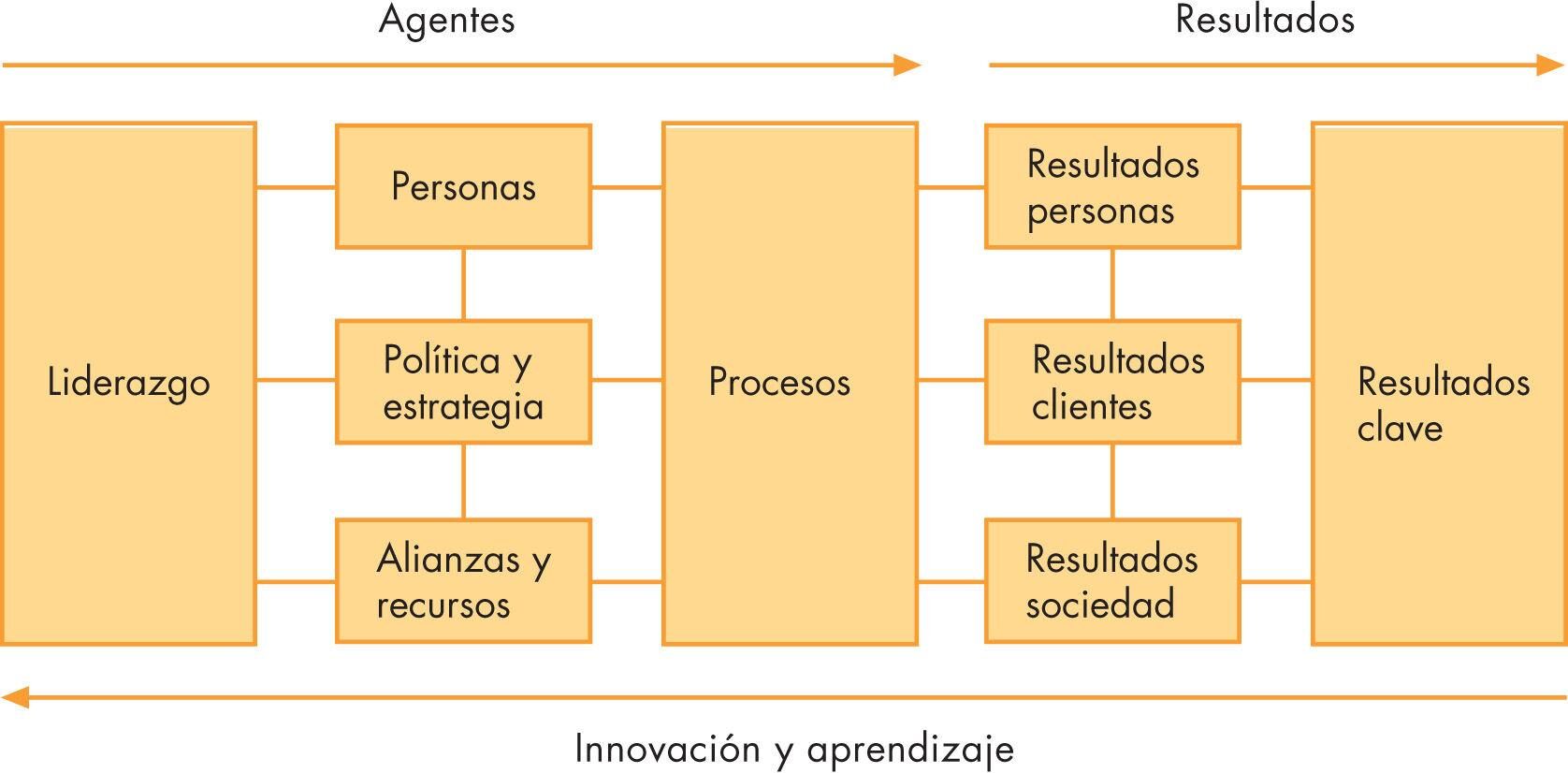 It is important to note that these criteria are interdependent and reinforce one another, creating a cycle of continuous improvement. This means that the results achieved in each area affect the other criteria, generating a process of ongoing learning and improvement within the organisation.
The EFQM framework provides a robust structure and clear guidance so that organisations can assess and improve their performance across all relevant areas. By implementing this framework, organisations can identify areas for improvement, set clear and measurable objectives, and take effective action to achieve excellence in their overall performance.
In short, EFQM is an integrated quality management framework that provides organisations with the tools they need to achieve excellence across every aspect of their operations, through the implementation of interdependent criteria and a cycle of continuous improvement.
It is important to note that these criteria are interdependent and reinforce one another, creating a cycle of continuous improvement. This means that the results achieved in each area affect the other criteria, generating a process of ongoing learning and improvement within the organisation.
The EFQM framework provides a robust structure and clear guidance so that organisations can assess and improve their performance across all relevant areas. By implementing this framework, organisations can identify areas for improvement, set clear and measurable objectives, and take effective action to achieve excellence in their overall performance.
In short, EFQM is an integrated quality management framework that provides organisations with the tools they need to achieve excellence across every aspect of their operations, through the implementation of interdependent criteria and a cycle of continuous improvement.
What Is EFQM?
The EFQM framework, or European Foundation for Quality Management, is a comprehensive and structured methodology designed to support organisations on their journey towards excellence. This framework is based on nine criteria divided into two main categories: “Enablers” and “Results”. The “Enabler” criteria refer to the internal aspects of the organisation—those that drive and strengthen it from within. These criteria are: leadership, policy and strategy, people, partnerships and resources, processes and products, and key results. These elements are fundamental to establishing a solid foundation and ensuring that the organisation is well prepared to achieve excellence, especially in Hospitality. On the other hand, the “Results” criteria focus on the organisation’s outcomes and achievements in terms of performance and the satisfaction of customers and stakeholders. These criteria are: customer results, people results, impact on society, and key results.
It is important to note that these criteria are interdependent and reinforce one another, creating a cycle of continuous improvement. This means that the results achieved in each area affect the other criteria, generating a process of ongoing learning and improvement within the organisation.
The EFQM framework provides a robust structure and clear guidance so that organisations can assess and improve their performance across all relevant areas. By implementing this framework, organisations can identify areas for improvement, set clear and measurable objectives, and take effective action to achieve excellence in their overall performance.
In short, EFQM is an integrated quality management framework that provides organisations with the tools they need to achieve excellence across every aspect of their operations, through the implementation of interdependent criteria and a cycle of continuous improvement.
The Relevance of the EFQM Model in the Hotel Industry
The hotel sector is one of the most competitive and fast-changing industries, making a systematic and robust approach to quality management essential. Fluctuating guest demands, changing expectations, and constant pressure to innovate make EFQM an ideal framework for:- Maintaining service quality
- Improving operational efficiency
- Fostering leadership and organisational culture
Advantages of the EFQM Model
There are numerous reasons to adopt the EFQM model in a hotel business. Let me outline some of the most significant: One of the most notable advantages of the EFQM model is its holistic approach, as it is not limited to a single area of the hotel business but encompasses the entire organisation. This enables a complete and thorough analysis of every aspect that influences a hotel’s success, from people management to guest service quality. The EFQM model’s holistic approach means that all aspects of the hotel business are considered, from organisational structure and corporate culture to internal processes, resource management, and supplier relationships. This makes it possible to identify areas for improvement comprehensively and develop strategies that address every aspect relevant to the hotel’s success. Another important advantage of the EFQM model is its focus on continuous improvement. The model’s design allows for ongoing adaptation to changes in the environment and guest needs, ensuring that the hotel business is always pursuing excellence and innovation. Through the implementation of a continuous improvement cycle, the aim is to identify opportunities for improvement, establish clear and measurable objectives, implement corrective and preventive actions, and assess the results achieved. In this way, the hotel business can remain in constant evolution and adapt to environmental changes and guests’ changing needs. In addition, the EFQM model offers sufficient flexibility to adapt to the uniqueness of each hotel or hotel chain. This means that each business can tailor and adapt the model to its own specific needs and characteristics, making it a highly versatile tool that can be adapted to different business contexts and realities. Each hotel or hotel chain has its own specific characteristics and needs, and the EFQM model can be adapted to these particularities. This means that each business can tailor the model to suit its needs, focusing on the aspects it considers most relevant and adjusting the tools and techniques used. This adaptability makes the EFQM model a versatile tool that can be applied in different business contexts and realities. In short, the EFQM model offers hotel businesses a holistic approach that encompasses every aspect of the organisation, promotes continuous improvement, and adapts to the specific needs and characteristics of each hotel or hotel chain. This versatility and adaptability make the EFQM model a valuable and effective tool for achieving excellence and innovation in the hotel sector.Disadvantages of the EFQM Model
Like everything in life, the EFQM model is not without its challenges, and hospitality is no exception.- Complexity: Its comprehensive nature can make initial implementation challenging.
- Cost: It can represent a significant investment of time and resources.
- Resistance to Change: Like any structural change, it may encounter resistance within the organisation.
- Lack of understanding: As it is a complex model, there may be difficulties in fully understanding how it works and applying it effectively.
- Need for training: To ensure successful implementation, staff need to be trained in the principles and methods of the EFQM model, which may require additional time and resources.
- Lack of commitment: Without full commitment from senior management and the entire team, implementation of the EFQM model may not succeed.
- Difficulty measuring results: The EFQM model is based on measuring and analysing results, which can be difficult without adequate information systems.
- Risk of bureaucracy: If not managed properly, implementation of the EFQM model may lead to excessive process bureaucracy, which can affect the organisation’s agility and flexibility.
- Time constraints: Implementing the EFQM model requires time and effort, which can be difficult to reconcile with the day-to-day operational demands of the hotel industry.
- Adaptability to different contexts: Although the EFQM model is widely recognised, it may need to be adapted to the specific characteristics and requirements of each hotel, which may require adjustments and customisation. In short, although the EFQM model can offer numerous benefits to the hotel industry, it also presents challenges and obstacles that must be considered to ensure successful implementation. It is important to assess these drawbacks carefully and take the necessary steps to overcome them and maximise the results achieved.