
Hotel CRM: Becoming the Brand You Want to Be

Albert BarraOctober 5, 2018 · 5 min read

 Life has shown us the truth and validity of this assertion. It was the first to call for a customer-oriented approach and, over the years, it has not only drawn virtually every function and department within companies towards this focus through its drive and leadership, but also through the results and successes of this orientation.
Today, customer orientation is an imperative for companies seeking to remain competitive and continue gaining ground in their markets.
Service companies, and hotels in particular, are increasingly aware of this need and are joining this march towards eternity… It is for the customer that we work; therefore, all our efforts must be centred on them. And to achieve this, as with everything within any hotel, leadership is needed to embrace and motivate the shift and progress towards this goal.
Countless studies have been conducted to capture the attention of companies and their management teams, bringing to light a range of methods, techniques, tools and models that help us understand and embrace these alternatives as they emerge. They also show us the path to follow in line with changing patterns and trends, contingencies and technological development, among other new phenomena we must confront and leverage.
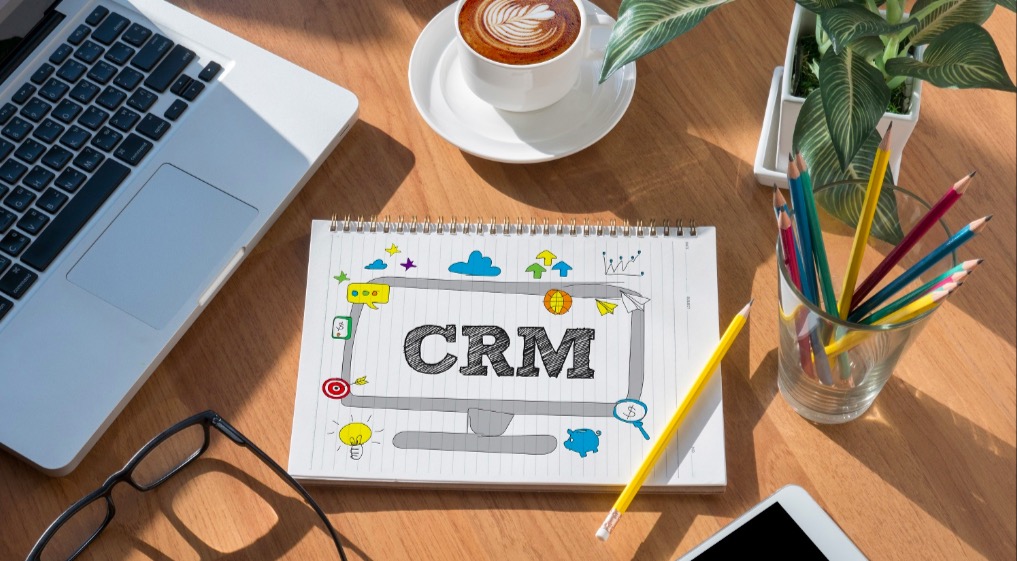
Among the tools that have had the greatest impact on the hotel business in recent years is Customer Relationship Management, more commonly known by its acronym, CRM.
Although CRM is, in essence, something historically championed, used and defended by the forward-thinking strategists of so many successful organisations, it is a tool implemented through the use of new technological advances in information technology and computing, based on the foundations of another ancient, revolutionised concept that gave rise to the well-known discipline of Relationship Marketing. Together, these facilitate the recognition, collection, processing, analysis and use of customer interactions in order to improve organisational results.
Internal service marketing, the management of moments of truth and service quality are highly important aspects when fine-tuning this tool, among many others that intervene both directly and indirectly in the coherent workings and implementation of CRM. They include numerous areas of management, such as human resources with an open-minded approach and a team of full-time marketers; leadership and its approach to the flow and use of information; communication; innovation and development; as well as operations, systems and process management, all aimed primarily at retaining and building customer loyalty.
An information system is a strategic and decisive factor for change, efficiency and effectiveness in organisations and in the development of activities in general. With the support of information technology, companies and hotels that establish systems suited to their operations and relationships with customers, suppliers, institutions and other stakeholders can create strong competitive advantages, both because they can increase productivity and because their management makes better strategic decisions. Through an appropriate information system, it is possible to deliver better service thanks to greater accuracy in meeting specifications and commitments, while also reducing response times and achieving significant savings in operating costs.
CRM encompasses a range of data collection and analysis activities that begin with defining and tracking customers in order to understand their needs, wishes and expectations. Defining and tracking customers involves rethinking what the company has been doing in the market in light of the results it has obtained. It is a decision that entails reworking strategies and tactics according to the objectives established to carry out that process. Defining and tracking customers means identifying a specific market segment that the hotel will serve first and subsequently develop. However, when identifying customers or segments, the hotel must assess their potential in order to formulate and implement the corresponding strategies. When redefining customers, it must not be forgotten that they perceive different values and benefits in a similar product according to their needs, wishes and expectations.
CRM, like Marketing in general, must reach the essence of what the customer wants, seeks, needs and desires. The hotel, in turn, must have the capacity to meet and develop those needs by working deeply on the care, encouragement and fostering of the interactions that take place within the hotel among customers—both internal and external—and between them, as key elements of the guest experience, as well as of service quality and the creation of satisfaction.
The person who knows the most about our service is the customer; that is why we always seek their opinion. Proper communication is the hotel’s greatest source of nourishment. To listen to them, we must first identify the points of contact with them and determine the service cycle from their vision and perspective; then, we must derive ideas from the customer experience and from how they express their needs, wishes and expectations. This is not enough unless we maintain communication with the customer and, with it, ongoing Marketing actions, data input and feedback through the database.
In summary, CRM is a strategy focused on achieving a relationship of trust with the customer, encouraging the pursuit of and work towards customer satisfaction, and developing and redefining customer-focused processes. To bring this intimate CRM strategy into reality, a business philosophy based on commercial relationships with the customer is required, rather than a philosophy centred on the sales process, since it involves every function within a company. A fully customer-oriented organisation is therefore essential.
Life has shown us the truth and validity of this assertion. It was the first to call for a customer-oriented approach and, over the years, it has not only drawn virtually every function and department within companies towards this focus through its drive and leadership, but also through the results and successes of this orientation.
Today, customer orientation is an imperative for companies seeking to remain competitive and continue gaining ground in their markets.
Service companies, and hotels in particular, are increasingly aware of this need and are joining this march towards eternity… It is for the customer that we work; therefore, all our efforts must be centred on them. And to achieve this, as with everything within any hotel, leadership is needed to embrace and motivate the shift and progress towards this goal.
Countless studies have been conducted to capture the attention of companies and their management teams, bringing to light a range of methods, techniques, tools and models that help us understand and embrace these alternatives as they emerge. They also show us the path to follow in line with changing patterns and trends, contingencies and technological development, among other new phenomena we must confront and leverage.
Among the tools that have had the greatest impact on the hotel business in recent years is Customer Relationship Management, more commonly known by its acronym, CRM.
Although CRM is, in essence, something historically championed, used and defended by the forward-thinking strategists of so many successful organisations, it is a tool implemented through the use of new technological advances in information technology and computing, based on the foundations of another ancient, revolutionised concept that gave rise to the well-known discipline of Relationship Marketing. Together, these facilitate the recognition, collection, processing, analysis and use of customer interactions in order to improve organisational results.
Internal service marketing, the management of moments of truth and service quality are highly important aspects when fine-tuning this tool, among many others that intervene both directly and indirectly in the coherent workings and implementation of CRM. They include numerous areas of management, such as human resources with an open-minded approach and a team of full-time marketers; leadership and its approach to the flow and use of information; communication; innovation and development; as well as operations, systems and process management, all aimed primarily at retaining and building customer loyalty.
An information system is a strategic and decisive factor for change, efficiency and effectiveness in organisations and in the development of activities in general. With the support of information technology, companies and hotels that establish systems suited to their operations and relationships with customers, suppliers, institutions and other stakeholders can create strong competitive advantages, both because they can increase productivity and because their management makes better strategic decisions. Through an appropriate information system, it is possible to deliver better service thanks to greater accuracy in meeting specifications and commitments, while also reducing response times and achieving significant savings in operating costs.
CRM encompasses a range of data collection and analysis activities that begin with defining and tracking customers in order to understand their needs, wishes and expectations. Defining and tracking customers involves rethinking what the company has been doing in the market in light of the results it has obtained. It is a decision that entails reworking strategies and tactics according to the objectives established to carry out that process. Defining and tracking customers means identifying a specific market segment that the hotel will serve first and subsequently develop. However, when identifying customers or segments, the hotel must assess their potential in order to formulate and implement the corresponding strategies. When redefining customers, it must not be forgotten that they perceive different values and benefits in a similar product according to their needs, wishes and expectations.
CRM, like Marketing in general, must reach the essence of what the customer wants, seeks, needs and desires. The hotel, in turn, must have the capacity to meet and develop those needs by working deeply on the care, encouragement and fostering of the interactions that take place within the hotel among customers—both internal and external—and between them, as key elements of the guest experience, as well as of service quality and the creation of satisfaction.
The person who knows the most about our service is the customer; that is why we always seek their opinion. Proper communication is the hotel’s greatest source of nourishment. To listen to them, we must first identify the points of contact with them and determine the service cycle from their vision and perspective; then, we must derive ideas from the customer experience and from how they express their needs, wishes and expectations. This is not enough unless we maintain communication with the customer and, with it, ongoing Marketing actions, data input and feedback through the database.
In summary, CRM is a strategy focused on achieving a relationship of trust with the customer, encouraging the pursuit of and work towards customer satisfaction, and developing and redefining customer-focused processes. To bring this intimate CRM strategy into reality, a business philosophy based on commercial relationships with the customer is required, rather than a philosophy centred on the sales process, since it involves every function within a company. A fully customer-oriented organisation is therefore essential.This article ends here. The archive does not.
Lead Hospitality brings together 1200 English articles published since 2018: years of experiences, decisions and lessons you can keep exploring.
CONTINUE FROM HERE
What would you like to explore next?
Choose a direction and keep reading around what you want to solve, learn or challenge.
01MAKE MOREProfitability, revenue and decisions that reach the bottom line.
02LEAD BETTERTeams, culture, talent and the conversations that matter.
03SELL BETTERPositioning, marketing, distribution and customers.
04CREATE EXPERIENCESService, loyalty and details guests remember.
05UNDERSTAND WHAT'S NEXTInnovation, AI and new ways of thinking about Hospitality.
✦SURPRISE MEShow me something worth five minutes of my time.