
Beyond the Spreadsheet: When an Obsession with Numbers Undermines Hospitality



Hospitality has always existed on the edge between a service vocation and the need for profitability. In recent years, I have watched the pendulum swing ever further towards the numbers: dashboards with dozens of indicators, Excel spreadsheets that look like impossible murals, and meetings where ratios are debated to exhaustion. Do not misunderstand me: financial discipline is essential, but when the obsession with measuring everything ends up governing decisions, the heart of hospitality beats more slowly.
Too often, I have witnessed how a misinterpreted KPI leads to decisions that harm the guest experience: reducing front-desk staffing to improve efficiency per hour worked, cutting amenities because the “cost per room” demands it, or removing a detail that delighted guests because it did not “generate direct revenue”. The result, inevitably, is a hotel that is more orderly on the spreadsheet but colder in spirit.
Management manuals remind us that a hotel is, above all, a business. And that is true. But a service business lives and dies by guest perception. A global Oracle and Skift survey in 2025 showed that 73% of guests would be willing to pay more for a personalised and authentic experience, while fewer than 40% considered the lowest price decisive. This simple statistic should make us reflect: why do we remain obsessed with cutting cents when true profitability lies in increasing satisfaction and loyalty?
The leading excellence models insist on balancing leadership, execution and results. This means that a good leader does not merely measure operational performance, but also listens to stakeholders, creates sustainable value and fosters a culture aligned with its purpose. Yet in day-to-day operations, it is easier to become trapped in weekly reports than to remember why we open our doors every morning: to welcome and care for people.
I have learned that Excel never captures the sparkle in a guest’s eyes when they receive an unexpected gesture, nor the emotion of a team when it feels it has overcome a challenge together. No RevPAR ratio measures the value of a genuine smile at check-in after a long journey. And yet, it is these invisible things that determine whether the guest returns or forgets us.
Some risks of falling into the tyranny of Excel in hospitality:
-
Blind cost-cutting: reducing staffing or services without considering the impact on the guest experience.
-
Short-term decisions: prioritising immediate margin over building the brand and guest loyalty.
-
Loss of authenticity: turning the hotel into a room factory rather than a place of hospitality.
-
Team burnout: imposing unattainable metrics that generate frustration and disengagement.
Lead Hospitality LibraryMy published books
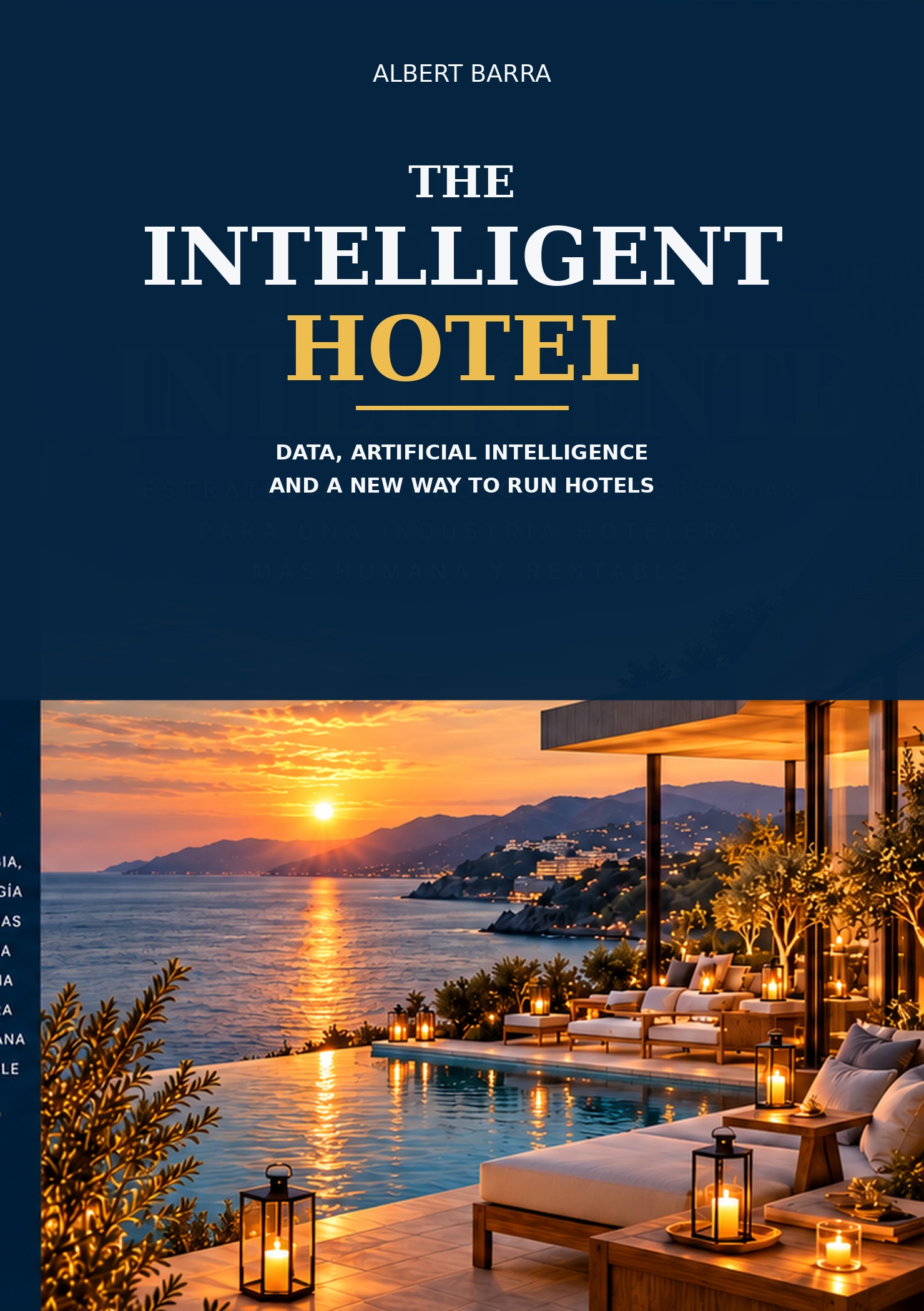
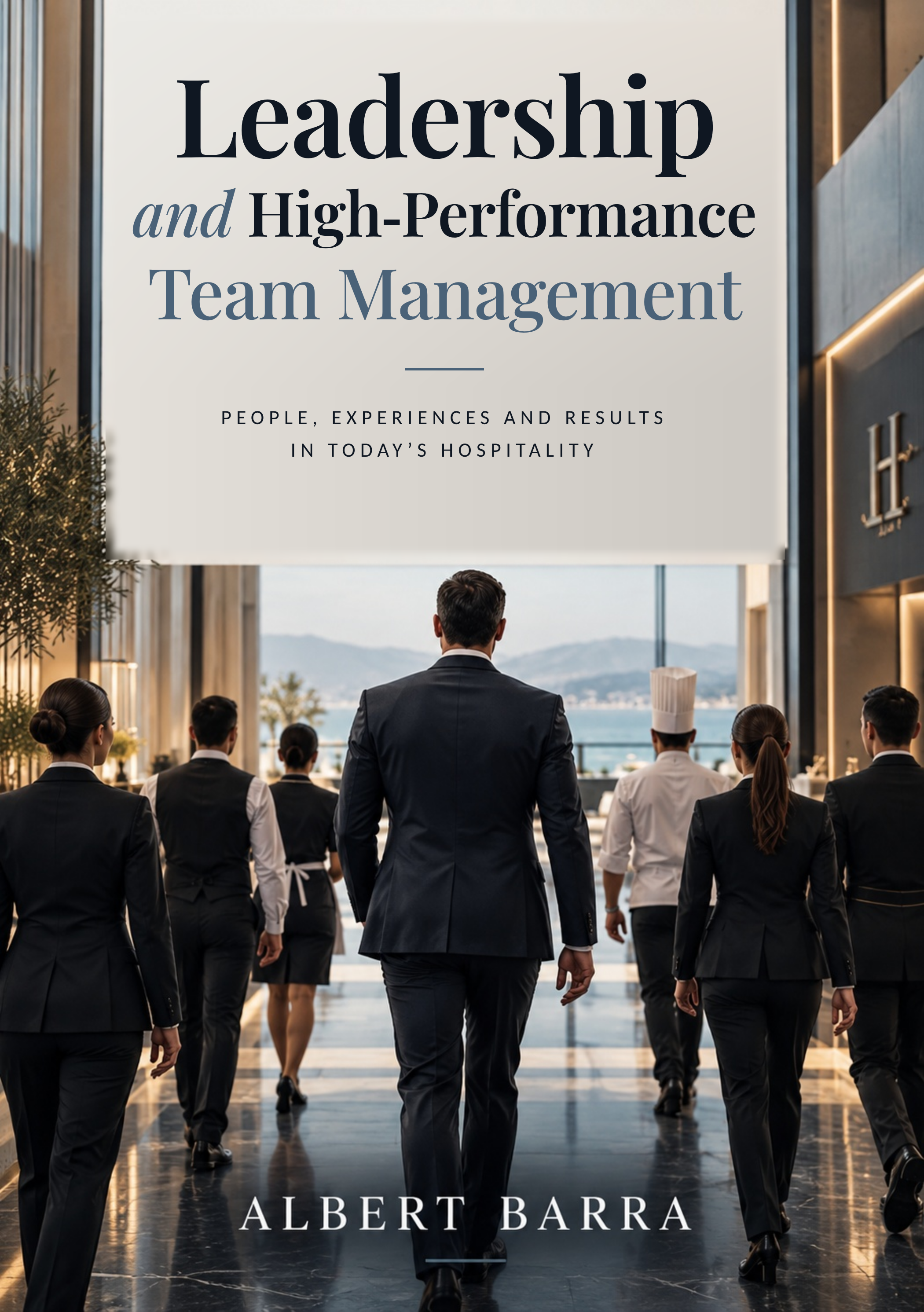
The Intelligent HotelData, Artificial Intelligence and a New Way to Run Hotels→Directing HotelsWhat Nobody Tells You Before You Sit in the General Manager’s Chair→Leadership and High-Performance Team ManagementPeople, Experiences and Results in Today\\\'s Hospitality→See all booksDigital edition · Personal licence · Free or discounted for subscribers

Revenue Management, so essential in our industry, can be an ally or an enemy. Applied well, it enables us to anticipate demand and optimise pricing. Applied poorly, it turns the guest into a mere number within an algorithm. The difference lies in remembering that behind every reservation there is a story, a reason, a person who has chosen us.
I myself have fallen into that trap. I have celebrated spectacular occupancy rates while, at the same time, receiving guest feedback reminding me that the magic had been lost. That was when I understood that the true art of running a hotel is not choosing between Excel or experience, but finding the balance. Because without financial control there is no future, but without soul there is no present.
To conclude this reflection, here are three pieces of advice that I never fail to keep in mind:
-
Walk through the hotel as a guest again. Forget the reports for a moment and observe: what does the lobby smell like? What does someone arriving tired at reception feel? Is there a sense of human warmth in every interaction?
-
Do not measure what does not matter. Having dozens of indicators does not guarantee better management. Define a few that are clear and aligned with the hotel’s purpose, not only with quarterly profitability.
-
Protect the intangibles. Sometimes, what cannot be measured is what creates the greatest value: trust, consistency, the feeling of being at home. They are invisible assets, yet more powerful than any Excel spreadsheet.
This article ends here. The archive does not.
Lead Hospitality brings together 1200 English articles published since 2018: years of experiences, decisions and lessons you can keep exploring.
What would you like to explore next?
Choose a direction and keep reading around what you want to solve, learn or challenge.