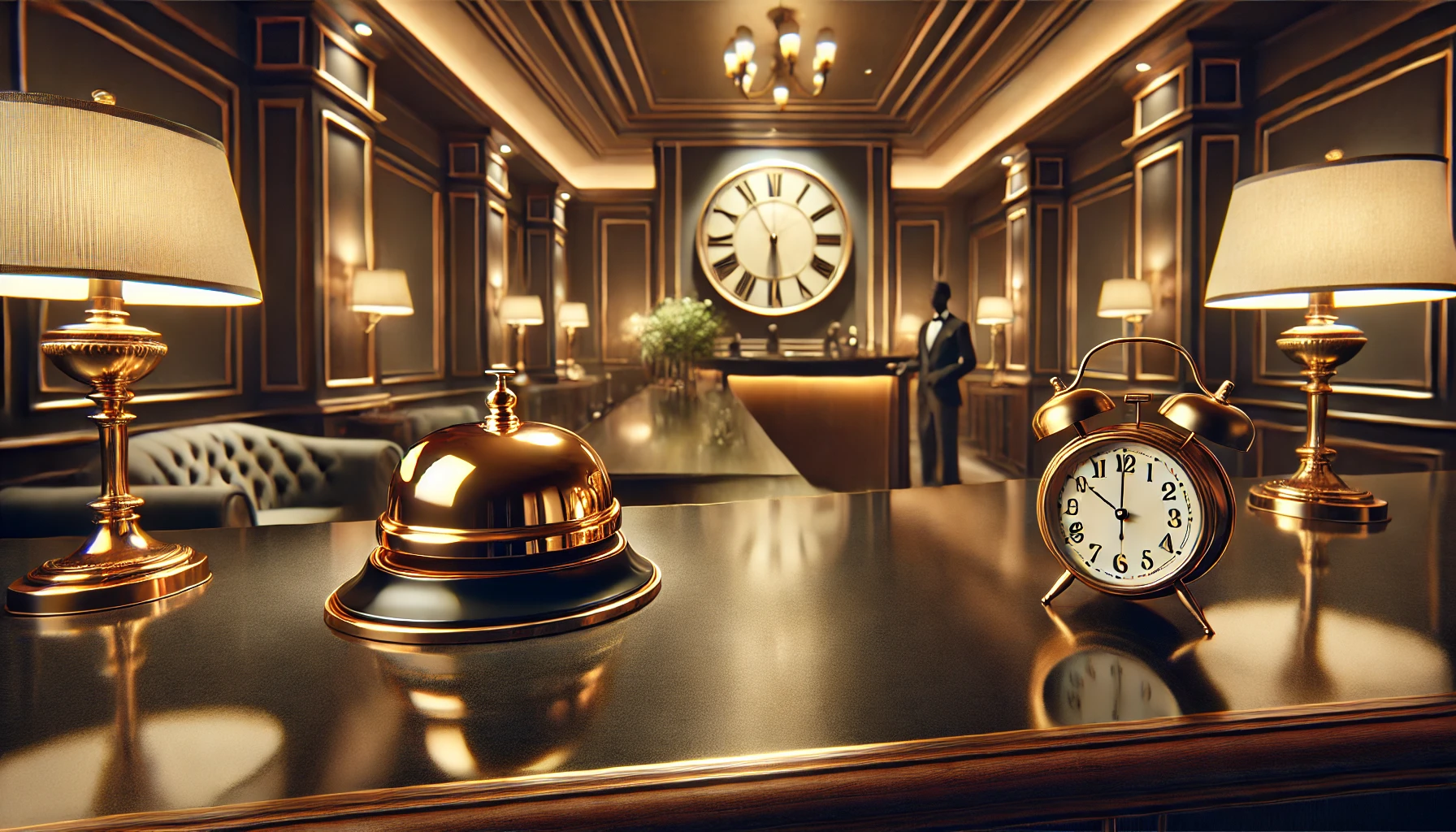
The Art of the Pause: How Service Pace Elevates the Guest Experience

Discover how mastering service pace can transform the hotel guest experience. From Lean Management and emotional intelligence to active listening, small, intentional pauses can create more personalised interactions, improve perceived service quality and strengthen guest loyalty.

On many occasions, the hotels that stand out from the rest are not necessarily those with the most luxurious facilities or the most elegant rooms. The real key lies in the ability to manage the pace of guest service—an element that, in my view, can be even more decisive than the quality of the service itself.
Surprised? I assure you, I am not exaggerating. The right pace in guest service is the key element in turning a good experience into a memorable one.
Just as in a piece of music, where strategic silences are as important as the notes, hospitality benefits enormously from the art of the pause. I have observed that when teams understand the importance of setting the right pace in guest service, it creates a multiplier effect on guest satisfaction. Conversely, rushed or impatient service, even when correct, can convey a sense of superficiality or indifference. In hospitality, where we work with people and emotions, managing the pace of service is crucial. I clearly remember a regular guest who told me that what he valued most about his stay was not the speed of check-in, but the fact that, when welcoming him, our team took a few seconds to look him in the eye and smile sincerely before proceeding with the formalities. Those brief moments defined his experience far more than any luxury service we could offer. Furthermore, the application of Lean Management in hospitality, a methodology I have implemented on several occasions, shows that more does not always mean better. This philosophy proposes eliminating any action that does not generate direct value for the guest and avoiding unnecessary movements that may interrupt the smooth flow of service. According to a study by Rauch and Matt (2020), applying Lean principles in hospitality can optimise operational times by up to 20%, resulting in a more relaxed and natural service for the guest (source: International Journal of Services and Operations Management). The pace of guest service is also decisive in the perception of quality. A sense of haste can make guests feel that they are merely "one more" on the list. By contrast, a measured and attentive pace conveys personalisation, respect and exclusivity. In a sector where, according to Sabre's "Hospitality Trends 2019" report, personalisation is essential for 78% of global travellers, this approach becomes a fundamental competitive differentiator.Putting the Pause into Practice: Key Tips for Applying It
Training Staff in Emotional Intelligence:
-
- A strategic pause is only possible when the team understands the emotional importance of service. Training staff in emotional intelligence helps create more genuine connections with guests.
Active Observation and Empathetic Listening:
-
- Taking the time to listen to what the guest needs before responding or acting creates more satisfying experiences and significantly reduces mistakes and misunderstandings.
Meaningful Transition Moments:
-
- Turn neutral service touchpoints—such as waiting for a lift or checking out—into opportunities to reinforce hospitality through small pauses that highlight personalised attention.
Strategic Process Redesign (Lean Management):
-
- Identifying and eliminating activities that add no value allows the team to focus on what truly matters: the guest. This enhances perceived quality and reduces unnecessary stress among team members.
The Pause as a Service Recovery Strategy:
-
- In difficult situations, taking a brief moment to compose oneself, reflect and act appropriately can transform an upset guest into a loyal one.
You have reached your free article limit
Subscribe to continue reading without limits, or unlock this article individually when available.