
Hotel Leaders Who Build Trust Transform Hotels. Fear-Based Leaders Only Manage Survival

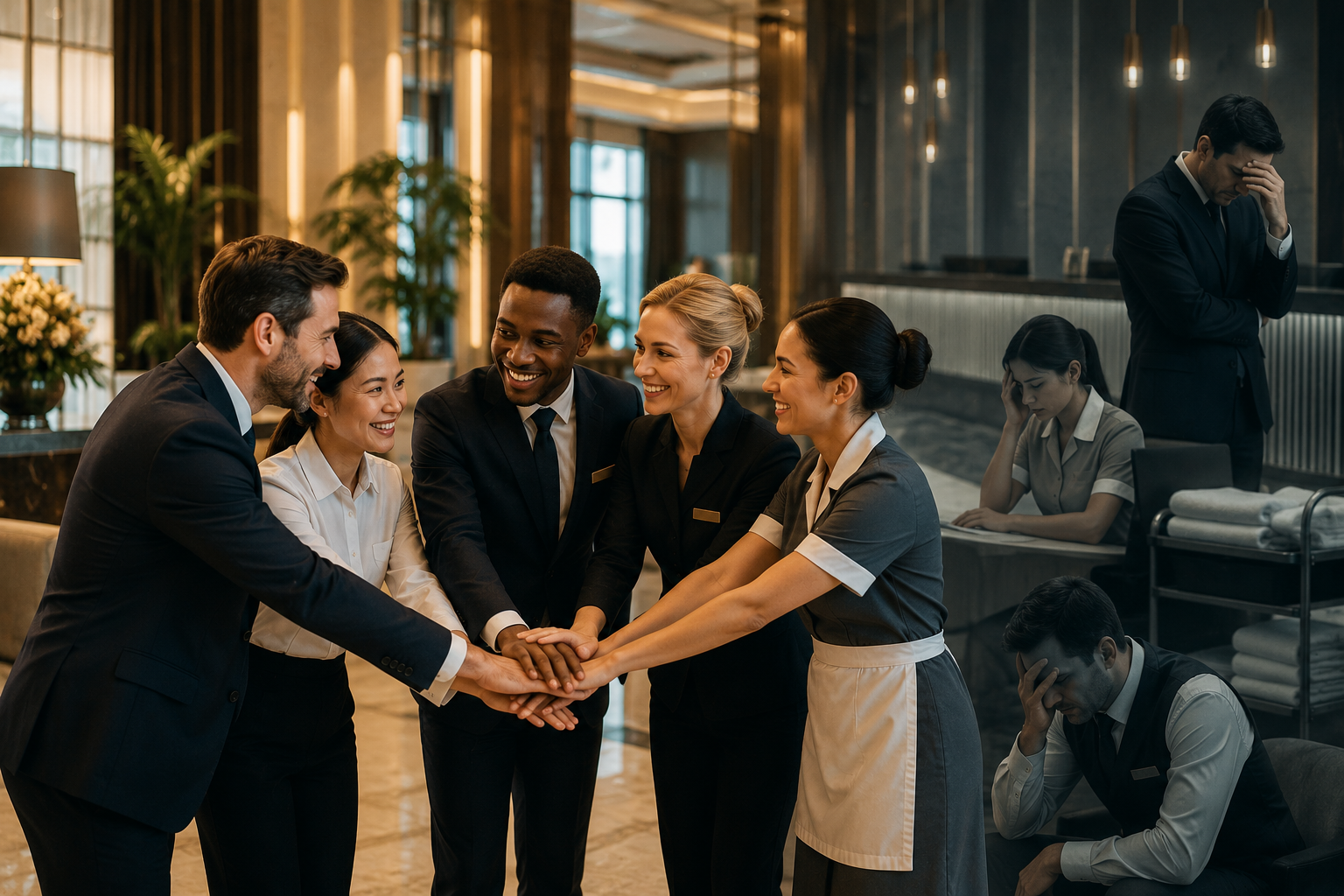

Authentic hospitality is not born of fear. It is born of trust.
 And yet, many hotel leadership models still operate from deeply outdated paradigms: excessive control, relentless pressure, obsessive supervision and cultures where mistakes are punished more than learning is rewarded.
Remarkably, neuroscience has been demonstrating for years that this approach not only damages the workplace climate, but also teams’ cognitive capacity, creativity and decision-making. When faced with constant threats, the human brain goes into defensive mode. And a team in defensive mode will never create memorable experiences.
In hospitality, an emotionally blocked team may continue checking guests in. It may serve coffees. It may turn rooms. But it stops contributing what truly sets an extraordinary hotel apart from one that is merely functional. And that is the real problem.
And yet, many hotel leadership models still operate from deeply outdated paradigms: excessive control, relentless pressure, obsessive supervision and cultures where mistakes are punished more than learning is rewarded.
Remarkably, neuroscience has been demonstrating for years that this approach not only damages the workplace climate, but also teams’ cognitive capacity, creativity and decision-making. When faced with constant threats, the human brain goes into defensive mode. And a team in defensive mode will never create memorable experiences.
In hospitality, an emotionally blocked team may continue checking guests in. It may serve coffees. It may turn rooms. But it stops contributing what truly sets an extraordinary hotel apart from one that is merely functional. And that is the real problem.
The Great Mistake of Confusing Tension with Performance
There is a dangerous misconception in many hotels: believing that a tense team is a high-performing team. They are not the same thing. Healthy high expectations drive people forward. Constant tension wears them down. A hotel can operate to very high standards while also building a culture founded on psychological safety, autonomy and trust. In fact, the best teams I have known worked this way. There was rigour. There was operational discipline. There was accountability. But there was no permanent fear. Because when a professional works feeling that every mistake could become a public judgement, something devastating happens:- They stop innovating
- They stop putting forward ideas
- They stop anticipating
- They stop taking emotional ownership
- They begin merely surviving operationally
- tired guests,
- technical issues,
- commercial pressure,
- limited staffing,
- online reviews,
- constant change,
- and ever-rising expectations.
Trust as a Competitive Advantage in Hospitality
There is something that rarely appears in a hotel’s annual budgets, yet determines absolutely everything: the organisation’s level of internal trust. Trust speeds up decisions. Trust reduces friction. Trust improves coordination. Trust increases autonomy. Trust lowers the invisible cost of control. When a team trusts its leaders, something extraordinary happens: energy stops being spent on self-protection and starts being invested in creating value. And that completely changes the operation. Small gestures begin to emerge that no operating manual can impose:- Front desk agents who personalise experiences without needing constant authorisation.
- Waiters who identify emotional opportunities with guests.
- Executive housekeepers who communicate issues before they become problems.
- Teams that collaborate spontaneously across departments.
- Managers who prioritise solutions over blame.
When Trust Becomes Complacency
That said, it is worth clarifying something important, because this debate is often misunderstood. Creating a culture based on trust does not mean building soft, permissive or relaxed organisations. And here another extremely common risk in hospitality emerges: confusing trust with an absence of high expectations. That also destroys hotels. I have seen organisations that, in trying to move away from toxic or excessively authoritarian cultures, ended up falling into the opposite extreme: a lack of discipline, declining standards, permanent tolerance of recurring mistakes and a dangerous sense that “nothing matters any more”. And in hospitality, when “nothing matters”, everything eventually goes wrong. Because our industry depends on operational consistency. A guest does not assess only the friendliness of the team. They assess punctuality, cleanliness, coordination, accuracy, speed, attention to detail and responsiveness. Trust should serve to unlock talent and responsibility, not lower expectations. When excessive trust leads to structural complacency, highly recognisable signs begin to appear:- Small operational breaches that become normalised
- Constant delays accepted as inevitable
- A lack of follow-up on issues
- Loss of attention to detail
- A gradual decline in standards
- A diminished sense of urgency
- Teams operating “on autopilot”
The Leadership the New Hospitality Industry Needs
Hospitality is entering a profoundly different era from the one we knew for decades. For a long time, many hotels were able to compete thanks to relatively traditional factors: location, category, facilities, brand, investment or commercial capability. But it is becoming increasingly clear that there is an element far more decisive and difficult to replicate: the ability to attract, develop and retain quality talent. And here an uncomfortable truth emerges that part of the industry still refuses to accept: the most valuable professionals no longer choose based on salary alone. They choose cultures. They choose emotional stability. They choose consistent leaders. They choose environments where they can work with dignity, clarity and purpose. This is especially true of younger generations, who have grown up observing destructive workplace cultures and are no longer willing to sacrifice mental health, personal balance and purpose simply to belong to a particular company. Hospitality still often thinks in terms of recruitment, when the real challenge is now retention.
Books to run a hotel with judgement
Written from the general manager’s chair: technology, guest experience, leadership and management.
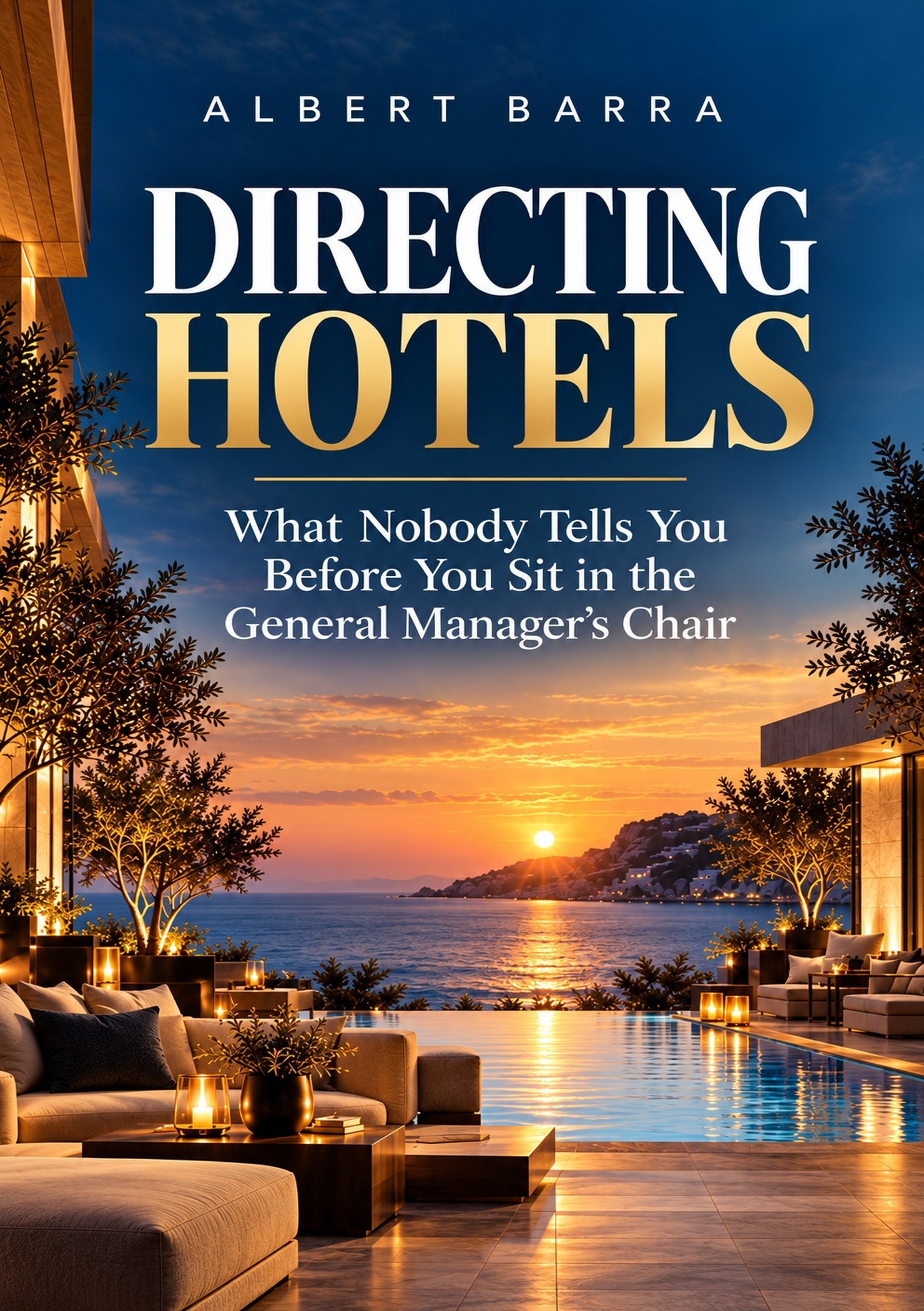 Directing HotelsWhat Nobody Tells You Before You Sit in the General Manager’s Chair
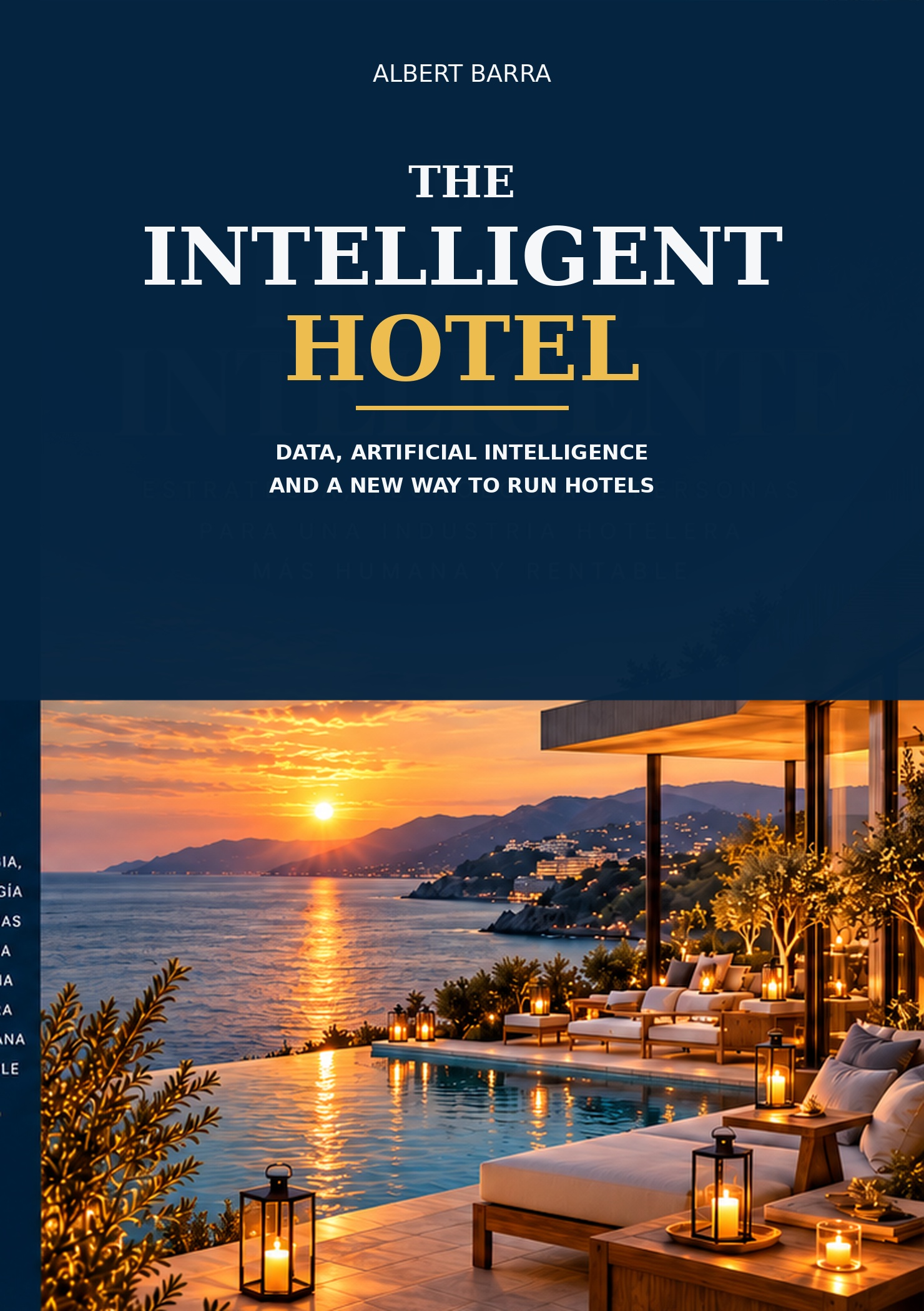 The Intelligent HotelData, Artificial Intelligence and a New Way to Run Hotels
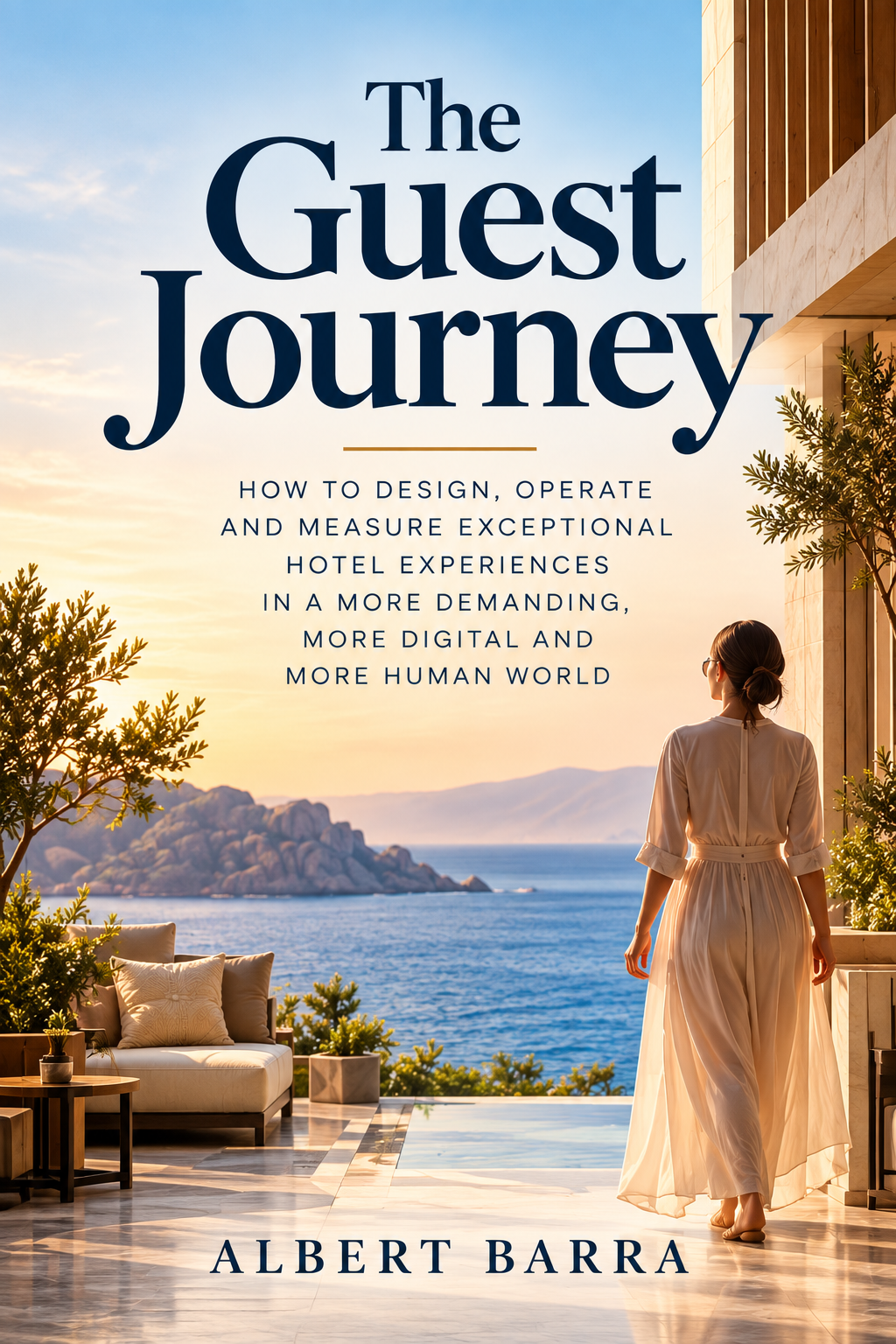 The Guest JourneyDesigning Customer Experience Across the Entire Hotel Journey
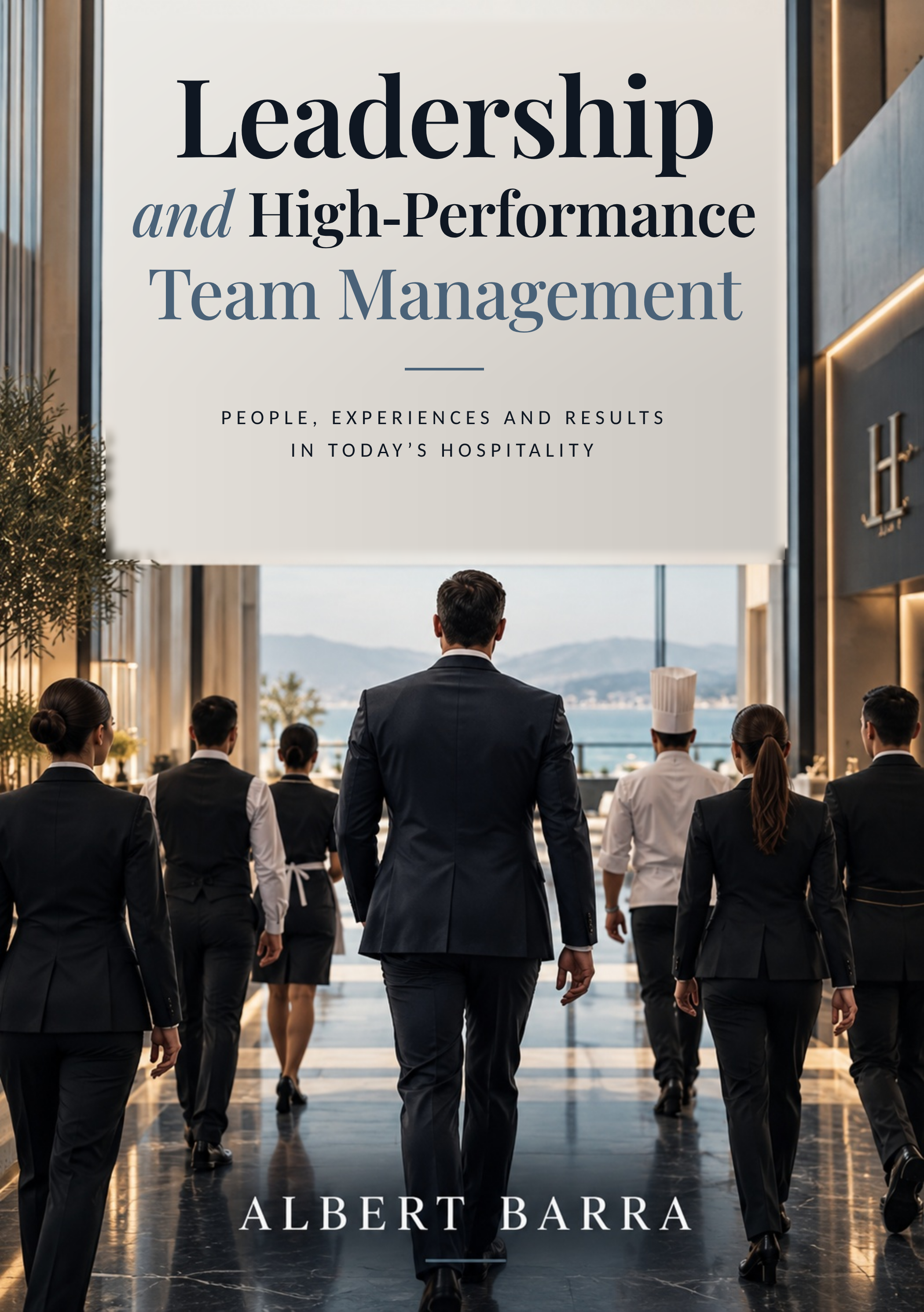 Leadership and High-Performance Team ManagementPeople, Experiences and Results in Today\\\'s Hospitality
Today, a great professional identifies a toxic culture with extraordinary speed. They do not need years to understand how an organisation truly works. They perceive it within a few weeks, sometimes within days. They see it in meetings dominated by tension rather than solutions. In leaders who constantly change their criteria. In departments pitted against each other. In obsessive micromanagement. In the total absence of recognition. In operational chaos turned into normality. In promises that are never fulfilled. In cultures where there are always people to blame, but never true accountability. And above all, in those emotionally unpredictable environments where the team never knows which version of leadership it will encounter each morning. That is where the silent erosion begins. Because talent does not usually leave overnight; it first disengages emotionally. It shows less initiative. Less commitment. Less creativity. Until it finally leaves. And when that happens, many hotels still make the mistake of thinking the problem was salary, when in reality the problem was cultural.
The hotel industry constantly talks about a “talent shortage”, but perhaps we should begin talking far more about the inability of many hotels to build environments where talent wants to stay. Because most valuable professionals do not run from hard work. Hospitality has always been a demanding industry, and those who love it know this perfectly well. What destroys people is not working hard; it is pointless wear and tear. It is feeling that effort has no direction. It is living permanently with disorganisation, tension, improvisation and contradictions. It is working in cultures where pressure replaces strategy and permanent urgency ends up consuming any possibility of real excellence. The difference between tiredness and burnout is enormous. A professional can end a physically exhausting day and still feel satisfied, valued and motivated. But ongoing emotional burnout slowly erodes even the best talent. And when an organisation enters that dynamic, it begins to lose far more than employees: it begins to lose collective intelligence.
The strongest hotels I have known were not necessarily the most luxurious, the most modern or those with the largest budgets. They were the ones where there was a culture of clarity, shared accountability and operational trust. Hotels where people could think rather than merely obey. Where they could make mistakes without fearing public humiliation. Where they could contribute ideas without feeling they were being a nuisance. Where there was consistency between what was said and what actually happened in the operation. And that generated something extraordinary: genuine commitment. Not obedience. Commitment. Because when people feel they are part of something greater than simply covering shifts or surviving operationally, the way they work changes completely. They begin to care for details that no one requires them to care for. They begin to protect the guest experience as though it were their own. They begin to act with autonomy and judgement. And, interestingly, those hotels also tend to achieve better financial results. Because trust is not merely a human or emotional concept. It is a deeply profitable competitive advantage.
Authentic hospitality has never been built on fear. It has been built by people who felt safe enough to care for other people. And perhaps that is one of the most important reflections hospitality needs to make today. Many hotels are trying to automate experiences while emotionally destroying the people who must deliver them. They invest in technology, artificial intelligence, automation and operational efficiency, while ignoring the silent deterioration of their internal cultures. But that is strategically unsustainable. Because in the end, guests may forget a room’s design, part of the breakfast or even many of the product’s physical details. What they rarely forget is how a human team made them feel. And teams do not forget how their leadership made them feel either. That is perhaps where one of the greatest responsibilities of the new hospitality industry lies: understanding that the guest experience will always be a direct reflection of the internal experience of those who work within the hotel.
This article ends here. The archive does not.
Lead Hospitality brings together 1200 English articles published since 2018: years of experiences, decisions and lessons you can keep exploring.
What would you like to explore next?
Choose a direction and keep reading around what you want to solve, learn or challenge.