
The Day a Hotel Penalized Its Most Loyal Guest



There are moments in hospitality that, however small they may seem, reveal profound truths about how we think about the business. Sometimes, you do not need complex market research or major consulting firms to discover where an organisation is failing. All it takes is an absurd phone call, a poorly designed policy, or a procedure created without ever looking the guest in the eye.
Recently, I read the story of a frequent traveller trying to book with a major hotel chain of which he had been a member for years. The system would not allow him to log in because his account had “expired” due to inactivity... just three days earlier. But that was not the most surreal part. What was truly extraordinary was that anyone without an account could book online without any issue, while the loyal guest was the one being blocked and forced to call.
It is difficult to find a better example of how many companies confuse loyalty programmes with genuine loyalty.
Modern hospitality has spent years obsessing over the accumulation of databases, points, tiers, badges, exclusive discounts and marketing automation. Yet too often, we forget something essential: loyalty does not come from a card or an app; it comes from how you make the guest feel when they interact with you.
And that is the central problem. Many hotels have invested millions in CRM, automation, revenue management and distribution, while quietly eroding the emotional guest experience. The result is paradoxical: we have never had so much data about guests and, at the same time, it has never been so easy to make them feel irrelevant.

Hospitality Is Full of “Satisfied” Guests Who Will Never Return
There is one phrase that perfectly captures this reality: “Customer satisfaction is worthless. Customer loyalty is priceless.”
For years, the industry has pursued satisfaction obsessively. Surveys. NPS. Reviews. Smiles measured on dashboards. But satisfaction alone is dangerously misleading.
A guest can be satisfied... and book their next trip at another hotel.
Because satisfaction is transactional. Loyalty is emotional.
I have seen hotels boast excellent scores while losing repeat business year after year. I have also seen properties with operational imperfections create genuine brand ambassadors thanks to something far more powerful: humanity, consistency and common sense.
Loyalty emerges when guests feel that the hotel has been designed with them in mind, rather than against them.
And this is where many organisations fail.
Because internally, we continue to build processes to protect systems, departments or KPIs, even when doing so means destroying the guest experience.
The case of the “expired” account is so telling for precisely this reason. The system was designed to protect the company’s internal logic, not the guest’s convenience. And when an organisation reaches that point, it begins to bureaucratise its relationship with the guest.
In hospitality, this happens constantly:
- Absurdly rigid cancellation policies that create more frustration than revenue.
- Endless check-in processes for repeat guests who have already shared all their details twenty times.
- Irrelevant loyalty programmes in which guests accumulate points for years in exchange for mediocre rewards.
- Fragmented telephone support, where no one has the real authority to resolve anything.
- Excessive automation that removes operational friction... but also removes humanity.
And the worst part is that these decisions are often justified in the name of efficiency.
But there is an uncomfortable question that few organisations ask themselves:
What does it cost to lose a loyal guest emotionally?
Because losing a new guest hurts. But losing a repeat guest destroys future value.
Various hospitality loyalty studies show that acquiring a new guest can cost between 5 and 7 times more than retaining an existing one. In addition, repeat guests tend to spend more, book further in advance and generate lower acquisition costs.
And yet, paradoxically, many hotel chains treat the first-time guest better than the guest who has been staying with them for ten years.
That is where hospitality enters a dangerous spiral of relational mediocrity.
Loyalty Cannot Be Bought: It Is Built Through Operations
One of the industry’s greatest strategic mistakes is to believe that loyalty belongs exclusively to marketing. It does not.
Loyalty belongs, above all, to operations.
It is built at the front desk. In housekeeping. In reservations. In maintenance. In how you respond to a problem. In how you handle a complaint. In how you make the guest feel when something goes wrong.
In fact, true loyalty is often born precisely after an issue has been handled well.
Complaints contain extremely valuable information. They are not merely problems; they are X-rays of the business. A guest who complains is still trying to maintain the relationship with you. The truly dangerous one is the guest who leaves silently and never returns.
Books to run a hotel with judgement
Written from the general manager’s chair: technology, guest experience, leadership and management.
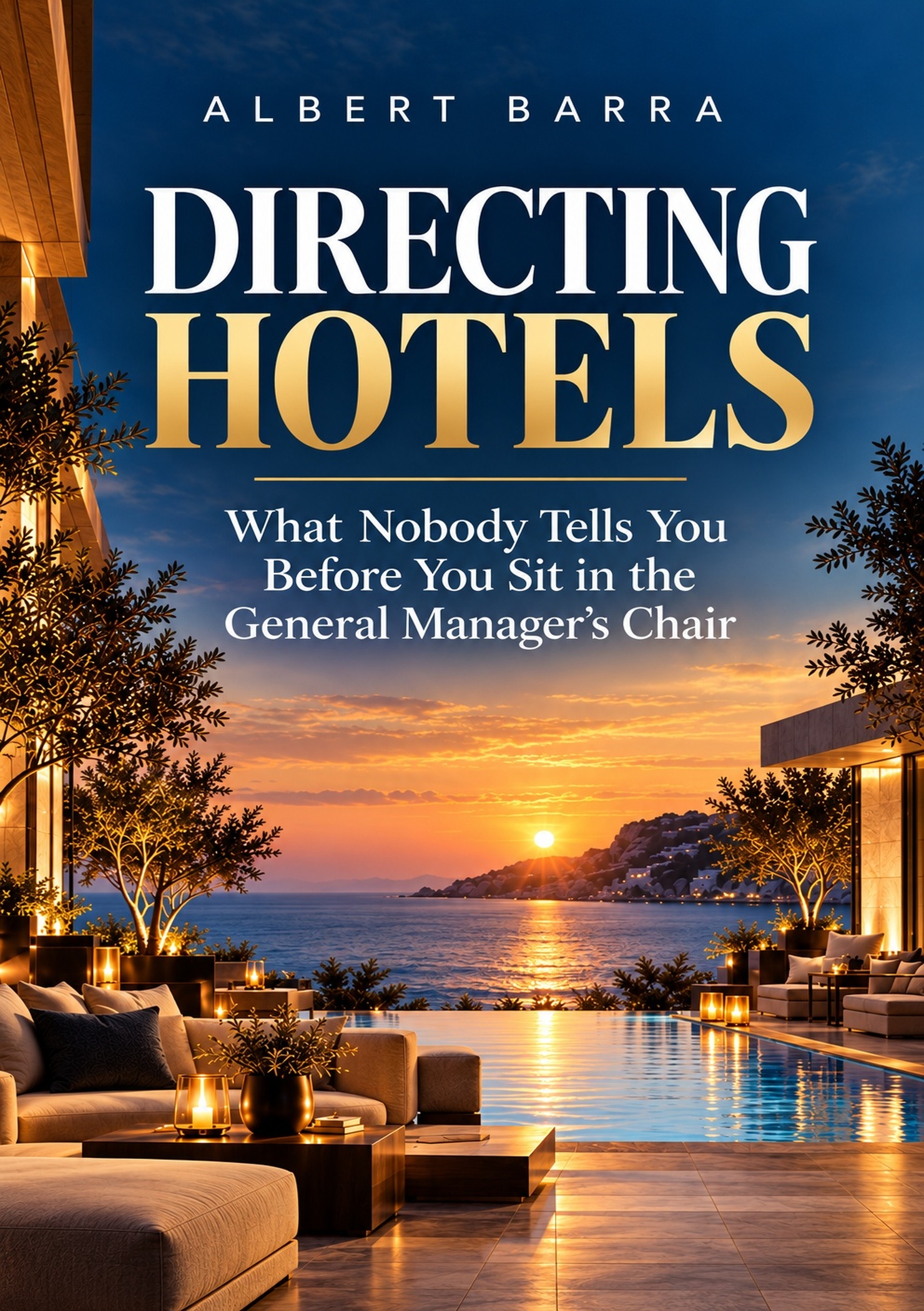 Directing HotelsWhat Nobody Tells You Before You Sit in the General Manager’s Chair
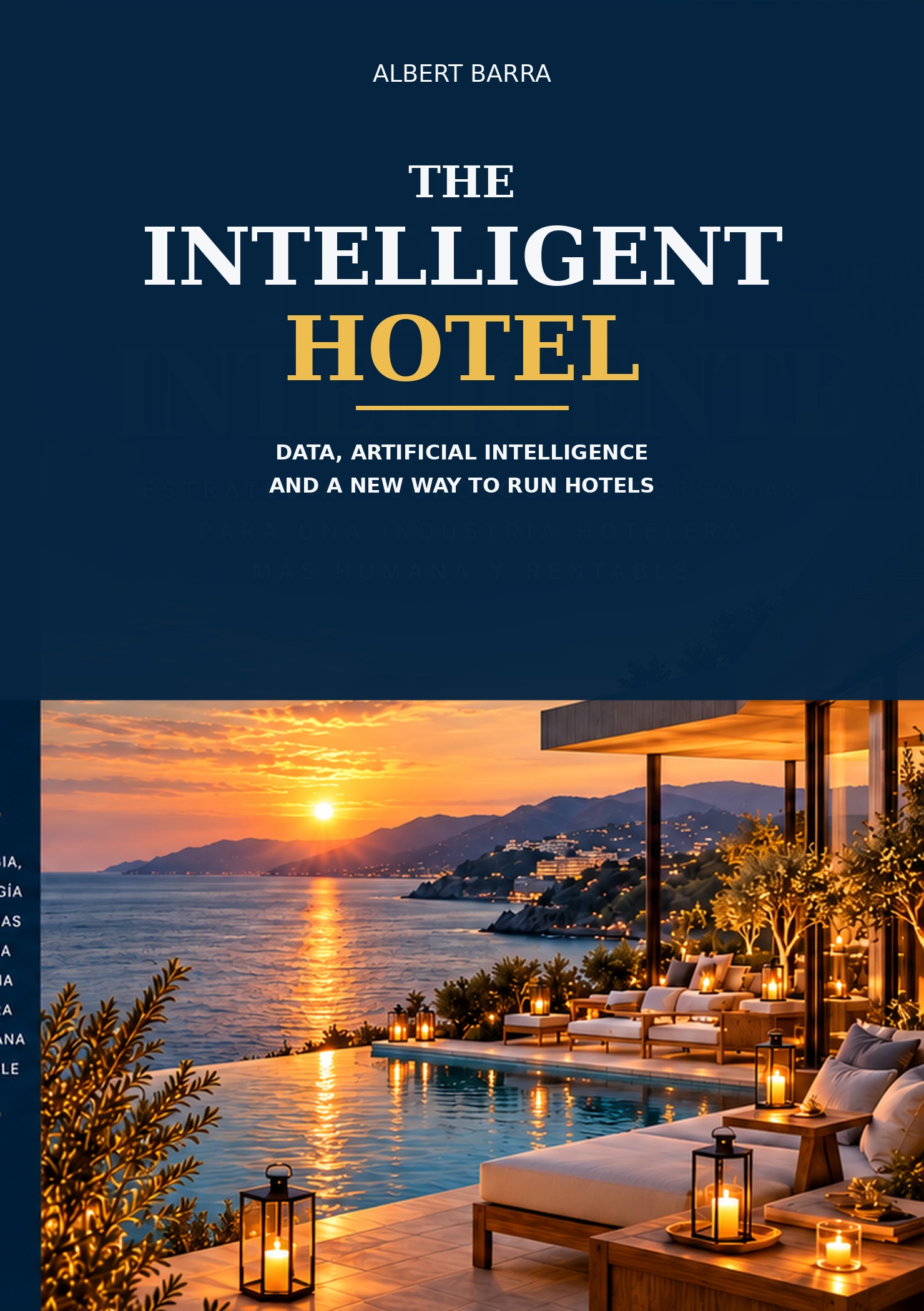 The Intelligent HotelData, Artificial Intelligence and a New Way to Run Hotels
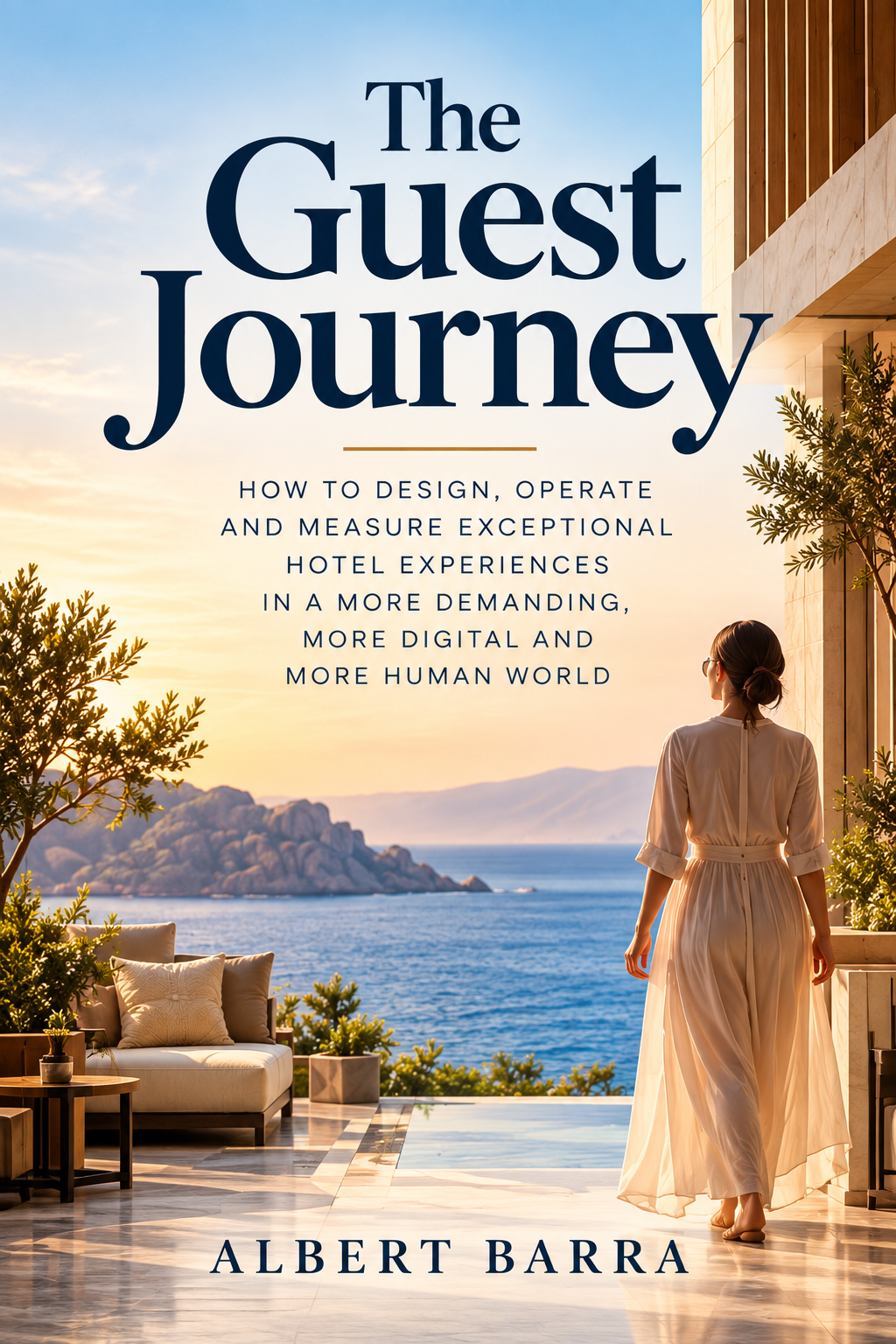 The Guest JourneyDesigning Customer Experience Across the Entire Hotel Journey
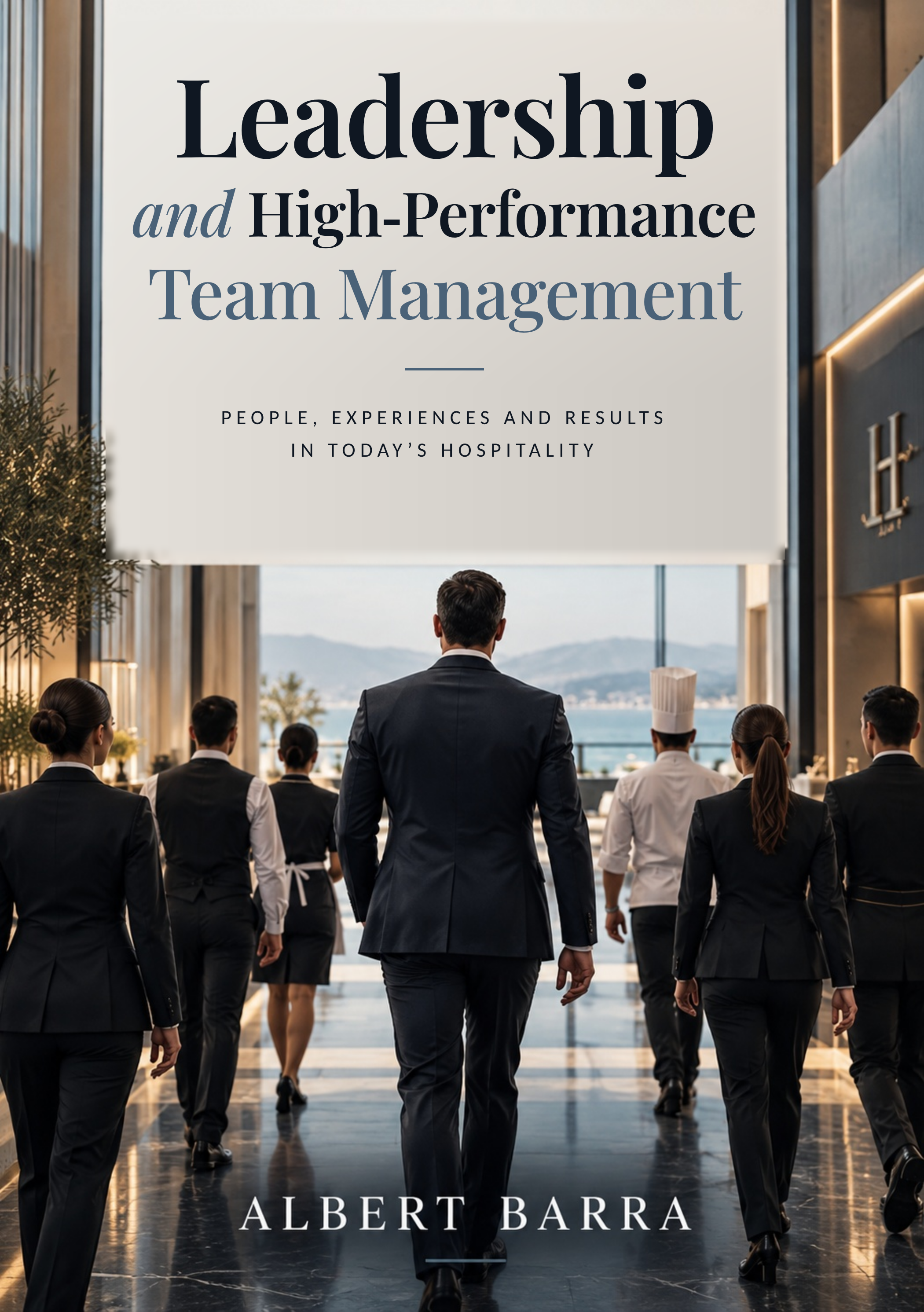 Leadership and High-Performance Team ManagementPeople, Experiences and Results in Today\\\'s Hospitality
Over the years, I have learned something important: excellent hotels are not those that never fail. They are the ones that know how to repair the experience emotionally when they do.
Because failure is inevitable in a complex hotel operation. What matters is the ability to respond.
This is where truly guest-centric hotels stand out:
- Those that empower their teams to make decisions.
- Those that eliminate unnecessary bureaucracy.
- Those that understand that the guest’s time has value.
- Those that do not hide human contact behind endless layers of automation.
- Those that use technology to simplify, not to complicate.
And there is another important reflection here.
The current obsession with automating absolutely everything is creating deeply impersonal experiences. Some hotels seem designed to avoid human contact as though the guest were an operational threat.
Automated check-in. Automated check-out. Chatbots. Generated responses. Impossible phone calls. Impersonal processes.
Curiously, while part of the industry attempts to eliminate human interaction, many travellers still place enormous value on feeling recognised and treated authentically.
Technology is extraordinary when it removes friction. But it is terrible when it removes connection.
And hospitality, ultimately, remains a profoundly human industry.
No matter how many algorithms we implement, a guest’s most powerful memory will rarely be software. It will usually be a person, a gesture, an unexpected solution, or the feeling of having been treated with intelligence and empathy.
That is where genuine loyalty begins.
Not in points. Not in apps. Not in automated emails.
But in a hotel’s ability to make the guest think:
“They understand me here.”
Because when a guest feels that way, they stop constantly comparing prices. They stop looking for alternatives. They stop seeing their stay as a simple transaction.
And that, in a market saturated with options, is worth far more than any marketing campaign.
Hospitality talks constantly about the guest experience. But perhaps we should begin talking much more about something far more important: the relationship experience.
Because a satisfied guest may forget you. An emotionally connected guest will not.
This article ends here. The archive does not.
Lead Hospitality brings together 1200 English articles published since 2018: years of experiences, decisions and lessons you can keep exploring.
What would you like to explore next?
Choose a direction and keep reading around what you want to solve, learn or challenge.