
Everyday Hotel Practices That Add No Value for Guests

Albert BarraJanuary 28, 2024 · 5 min read

Inefficient Front Desk Procedures
Lengthy Check-in and Check-out Processes
Despite living in a digital age, many hotels still cling to lengthy and tedious check-in and check-out processes. According to a study by Hospitality Technology, more than 50% of guests prefer fast digital procedures. Streamlining these processes through technologies such as mobile check-in and digital kiosks not only saves time, but also improves guest satisfaction.Irrelevant Information at Welcome
During the welcome process, we often overwhelm guests with information they rarely remember. Instead of a lengthy briefing, it would be more effective to offer a concise overview of the key points and provide additional information through digital or printed channels that guests can consult at their convenience.Paper Forms and Surveys
The continued use of paper forms and surveys is not only outdated, but also environmentally unfriendly. The transition to digital formats is a necessary evolution that streamlines the process and facilitates data analysis to continuously improve our services.Underused Services and Amenities
Televisions with Traditional Channels
The presence of televisions with cable or satellite channels in guestrooms has become outdated. With the prevalence of streaming services and personal devices, guests rarely use this offering. A smarter investment would be to provide easy access to streaming platforms or enhance Wi-Fi connectivity.Traditional Minibars
Traditional minibars are often ignored by guests because of their high prices and limited selection. A more valuable alternative would be to offer a small lobby shop or in-room delivery services with more varied options at reasonable prices.Standard Bathroom Amenities
Providing standard bathroom amenities in every guestroom, without considering guests’ individual needs, results in significant waste. Offering personalised options or implementing a system that allows guests to select their preferences before arrival is not only more sustainable, but also increases guest satisfaction.Ineffective Communication and Marketing
Brochures and Printed Materials
Relying on brochures and printed materials to promote local services and events is not only environmentally unfriendly, but also impractical. Most guests prefer to access this information digitally. Therefore, investing in a hotel app or interactive digital platform would be more beneficial.Excessive Email Communications
Sending too many promotional emails and post-stay surveys is often counterproductive, leading guests to ignore these messages. More personalised and less frequent communication would be more effective in maintaining guest engagement and loyalty. In hospitality, less is often more. By simplifying processes and eliminating the superfluous, we not only improve the guest experience, but also align ourselves with more sustainable and efficient practices. This statement captures the essence of our approach to the hotel industry: the constant pursuit of efficiency and service excellence.Excessive Offerings: When Less Is More in the Guest Experience
The Paradox of Choice
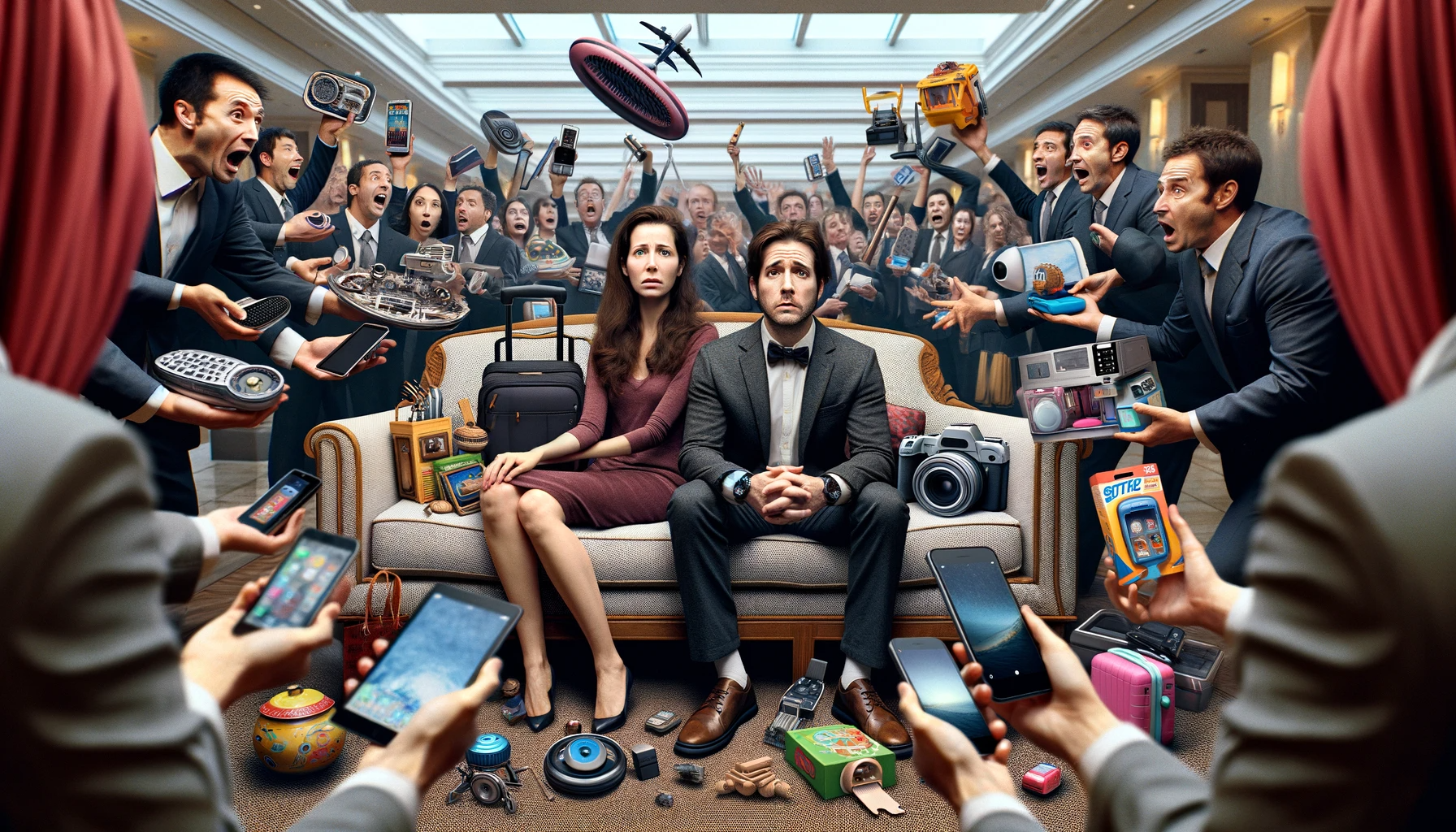
In our efforts to please and surprise guests, we often fall into the trap of overwhelming them with options and services. Far from being beneficial, this excess can lead to what Barry Schwartz calls “the paradox of choice”. Offering too many options can create anxiety and make decision-making more difficult, negatively affecting the overall guest experience at the hotel. A more streamlined and curated approach can, paradoxically, be more appreciated.Quality over Quantity in Services
Rather than offering a long list of services and amenities, focusing on the quality and relevance of a select few can be more effective. For example, instead of an extensive spa menu with dozens of treatments, a carefully curated selection that addresses the most common needs can be more satisfying. This attention to detail demonstrates a deeper understanding of guests’ needs and preferences.Personalisation versus Overload
Personalisation is key in modern hospitality. Rather than overwhelming guests with generic information and options, it is preferable to offer personalised recommendations based on their interests and previous behaviour. This not only improves the guest experience, but also demonstrates a level of attention and consideration that is highly valued in the hotel industry.Simplifying Spaces and Design
The design and décor of hotel spaces should also reflect this “less is more” principle. An overly busy design can be visually overwhelming and detract from the comfort of the environment. Elegant, functional spaces designed around comfort and practicality can make guests feel more relaxed and at home. In conclusion, while it is tempting to try to impress guests with a wide range of services and options, it is important to remember that excess can be counterproductive. By focusing on delivering a more personalised, streamlined and high-quality experience, we can ensure that our guests enjoy a truly memorable and stress-free stay. In our industry, we must constantly question our practices and adapt to changing guest expectations. By eliminating processes and services that do not add value, we can focus on what truly matters: delivering an exceptional experience that is both memorable and meaningful for our guests. Let us always remember that simplicity and adaptability hold the key to success in hospitalityThis article ends here. The archive does not.
Lead Hospitality brings together 1200 English articles published since 2018: years of experiences, decisions and lessons you can keep exploring.
CONTINUE FROM HERE
What would you like to explore next?
Choose a direction and keep reading around what you want to solve, learn or challenge.
01MAKE MOREProfitability, revenue and decisions that reach the bottom line.
02LEAD BETTERTeams, culture, talent and the conversations that matter.
03SELL BETTERPositioning, marketing, distribution and customers.
04CREATE EXPERIENCESService, loyalty and details guests remember.
05UNDERSTAND WHAT'S NEXTInnovation, AI and new ways of thinking about Hospitality.
✦SURPRISE MEShow me something worth five minutes of my time.