8 min read•Albert Barra
How to Build a Hotel Brand That Drives Guest Loyalty and Revenue

Albert BarraApril 8, 2026 · 8 min read
Hotel branding helps properties stand out, strengthen guest loyalty and drive more direct bookings. Learn the essentials of a strong hotel brand, from understanding your audience and engaging employees to maintaining consistent design and social media.

Branding is one of the most important tools a hotel has to stand out. This is no secret; the challenge lies in knowing how to build a brand that drives recognition and loyalty while increasing bookings.
David Ogilvy’s definition of a brand is: "The intangible sum of a product’s attributes: its name, packaging and price, its history, its reputation, and the way it is advertised."
Jeff Bezos, Amazon’s founder, defines a brand as: "Your brand is what people say about you when you are not in the room."
Bringing these two definitions together in a hospitality context, a brand can be defined as the characteristics of your hotel, the methods used to promote it, and the effect this has on your audience.
If your brand creates positive impressions, people will speak highly of you to everyone they know. This positive word of mouth, both in person and online, will undoubtedly deliver more bookings and revenue.
However, a poorly built, poorly managed or non-existent brand will lead to ridicule—or worse, cause your hotel to disappear from the map altogether.
The right brand for your hotel will strengthen guest recall and audience loyalty, helping you secure more bookings.
What are the foundations that make a brand strong?
The right brand for your hotel will strengthen guest recall and audience loyalty, helping you secure more bookings.
What are the foundations that make a brand strong?
- Understand your audience
- Ensure your employees embody your brand
- Be consistent in your design.
- Branding on social media
1. Understand your audience:
La mayoría de las personas que difundirán su marca son sus clientes y potenciales clientes, no usted mismo, ni su departamento de marketing. Share on X
A hotel can make a lot of noise and generate plenty of activity, but if this does not lead to interaction and the guest does not engage, do not be misled: you are not building a brand, and all you are doing is wasting your marketing budget.
As Google Small Business discovered, only 5% of word-of-mouth conversations take place online, while 82% occur face to face. The only way to influence your guests’ face-to-face conversations is through a strong brand: this is one of the things that is very difficult to track and measure.
If your brand does not resonate with your guests, you will generate very few bookings through word-of-mouth marketing.
Your brand must appeal to two groups of people: your guests and the people who influence them. Reaching influencers may require a great deal of work, but it can quickly increase exposure.
Influencers can be anyone: chefs, hoteliers, bloggers, social media influencers, even hotels. But make sure you choose your influencers wisely. Rather than trying to reach all of them, focus only on the most relevant ones. If you are a budget hotel, do not try to attract the attention of influencers who are only interested in luxury hotels.
To create a branding strategy that will have an impact on influencers and guests, you must first understand them.
2. Ensure your employees embody your brand:
According to Tony Hsieh, CEO of Zappos, your culture is your brand. With the rise of the internet, businesses have become transparent. When employees have a poor experience at a company, they can leave a review on Glassdoor or write a reflective article about it. Conversely, when employees love their work, it is reflected in their performance, their attitude and the way they relate to your hotel, both inside and outside it. Create a culture and a brand, hire employees who fit them, or find ways to help them understand and embrace the brand culture. In a perfect world, your employees should speak highly of the company, not only while they are at work but outside of it as well. Together with your influencers and guests, your employees will generate word of mouth. This is not something you can control, except by creating a positive culture that enables employees to come together, thrive and have room to grow personally and professionally. Here are some tips to help you create a culture and brand your employees will be happy to be part of:- Ask your current employees what they believe your hotel’s culture and brand are. If this does not align with what you feel, review your strategy.
- When hiring new employees, make sure they are a good fit for your brand.
- Keep employees happy. Develop activities that bring them together as a team, ensure lines of communication are open both horizontally and vertically, and encourage them to grow.
3. Be consistent in your design:
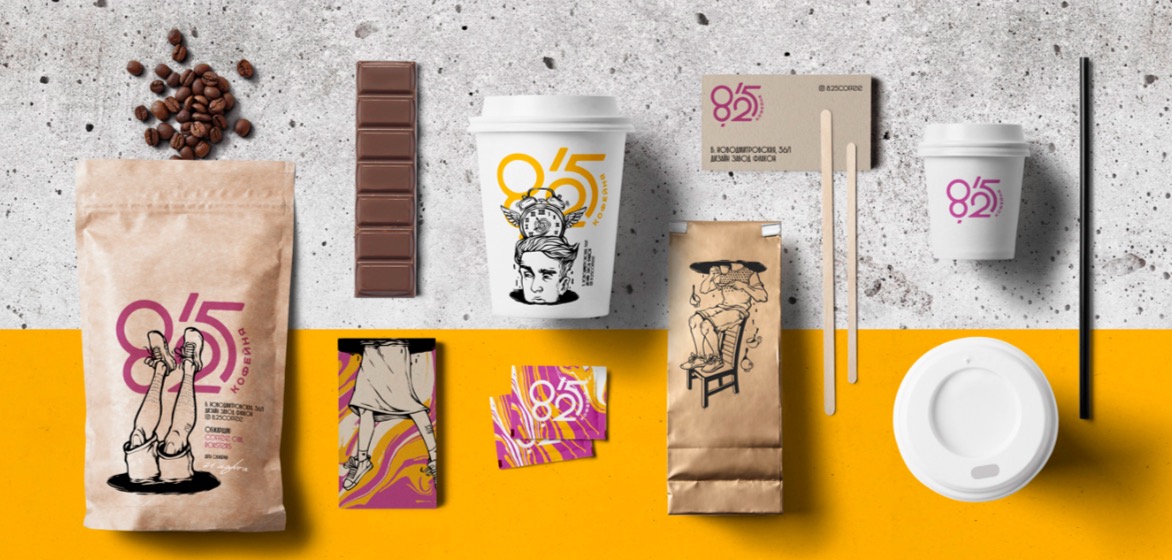
Once you have done your research and gathered information about your guests, influencers and employees, you should be able to create a brand that suits them. The simplest way to reflect this brand in your marketing efforts is through design. Your logo, colours and typefaces should be based on this research. You can use colours they like, typefaces you find easy to read, and logos that tell stories and create an emotional connection. Your design should be used across all your materials. This includes both marketing and non-marketing materials. Marketing materials such as your website, newsletters and brochures should incorporate this design. As soon as someone looks at any of your marketing materials, they should know which hotel it belongs to. That is what branding means at a design level. Your hotel stationery, pens, envelopes, amenities, laundry bags and so on should feature your logo and use the same colours as your marketing materials. Guests will take items such as small shampoo bottles with them when they leave. When they see them, they will remember you—and if they place them in their guest bathroom, their guests will too! Some people may visit your website after seeing your hotel’s logo and name. If the design matches that of the website, it will lead to more conversions: message consistency is a very powerful factor. Alongside design, make sure your copy is consistent across all your materials. Again, it should be written in a way that appeals to your audience.4. Your brand on social media:
Online guests will discover your hotel through search engines or social media. A strong social media presence is vital for a modern hotel. Here are two ways to achieve this...Set up consistent accounts across all social media platforms:
Build your brand by maintaining a consistent design across all platforms—one that matches your website and the feeling you are trying to convey, whether that is vitality, relaxation, security or something else. This should include:- Name: Your accounts will have two names: a username and a business name. For the username, use your hotel name or something similar if the name is already taken, as usernames generally need to be unique across the platform. For your business name, use your hotel name.
- Description: In the description, write about the services your hotel offers and what you will share. You can even include a call to action asking people to follow you. Use the same description across all your platforms. You may need to adapt it slightly here and there to fit word limits, but the message should remain the same.
- Profile photo: For your profile photo, use your logo or an image featuring your hotel name.
- Cover image: Many social media platforms also have cover images; be sure to add one. This can be a graphic incorporating the same colours as your hotel website or a photo of your hotel. You could even use a photo of your employees, but please, not a bed.
Publish content that reflects your brand:
An easy way to communicate your brand on social media is to share content that reflects it. This includes photos of your hotel, employee photos, informative visuals and blog posts. The content you share does not have to relate solely to hotels. It can be about anything that reflects your brand. For example, if you are a luxury hotel seeking to attract high-spending guests, you can share all kinds of content that interests them. For instance, the launch of a new sports car or a post detailing the city’s most expensive restaurants. Be the brand these people want to be associated with. Conversely, if you are a budget hotel, try sharing content such as money-saving tips and information about the latest offers. The goal should be to use useful and entertaining content to build a relationship with your followers. Once you have done so, you can promote your newsletter, offers and rooms. Bookings will come naturally; be patient. To develop a strong brand for your hotel, you must first understand your audience, the people who influence that audience, and your employees. After that, you must develop the brand and ensure it is reflected across all your marketing and non-marketing materials, as well as your social media channels. By taking all the steps above, you will ensure that you are genuinely building a brand and, as a result, laying the groundwork for greater revenue.FREE READING LIMIT
You have reached your free article limit
Subscribe to continue reading without limits, or unlock this article individually when available.
Already have access?Sign in