
Lead Hospitality

Move Beyond Traditional Management and Drive Innovation

THE IDEA

Holding on to outdated management styles can undermine a hotel’s long-term success. Traditional approaches built on rigid hierarchies no longer meet the needs of a market that demands flexibility and fast responses. This article explores the shift towards modern hotel management models, highlighting employee empowerment, organisational agility and a purpose-driven workplace. Through real-world examples and practical steps, it shows how these strategies can transform the guest experience and strengthen a hotel’s competitive position.
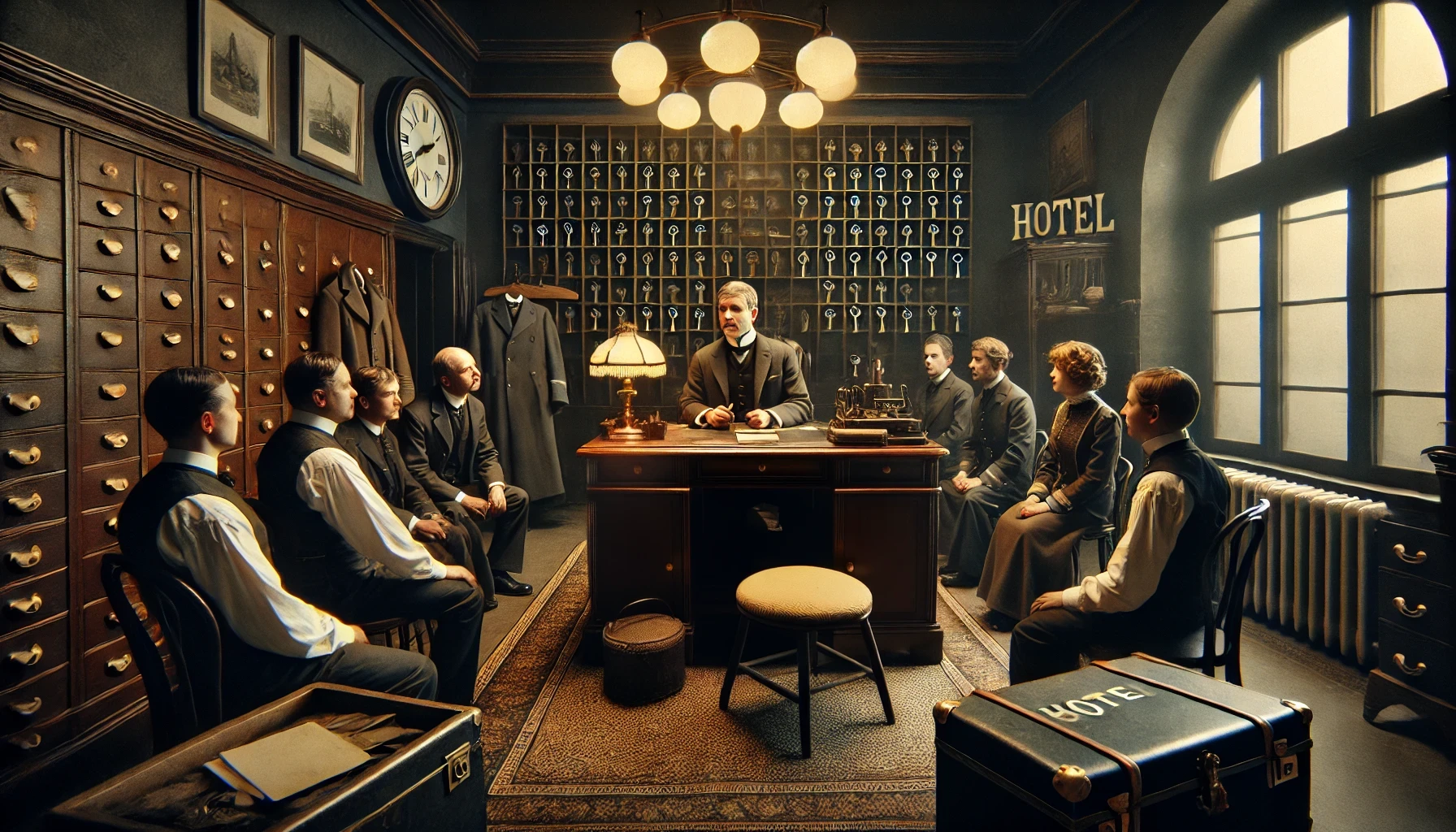

Team management has traditionally been guided by rigid hierarchical structures, where decision-making authority and control are concentrated at the highest levels. For decades, this way of operating has served as an effective model for maintaining order and efficiency across operations involving multiple departments, from front desk and housekeeping to guest service and administration. However, in today’s fast-paced and highly competitive business environment, holding on to these outdated management styles can be detrimental to a hotel’s success and sustainability. The traditional top-down model focuses on control and predictability. But how does this translate into the day-to-day running of a hotel? It means that important decisions are made at executive level, with little or no input from employees who interact directly with guests. This creates a disconnect between management and daily operations, which can lead to several significant challenges.

The Shortcomings of the Traditional Model

First, low employee engagement is a recurring issue. When hotel team members feel that their opinions are not valued or that they have little autonomy to make decisions affecting their daily work, it is natural for them to become demotivated. In an environment where hospitality and guest service are paramount, staff disengagement can create a negative ripple effect, directly affecting the quality of the guest experience. Second, the slow decision-making process is another significant obstacle. In a hotel, the ability to respond quickly to guests’ needs and expectations is crucial. Yet, within a rigid hierarchical structure, decisions must pass through multiple layers of approval before they can be implemented, slowing the hotel’s ability to adapt to unforeseen situations or seize emerging market opportunities. Finally, the focus on compensation as the primary motivator limits employees’ ability to find purpose and fulfilment in their work. If teams are motivated solely by their pay cheque, they are less likely to go the extra mile to improve the guest experience or put forward innovative ideas that could benefit the hotel.

The Evolution of Management Models

In response to these challenges, the shift towards more modern and flexible management models is not only desirable, but necessary. In the hotel sector, where guest satisfaction and operational efficiency are essential, these new approaches can make a meaningful difference.
  1. Employee empowerment: Rather than centralising decision-making authority within senior management, hotels can benefit from giving operational teams greater autonomy. This not only increases engagement and job satisfaction, but also enables a more agile and effective response to guests’ needs. For example, a front desk agent who has the autonomy to resolve a guest issue without having to escalate it to a manager can significantly enhance the guest experience.
  2. Organisational agility: Agility is fundamental in a market where guest preferences can change quickly and competition is fierce. A hotel operating with a flexible structure can rapidly adjust its marketing, pricing and operational strategies to respond to market demand, thereby improving its competitiveness.
  3. Creating a purpose-driven work environment: Employees in the hotel industry who find a sense of purpose in their work tend to be more productive and deliver better guest service. This can be achieved by fostering an organisational culture that values every team member’s contribution and recognises the direct impact they have on the guest experience and the hotel’s overall success.

Real Examples of Self-Managed Teams

Some hotels and hotel groups are beginning to adopt these more modern models with considerable success. One notable example is Buurtzorg, a Dutch home-care organisation which, while not a hotel, offers a valuable case study for the industry. Buurtzorg operates through a structure of self-managed teams, in which 15,000 employees have the freedom to make decisions that improve both client and employee satisfaction. This approach has resulted in high levels of client satisfaction and has created a model that could be adapted and applied within the hotel sector. Another example within the sector is the move towards holacracy, a system in which traditional management roles are eliminated in favour of distributed authority. Although this methodology has produced mixed results, with both successes and failures across different companies, it offers insight into how organisational structures can evolve into more dynamic and participatory forms.

Challenges and Successes in Adopting New Management Styles

The transition to these new management models is not without its challenges. Implementing changes to a hotel’s organisational structure requires not only a shift in the way we operate, but also in the mindset of employees and leadership. This can generate resistance to change, concerns about a loss of control, or uncertainty around the effectiveness of these new approaches. However, the successes achieved by some organisations that have adopted more flexible, people-centred management models are undeniable. These examples highlight the importance of a well-planned and well-executed transition, in which communication and training play a crucial role in the acceptance and implementation of new processes.

Practical Steps for Implementing Self-Management

For hotels seeking to implement self-management and other modern management approaches, here are several practical steps they can follow:
  1. Recognise the need for change: It is essential to understand the limitations of current management styles and the potential benefits of a more dynamic, people-centred approach.
  2. Involve the team from the outset: Sharing the vision for change with the team and addressing any initial concerns or resistance is key to building consensus and ensuring a smooth transition.
  3. Implement pilot programmes: Starting with small, manageable changes in the areas where they are most needed makes it possible to assess their effectiveness and make adjustments before a broader rollout.
  4. Adopt a flexible approach: Agility is crucial; decisions must be made using real-time information, with a willingness to adjust plans as needed.
  5. Learn from successful examples: Studying success stories from other organisations and adapting those lessons to the hotel’s specific context can help minimise mistakes and maximise benefits.
In a sector as dynamic and competitive as hospitality, a hotel’s ability to adapt and evolve in line with market demands is essential to its long-term success. Moving away from outdated management styles in favour of more agile, empowering and purpose-driven approaches not only improves team satisfaction, but also elevates the quality of guest service and strengthens the hotel’s competitive position. At the end of the day, innovation in management is not simply about changing structures; it is about transforming mindsets. This shift in mindset, combined with the strategic implementation of new management models, is what will enable hotels not merely to survive, but to thrive in an ever-evolving market. Success in hospitality is not measured solely in terms of occupancy or revenue, but in the ability to build highly engaged, adaptable teams capable of delivering exceptional guest experiences. This is the path to excellence in hospitality—a path that requires leadership, vision, and a constant willingness to learn, innovate and adapt.
PREMIUM ARTICLE

Continue reading this Premium analysis

Unlock this article individually or choose a subscription that includes Premium access.