
Personalization vs. Customization: The Strategic Mistake Confusing Modern Hospitality



For years, the hotel industry has used the terms personalization and customization as though they meant exactly the same thing. I see them appear quite naturally in sales presentations, strategic plans, customer experience workshops and marketing meetings. The problem is that they do not mean the same thing. And when an organization fails to understand the difference, it ends up designing inconsistent experiences, unprofitable investments and value propositions that confuse more than they appeal.
In hospitality, this mistake is particularly dangerous because it directly affects guest perception. Many hotels believe they are personalizing when they are actually only allowing minor operational choices. Others try to customize complex services when the guest simply expected to feel recognized. And somewhere between those two extremes, something essential is lost: strategic clarity.
I have seen hotels invest hundreds of thousands of euros in systems, amenities, experiences and technology, believing they were moving towards a genuinely guest-centric model, when in fact they were multiplying operational complexity without delivering any real improvement to the guest experience. Because personalization and customization have entirely different impacts on operations, costs, internal culture and perceived value.

The difference is not semantic. It is strategic. A hotel that understands this distinction makes better decisions about revenue management, hotel marketing, loyalty, distribution, team training and guest experience. A hotel that does not understand it ends up trying to be everything to everyone… and usually becomes irrelevant to many.
Moreover, changing consumer behaviour is accelerating this confusion. Modern guests expect seamless, relevant and tailored experiences, but that does not necessarily mean they want to configure absolutely everything. In fact, the more sophisticated the guest, the more they value a hotel that understands their needs without forcing them to spend mental energy designing the experience.
What Personalization in Hospitality Really Means
Personalization happens when the hotel automatically adapts the experience based on data, behaviour, history, context or previously identified preferences. The company retains primary control.
The guest does not necessarily request the change. The hotel anticipates it.
When a returning guest arrives to find their preferred pillow prepared, the room set to a particular temperature, dining recommendations aligned with their habits, or a late check-out suggested before they even ask for it, we are talking about personalization.
The key here is that:
- The hotel interprets data
- The hotel anticipates needs
- The hotel reduces friction
- The hotel makes decisions on the guest’s behalf
And this radically changes the perception of value.
The great paradox of the modern hotel experience is this:
The less a guest has to think in order to feel understood, the more premium they will perceive the experience to be.
That is why the greatest advances in hospitality are coming not so much from offering “more options”, but from creating more intuitive experiences.
Personalization seeks relevance, not freedom
Many hotels confuse freedom of choice with experiential sophistication.
But the reality is different.
When a guest arrives exhausted after a long flight, they do not want to complete seven forms to configure their stay as though they were building a gaming computer. They want to feel that the hotel understands them.
Personalization removes effort.
And that has a huge psychological impact.
Guests particularly value:
- Speed
- Recognition
- Convenience
- Freedom from friction
- The feeling of being treated as an individual
Far more than endless hyper-customization.
In hospitality, well-executed personalization produces three extraordinary effects:
- It increases perceived satisfaction
- It strengthens loyalty
- It reduces price sensitivity
And this is important to understand from a hotel revenue management perspective.
Because a guest who feels understood by the hotel stops comparing rates alone. They begin comparing how each experience makes them feel.
Where we see genuine personalization in hospitality
Authentic personalization emerges when operational intelligence is connected to guest experience.
For example:
- Hotel CRM that identifies stay patterns
- Contextual upselling based on travel profile
- Intelligent automation of communications
- Stored preferences across visits
- Suggested dining experiences based on previous behaviour
- Room assignments based on the guest’s emotional history
- Communication tailored to the guest’s interaction style
Here, the hotel leads the experience.
And that requires something fundamental:
Quality data
Without data, personalization is theatre.
Most hotels believe they have data. In reality, they have fragmented information.
There is an enormous difference.
Because personalizing is not about inserting the guest’s name into an automated email. That stopped impressing anyone years ago.
Personalization means understanding context.
And to achieve that, hotels need:
- Systems integration
- A unified guest view
- An analytical culture
- Coordinated operational processes
- Teams trained to interpret signals
This is where one of modern hospitality’s greatest challenges emerges:
Personalization is not a technology project. It is an operational philosophy.
Many implementations fail because they attempt to solve through software what is, in reality, a cultural issue.
What Customization in Hospitality Really Means
Customization, by contrast, works differently.
Here, it is the guest who takes control and actively modifies the product or service according to their preferences.
The guest configures.
The hotel delivers.
And that has enormous implications.
When a guest selects:
- Pillow type
- Exact housekeeping time
- Room fragrance
- Minibar configuration
- Design of an experiential package
- Composition of wellness services
- Breakfast items
- Structure of the stay
We are talking about customization.
Customization gives power to the guest
And that can be extraordinary… or tremendously dangerous.
Because customization increases:
- Operational complexity
- Costs
- Service variability
- The risk of errors
- Dependence on the human factor
- The need for internal coordination
Moreover, there is something many hotels do not want to admit:
Too many options also undermine the experience.
The well-known “paradox of choice” has a major impact on hospitality.
When a guest has to make decisions constantly, the hotel transfers cognitive load to them.
And that creates fatigue.
That is why some ultra-luxury concepts are evolving towards models in which invisible personalization replaces excessive customization.
Customizing does not always mean improving the experience
I have seen hotels offer:
- 18 types of pillows
- 25 amenity options
- Endless breakfast configurations
- Overly modular experiences
And end up creating:
- Operational delays
- Inconsistencies
- Internal frustration
- Execution errors
- A dramatic increase in hidden costs
Because poorly designed customization destroys efficiency.
And in hospitality, operational efficiency remains a decisive competitive advantage.
The major strategic difference
| Personalization | Customization |
|---|---|
| The hotel decides | The guest decides |
| Data-driven | Choice-driven |
| Reduces guest effort | Increases guest involvement |
| Scalable | Operationally complex |
| Invisible | Visible |
| Predictive | Reactive |
| More efficient | More flexible |
What does your hotel really need?
Because not every hotel needs the same thing.
Urban and business hotels
They typically benefit more from:
- Automation
- Predictive personalization
- Speed
- Friction reduction
Books to run a hotel with judgement
Written from the general manager’s chair: technology, guest experience, leadership and management.
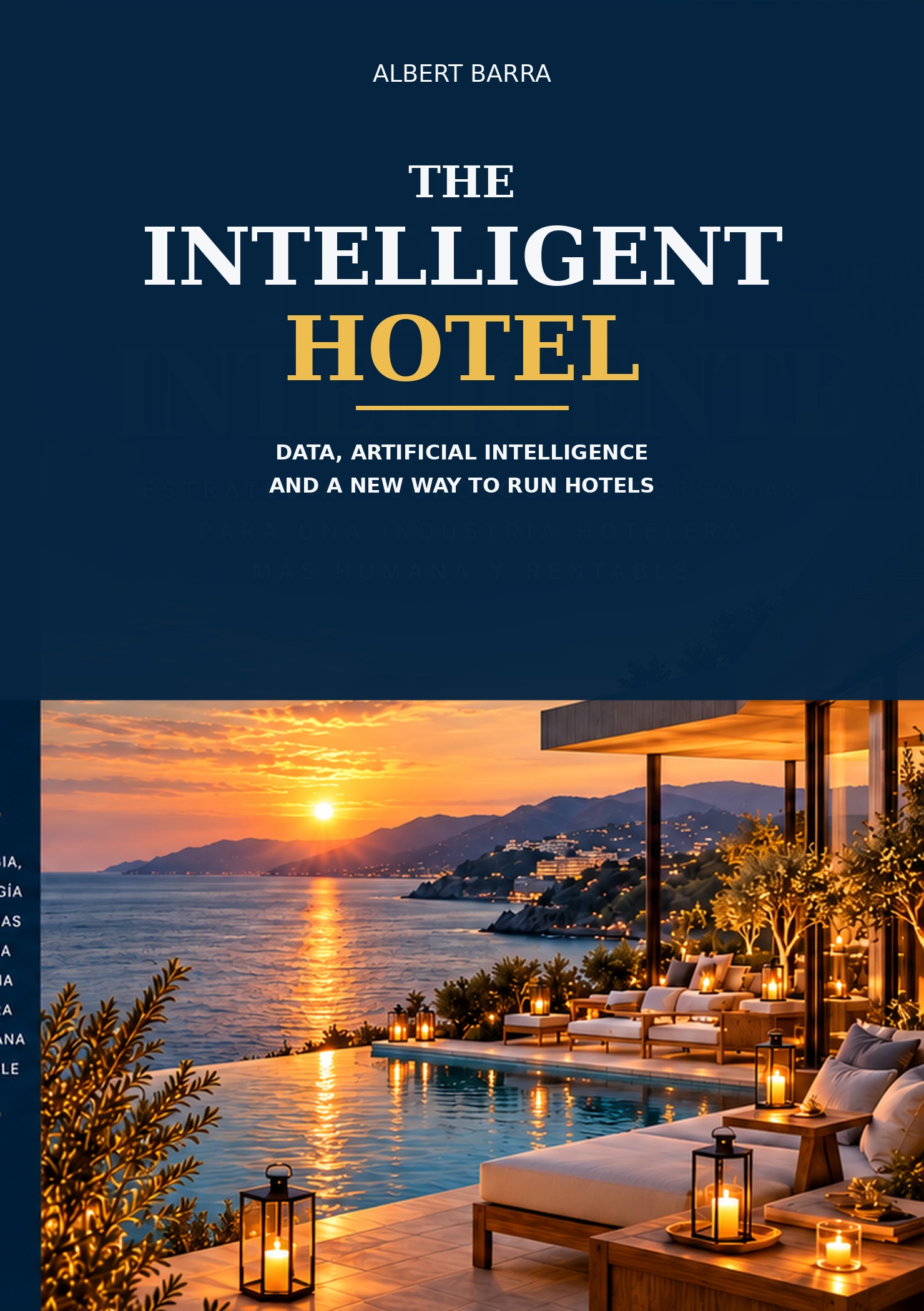 The Intelligent HotelData, Artificial Intelligence and a New Way to Run Hotels
 Directing HotelsWhat Nobody Tells You Before You Sit in the General Manager’s Chair
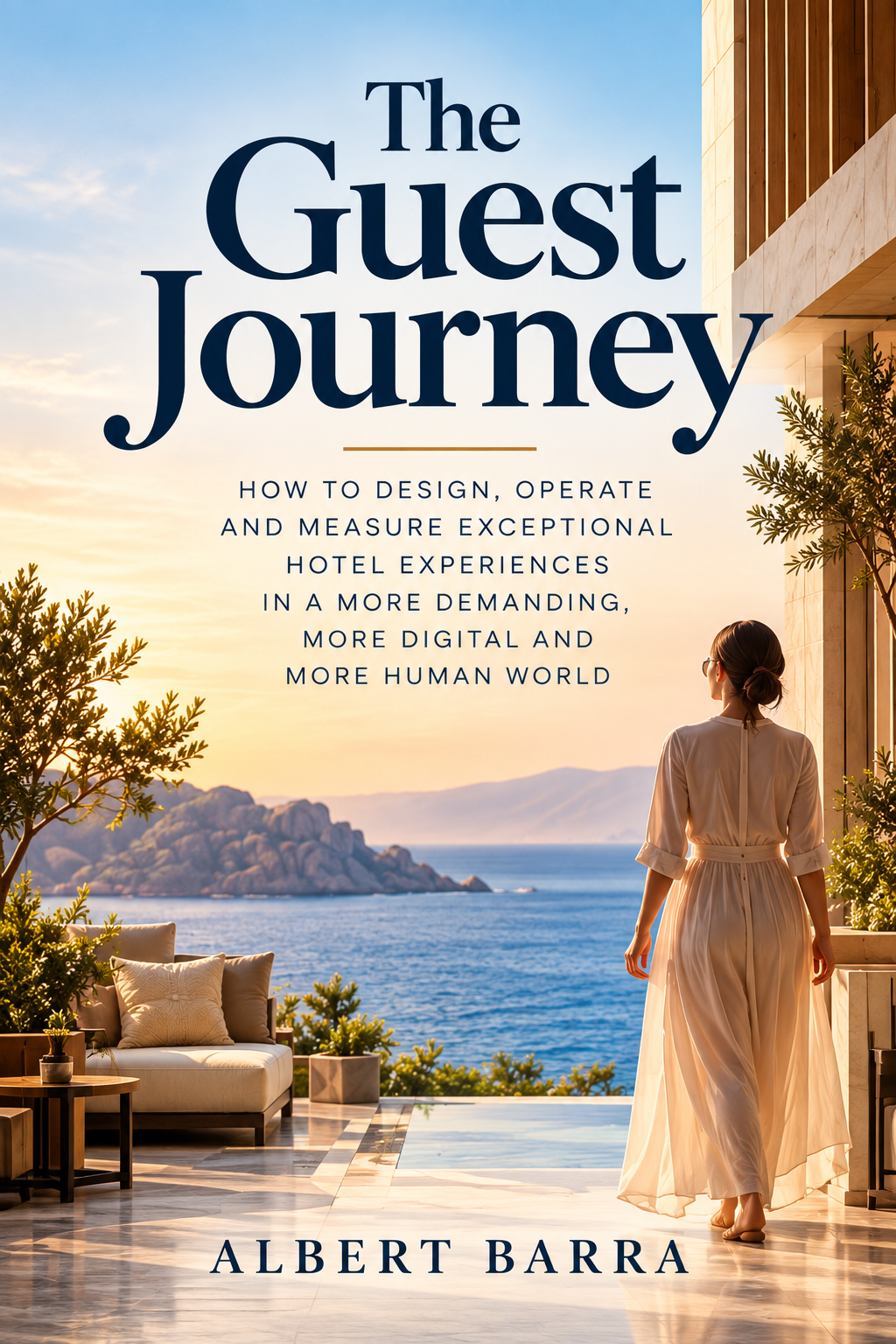 The Guest JourneyDesigning Customer Experience Across the Entire Hotel Journey
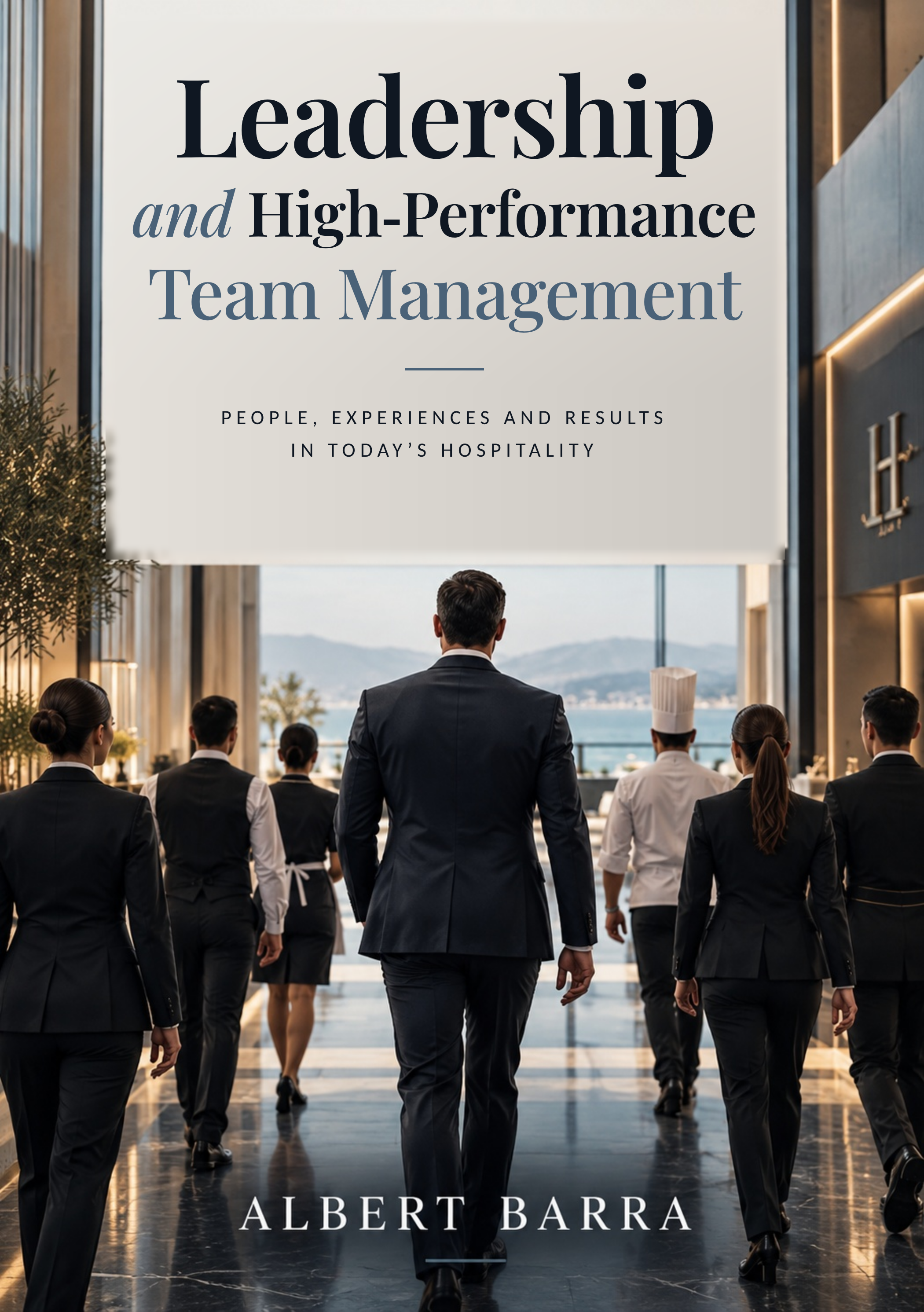 Leadership and High-Performance Team ManagementPeople, Experiences and Results in Today\\\'s Hospitality
Experiential resorts
They can incorporate:
- Higher levels of customization
- Modular experience design
- Adaptable wellness
- Configurable dining
Luxury hotels
They need to balance:
- Invisible personalization
- Limited yet premium customization
- Flawless execution
Lifestyle hotels
They tend to rely more on:
- Emotional identity
- Contextual personalization
- Dynamic experiences
The problem arises when everyone tries to copy models that do not align with their positioning.
Because personalization and customization are not universal trends. They are strategic tools.
Artificial Intelligence is changing everything
The emergence of generative AI and predictive models is completely redefining this conversation.
Because hotels can now:
- Anticipate needs
- Identify emotional patterns
- Optimize recommendations
- Adapt communications in real time
- Automate relevant experiences
And this strongly favours personalization over customization.
Why?
Because guests increasingly expect less effort and greater precision.
They do not want to design their entire experience.
They want the hotel to get it right.
And the more accurately the hotel does so, the greater the perception of luxury, sophistication and exclusivity.
The most frequent mistakes I see in hospitality
1. Believing that more options equal a better experience
Not always.
Sometimes they equal chaos.
2. Implementing customization without operational capability
The result is usually inconsistency.
3. Confusing CRM with personalization
Storing data does not mean understanding guests.
4. Over-automating human interactions
Hospitality remains emotional.
5. Personalizing marketing alone
The experience must be operationally consistent.
6. Failing to train teams
Technology without culture is of no use.
7. Designing experiences that are impossible to scale
Many hotels create handcrafted experiences that are economically unviable.
The true competitive advantage is not in surprising guests
It is in understanding them.
And that difference is enormous.
The hospitality of the future will not necessarily belong to the hotels with the most services, the most amenities or the most visible technology.
It will belong to those capable of reducing emotional friction.
To those that make the guest think:
“This hotel understands me.”
Because that is where loyalty truly begins.
And, interestingly, it usually depends less on visible luxury and more on invisible operational intelligence.
True hotel sophistication does not consist of offering endless possibilities. It consists of offering exactly the right thing at the right time.
And that requires leadership, strategic vision and a far deeper understanding of human behaviour than of the hotel product itself.

PERSONALIZATION vs CUSTOMIZATION IN HOSPITALITY
Two distinct strategies that transform the guest experience
| Personalization | Customization |
|---|---|
| Who is in control?
• The hotel anticipates • Data-driven • Automatic experience |
Who is in control?
• The guest configures • Choice-driven • Manual experience |
| Main objective
• Relevance • Convenience • Friction reduction |
Main objective
• Flexibility • Freedom • Individual adaptation |
| Operational impact
• More scalable • More efficient • Requires data intelligence |
Operational impact
• More complex • More costly • Requires human coordination |
| What the guest perceives
“They understand me” |
What the guest perceives
“I can choose” |
| Main risk
• Misinterpretation of data |
Main risk
• Too many options • Operational inconsistency |
The hospitality of the future will not be about offering more options. It will be about offering better decisions.
This article ends here. The archive does not.
Lead Hospitality brings together 1200 English articles published since 2018: years of experiences, decisions and lessons you can keep exploring.
What would you like to explore next?
Choose a direction and keep reading around what you want to solve, learn or challenge.