Lead Hospitality

Redefining Hotel Guest Loyalty

THE IDEA

Hotel guest loyalty needs to be redefined beyond repeat stays and points programmes. Building emotional connections through meaningful guest interactions can turn loyal guests into advocates who actively choose your hotel over competitors.

Customer Loyalty has been discussed several times on these pages. The current historical context, characterised by constant change, compels us to continually rethink the very essence of our business—not merely its form, but the definition of the concepts that have accompanied us until now and that we sometimes take for granted. Just as some time ago I distinguished between guests and customers in a two-part series on the blog, I would like to arrive at a definition of what a loyal customer is today, or at the very least, what customer loyalty means. Customer Loyalty must be defined from two perspectives.
  • The first—and the one traditionally conveyed to us—is based on the customer’s own habits and behaviour; in other words, on consumption and frequency.
  • The second is viewed from the emotional perspective, through the bonds created between our hotel and that customer.
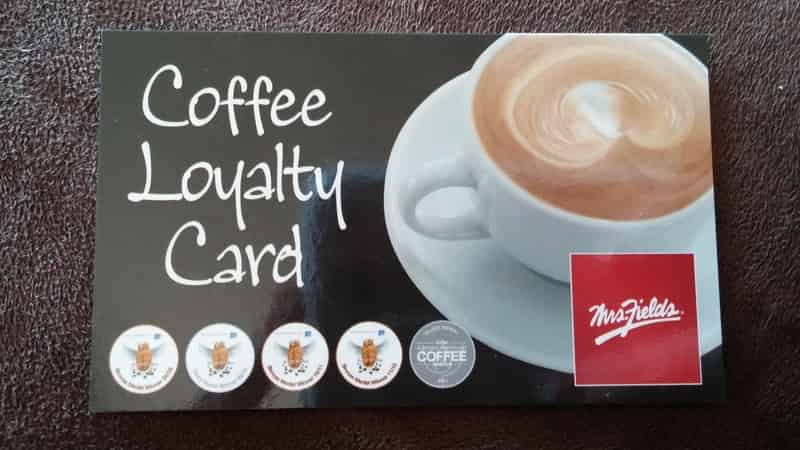
In the vast majority of cases, the only formula with relative success in retaining customers who are loyal through their behaviour has been Loyalty Programmes, or points programmes. Hotel Chain Loyalty Programmes have proved, in most cases, to be a failure in their essence, insofar as they have prioritised customer loyalty solely through the second of the aspects described: customer behaviour. These are points programmes that have clearly built loyalty to the points rather than to the brand itself. It is clear that the usual practice among frequent travellers is to enrol in each and every loyalty programme available, and to use the points programme according to the hotel selected for a particular stay. This means that the Loyalty created with the customer is cyclical and relative, with its highest level being reached when the customer is close to earning enough points to obtain their desired reward. It is precisely at that moment that loyalty enters a critical, high-risk stage. Once customers have redeemed their points, they become highly susceptible to another brand or loyalty programme offering new incentives. The key to the limited degree of loyalty generated by such programmes lies in the weak emotional bond between brand and customer. Even so, it is possible to create emotional ties with loyalty programme members, as major chains such as Starwood and Hilton have demonstrated. From an emotional perspective, we could say that a loyal customer is so convinced that our product meets their expectations that they automatically rule out our competitors when deciding on a hotel. This is what we might call the Emotionally Loyal Customer. This emotionally loyal customer is not sensitive to minor price variations and actively participates in the conversation, making them an excellent advocate for our product, while also enabling us to improve our offering and service standards. It is true that analysing the information collected through frequency programmes can yield insights to improve service levels and enhance the guest experience. Customer interaction points—reception, restaurant, reservations, and so on—have become key moments for conveying the empathy and emotional value we wish to offer. In reality, they are the only opportunity we have to establish this conversation while the customer is in our hotel. Nevertheless, creativity must lead us to develop moments and places in which we can extend that conversation, which will ultimately enable us to build customer loyalty more effectively.
SUBSCRIBERS ONLY

This full analysis is available to subscribers

Subscribe to continue reading Lead Hospitality analysis, strategies and practical hospitality insight.

Access to subscriber and Premium articles
Practical cases and useful frameworks
Hospitality analysis and industry trends