
Profitable Sustainability: Turning ESG Practices into a Hotel Competitive Advantage

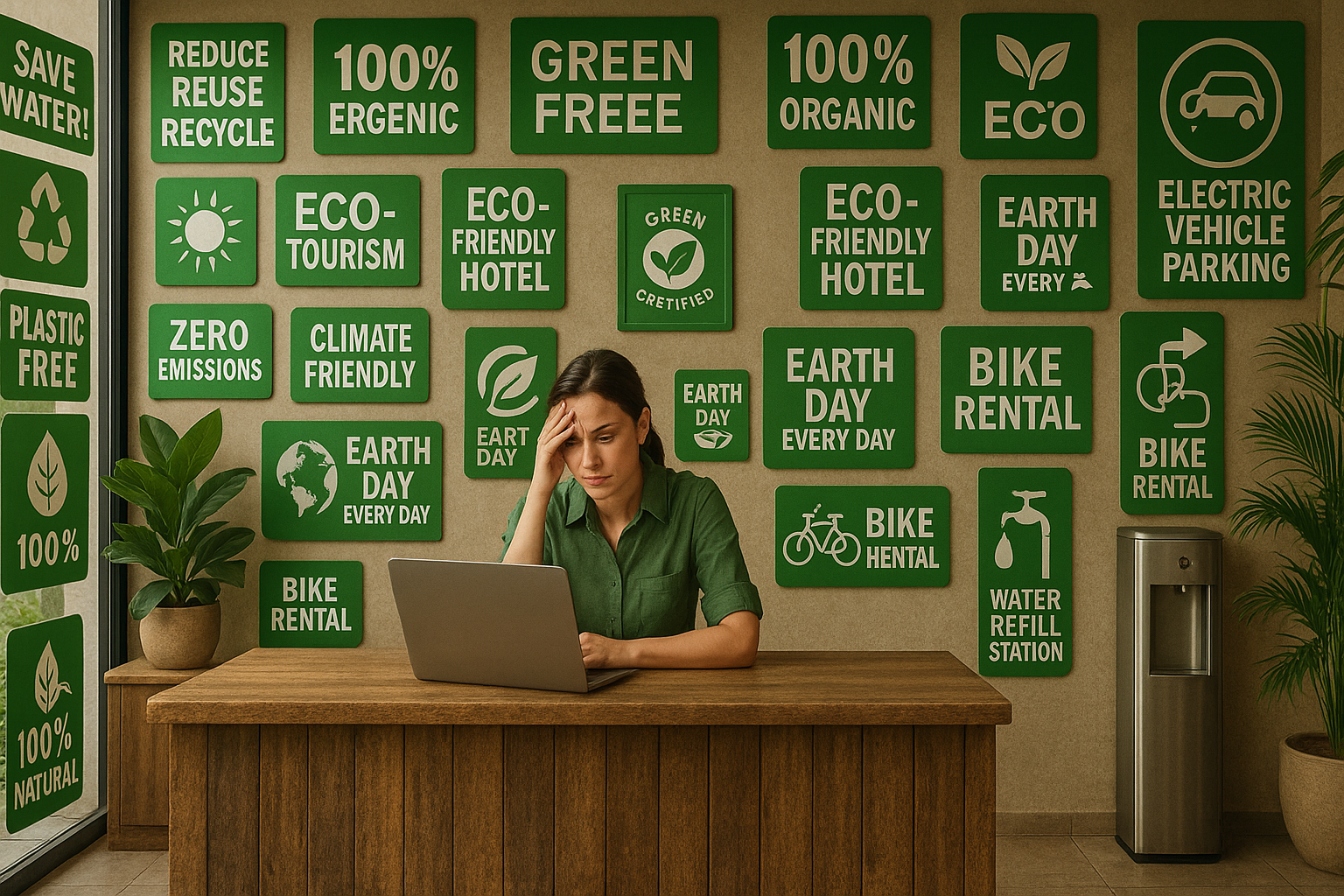

When we begin implementing sustainability policies in a hotel, we are often driven by personal values, ethics or common sense. But if there is one thing I have learned over time, it is that sustainability, far from being an additional cost, can become one of a hotel’s greatest competitive advantages. Provided it is well managed, of course.
Profitable sustainability is not an oxymoron. It is an increasingly tangible reality for those hotels that understand that respect for the environment, people and good governance is not a trend, but a smart, long-term business strategy.
And yet, the challenge remains twofold. On the one hand, integrating ESG criteria (environmental, social and governance) as a core pillar of the hotel operating model. On the other, communicating them credibly, without falling into the trap of greenwashing. Because sustainability is not something you say; it is something you demonstrate. It is not something you boast about; it is something you live.
Sustainability as a value proposition, not a cost
For years, sustainability has been seen as an added expense. But anyone who thinks that way is looking only at the cost side, not the value side. Sustainability creates value. And that value translates into revenue, reputation, savings and differentiation. How?
-
Operational optimisation: Implementing energy-efficiency technologies, waste management and consumption monitoring can considerably reduce a hotel’s fixed costs, particularly for energy and water.
-
Higher ADR and occupancy: Travellers increasingly value staying in hotels committed to social and environmental causes. And they are willing to pay more for it. Sustainability thus becomes a selling point, a brand promise that creates an emotional connection with the guest.
-
Access to financing and investors: Many funds, banks and institutions prioritise projects with clear ESG metrics. A well-defined strategy in this area can open up new avenues for financing and expansion.
-
Talent attraction and retention: Today, working in a purpose-driven environment is a deciding factor for many people. Motivated teams that are aligned with the hotel’s values create a better guest experience.
-
Competitive positioning: In a market where differentiation is not easy, being consistent, transparent and committed to the environment and people can become a decisive factor for guests.
But for sustainability to be a genuine advantage, it must be embedded in the hotel’s culture. It cannot be an add-on, a brochure or an isolated initiative. It must be present in the strategy, training, processes and relationships with all stakeholders.
How to communicate without falling into greenwashing
One of the industry’s most common mistakes is trying to project a sustainable image externally without having done the necessary internal work. Not only is this counterproductive; it can seriously damage a hotel’s reputation.
Here are some practical guidelines for communicating your commitment honestly and effectively:
-
Avoid exaggeration: Do not turn small gestures into major achievements. Replacing straws or reducing plastics is positive, but do not make it the focus of your message. Communication must be aligned with the scale of the actions.
-
Use data, not promises: Vague claims such as “we are committed to the environment” are no longer enough. Share figures, targets, indicators and progress. Be specific.
-
Internal consistency: Everything you communicate externally must be reflected in your internal operations. If you say you are reducing emissions, your staff should know about it and put it into practice. If you talk about inclusion, your workforce should be diverse. Sustainability starts at home.
Lead Hospitality LibrarySee the booksBooks to run a hotel with judgement
Written from the general manager’s chair: technology, guest experience, leadership and management.
 Directing HotelsWhat Nobody Tells You Before You Sit in the General Manager’s Chair
 The Intelligent HotelData, Artificial Intelligence and a New Way to Run Hotels
 Leadership and High-Performance Team ManagementPeople, Experiences and Results in Today\\\'s Hospitality
 The Guest JourneyDesigning Customer Experience Across the Entire Hotel JourneyDigital edition · Personal licence · Free or discounted for subscribersSee all books →
-
Transparency about shortcomings and lessons learned: Nothing is more credible than a hotel that acknowledges what it still has to do. Sharing challenges and improvement plans builds trust.
-
Participatory voice: Invite your team, guests and community to be part of your ESG strategy. They are not an audience to be informed; they are allies.
-
Purpose-driven storytelling: Do not sell sustainability. Tell stories. Talk about the people you impact, the decisions you have made and the values that guide you. Inspire emotion without manipulating.
The key is to understand that communicating sustainability is not an act of marketing, but an act of leadership. It is not about glossing over reality, but about showing it. And that requires authenticity, commitment and a coherent strategy.
Close the gap between what you do and what you say, and you will be building not only a strong brand, but also a community of guests, employees and suppliers who believe in you.
One piece of advice to get started (or improve):
-
Review your operations through an ESG lens. Where can you reduce impact, create greater social value or improve governance?
-
Define your key indicators. Measure. Assess. Adjust.
-
Share progress regularly. Even if it is small. Even if it is not perfect.
-
And most importantly: listen. To your team, your guests and your environment. Profitable sustainability is not a fixed formula. It is an ongoing dialogue.
Because hotels that commit to sustainability do not just care for the planet and people. They are also safeguarding their future.
This article ends here. The archive does not.
Lead Hospitality brings together 1200 English articles published since 2018: years of experiences, decisions and lessons you can keep exploring.
What would you like to explore next?
Choose a direction and keep reading around what you want to solve, learn or challenge.