
Reinventing the Hotel Guest Experience

Albert BarraFebruary 26, 2019 · 3 min read
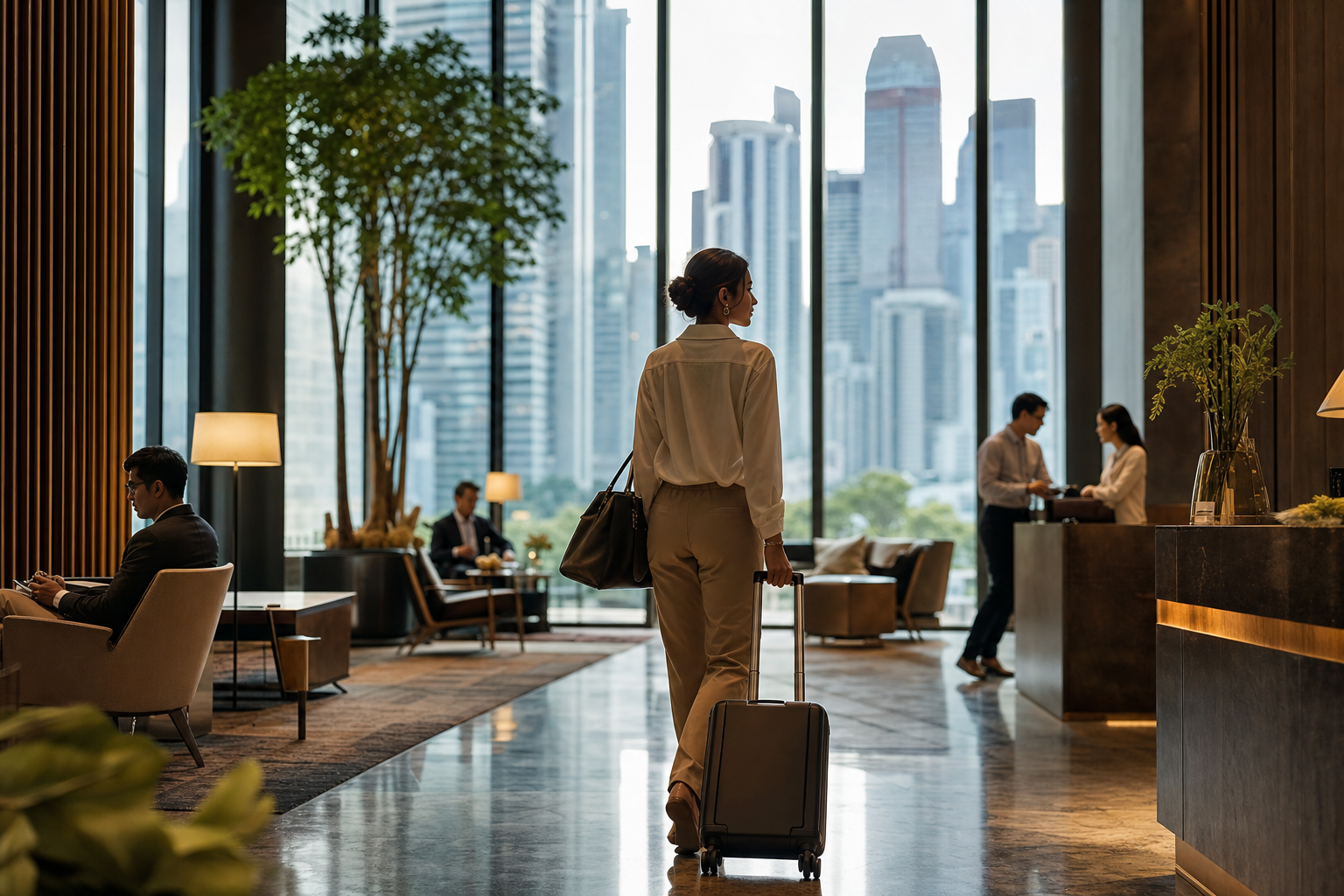

The convergence of external trends and guest demands is increasing pressure on hotels to think broadly about how to deepen guest engagement and extend the hotel experience beyond the stay.
Traditionally, the hotel experience has been limited to whatever a guest encounters within the property's four walls. But as travellers’ needs and expectations have changed and new competitive threats have emerged, hotel companies must begin to think beyond the traditional hotel model to offer new types of experiences.
The environment in which hotels operate is more complex than ever. Hotel companies must juggle the needs of numerous stakeholders, integrate an evolving range of emerging technologies, manage their teams and guard against external factors shaping trends.
 Intermediaries, home-rental service companies such as Airbnb and HomeAway, and technology apps are disrupting the hotel market by offering travellers more dynamic solutions based on their needs. Consumers understandably expect the hospitality industry to provide seamless and predictable consumer experiences like those they receive from Uber and Amazon. And every day, a host of social, mobile, analytics and cloud capabilities emerge, increasing the imperative for hotels to raise their game.
To thrive in this environment, hotels are evolving not only by improving their product offering, but also by leveraging emerging technology solutions to play a much broader role in their customers’ lives.
A convergence of factors underpins several recent trends for hotel companies to consider:
Intermediaries, home-rental service companies such as Airbnb and HomeAway, and technology apps are disrupting the hotel market by offering travellers more dynamic solutions based on their needs. Consumers understandably expect the hospitality industry to provide seamless and predictable consumer experiences like those they receive from Uber and Amazon. And every day, a host of social, mobile, analytics and cloud capabilities emerge, increasing the imperative for hotels to raise their game.
To thrive in this environment, hotels are evolving not only by improving their product offering, but also by leveraging emerging technology solutions to play a much broader role in their customers’ lives.
A convergence of factors underpins several recent trends for hotel companies to consider:
Intermediaries, home-rental service companies such as Airbnb and HomeAway, and technology apps are disrupting the hotel market by offering travellers more dynamic solutions based on their needs. Consumers understandably expect the hospitality industry to provide seamless and predictable consumer experiences like those they receive from Uber and Amazon. And every day, a host of social, mobile, analytics and cloud capabilities emerge, increasing the imperative for hotels to raise their game.
To thrive in this environment, hotels are evolving not only by improving their product offering, but also by leveraging emerging technology solutions to play a much broader role in their customers’ lives.
A convergence of factors underpins several recent trends for hotel companies to consider:
All customers now have millennial expectations
Travellers of all generations are adopting elements of the millennial mindset. It is no longer only twenty-somethings who crave personalisation, digitalisation and authentic experiences.The hotel experience is expanding
The hospitality experience is no longer limited to what happens within the hotel’s boundaries. Companies must begin building connections with travellers before they arrive, throughout their stay and beyond.The brand is no longer the main point of differentiation
At a time of significant brand proliferation, customers are not necessarily choosing hotels based on brand promises and relevance. An explosion of new offerings and solutions has created confusion among travellers. In the past, hotel companies competed for customer loyalty by creating standardised experiences for frequent travellers. Today, that approach is changing, forcing hotels to offer unique experiences for their guests. In doing so, hotels are introducing new solutions and processes to deliver more distinctive value.The hotel as integrator
To understand how travellers’ needs and preferences are likely to evolve. Unknown needs are services they may not know they want, but are likely to expect within the next two to five years. Even in the face of new competitive threats, evolving customer preferences and emerging technology, much of what delights hospitality customers still involves a human touch, and it is not far-fetched to think that a hotel is an integrator of experiences, people, culture, spaces and processes.The hotel as experience provider
Customers are no longer looking for a place to spend the night. They are seeking moments and meaning. Hotels can facilitate those experiences, enabling guests to explore activities they might otherwise not consider.The hotel as affinity matcher
A hotel brand is also an integrator of people. Today’s traveller is looking for opportunities to learn, share experiences and connect. Marriott, for example, created an app to connect guests with common interests. Other hotels are redesigning communal areas to encourage greater interaction among guests.The hotel as neighbour
As cultural integrators, hotels can attract the local community. There is no need to mention the role a hotel plays in attracting local business owners and neighbours, enabling interaction between the neighbourhood’s permanent and temporary residents.[ " "]