
Smart Hotel Personalization: From Big Data to Guest Intelligence



Today’s traveller is more demanding, better informed and far less tolerant of generic experiences. They are accustomed to platforms that recommend content, products or restaurants with remarkable accuracy. Naturally, they expect the same level of personalisation when booking a hotel.
And this raises a fundamental question: how can a hotel increase its conversions and profitability without entering into price wars? The answer remains the same as it was years ago, but today it is more powerful than ever: intelligent personalisation based on in-depth guest knowledge.

The Era of Guest Intelligence: Far More Than Data
Modern hospitality has entered a new phase in which simply storing information is no longer enough. What truly matters is building a holistic view of the guest.
Today’s systems can identify patterns that, only a few years ago, were invisible:
- Travel motivations: a guest seeking to switch off is not the same as one travelling for work, a special celebration or a specific need.
- Purchasing behaviours: which services they book, how long they spend on the website, which room types they view or which extras they tend to purchase.
- Experience preferences: gastronomy, wellness, sporting activities, local culture, romantic getaways or exclusive offerings.
- Price sensitivity: not all guests respond in the same way to discounts, upgrades, experiential packages or added benefits.
- Preferred communication channels: email, WhatsApp, mobile apps, traditional telephone service or face-to-face communication.
Personalisation is no longer simply about addressing a guest by name in an email. That ceased to be a differentiator a long time ago.
The new personalisation is about anticipating needs.
When guests feel that a hotel understands exactly what they are looking for, the conversation stops being about price and starts being about value.
Various industry studies have indicated that personalisation strategies can increase conversion rates by between 10% and 30%, while also improving average spend per stay and guest loyalty. But, as I always say, data alone does not book rooms. What books rooms is a well-crafted, well-communicated and well-executed proposition.
That is why I prefer to speak of Guest Intelligence rather than Big Data. Big Data sounds vast, technical and somewhat cold. Guest Intelligence, on the other hand, requires us to look at data through the lens of hospitality: what do we know about the guest, what can we do with that knowledge, and how can we improve their experience without invading their privacy or becoming that overly intense waiter who appears just when someone wanted to be left alone?
The key is to turn information into operational and commercial decisions. It is not enough to know that a guest has previously booked a superior room. We must ask what that means: do they value space? Are they looking for views? Are they travelling as a couple? Are they celebrating something? Do they respond well to an upgrade? Do they prefer peace and quiet? Do they use the spa? Do they book the restaurant?
That is where true personalisation begins.
A hotel that understands these patterns can improve its hotel marketing, its revenue management strategy, its direct sales, its guest experience and its profitability. All at the same time.
How to Apply Intelligent Personalisation to Every Guest Segment
The most effective personalisation is that which feels natural and useful to the guest. It is not about creating a hundred packages that are impossible to manage, but about designing propositions flexible enough for every guest to feel that something has been created with them in mind.
1. Leisure Travellers: Design Experiences, Not Rooms
One of the most common mistakes is to sell accommodation alone. Leisure guests want to experience something memorable.
Hotels should therefore develop propositions based on genuine interests:
- Gastronomic getaways: experiences connected to local produce, tasting menus, tastings or culinary routes around the destination.
- Wellness programmes: treatments, spa, rest, switching off, restorative sleep and wellbeing offerings tailored to the guest profile.
- Cultural experiences: authentic recommendations, carefully selected visits, heritage-related activities and offerings that move beyond generic tourism.
- Sport and nature activities: hiking, cycling, sea, mountains or outdoor experiences for active guests.
- Flexible packages: options that allow guests to configure part of their stay and feel that they are not purchasing a fixed product, but a tailor-made experience.
The key is to allow every guest to build their own experience. When guests take part in shaping their stay, their emotional engagement increases, as does their willingness to pay more.
2. Business Travellers: Productivity and Wellbeing
Today’s corporate traveller is no longer simply looking for a bed to sleep in. They want to optimise their time.
Some high-value offerings may include:
- Simplified check-in and check-out: less waiting, less friction and greater control over their time.
- Adapted workspaces: strong connectivity, quiet areas, privacy and genuine comfort.
- Post-work wellness services: spa, massage, gym, healthy dinner or restorative rest.
- Efficient dining options: balanced menus, fast service and suitable opening hours.
- Short destination-discovery activities: one- or two-hour options for those who want to make the most of their trip without overcomplicating it.
Here, personalisation means removing friction and maximising convenience. A business traveller is not always seeking luxury. They are often looking for something much more valuable: for everything to work.
3. Families: Reducing Stress and Creating More Memories
When a family travels, logistics become a fundamental part of the experience. Hotels that understand this can differentiate themselves enormously.
- Personalised itineraries by age group: travelling with young children is not the same as travelling with teenagers.
- Specific recommendations: family activities, suitable restaurants, convenient schedules and realistic plans.
- Adapted services: connecting rooms, cots, children’s menus, specific amenities or logistical support.
- Time for parents: offerings that also allow for moments of adult relaxation.
- Shared experiences: activities that create lasting memories rather than simply filling time.
Family personalisation is about making everything easier. When a hotel reduces a family’s stress, it gains far more than a booking: it earns gratitude.
4. Couples and Celebrations: Sell Emotion, Not Add-Ons
Some guests do not book a room: they book an intention. An anniversary, a proposal, a romantic getaway, a reconciliation or simply two days to remember that life also needs pauses.
In these cases, the hotel must work with particular sensitivity:
- Personalised pre-arrival messages: discreet, elegant and designed to facilitate the occasion.
- Emotional touches: a special welcome, cava, flowers, amenities, a handwritten note or a dining proposal.
- Experiential upselling: a superior room, views, a private spa, a couples’ massage or a special dinner.
- Privacy: one of the most sophisticated forms of hospitality.
Emotion, when handled well, converts far better than a discount. And it also leaves a more lasting memory.
5. Personalisation as a Revenue Management Strategy
There is a common mistake in many hotels: viewing personalisation solely as a marketing tool.
Books to run a hotel with judgement
Written from the general manager’s chair: technology, guest experience, leadership and management.
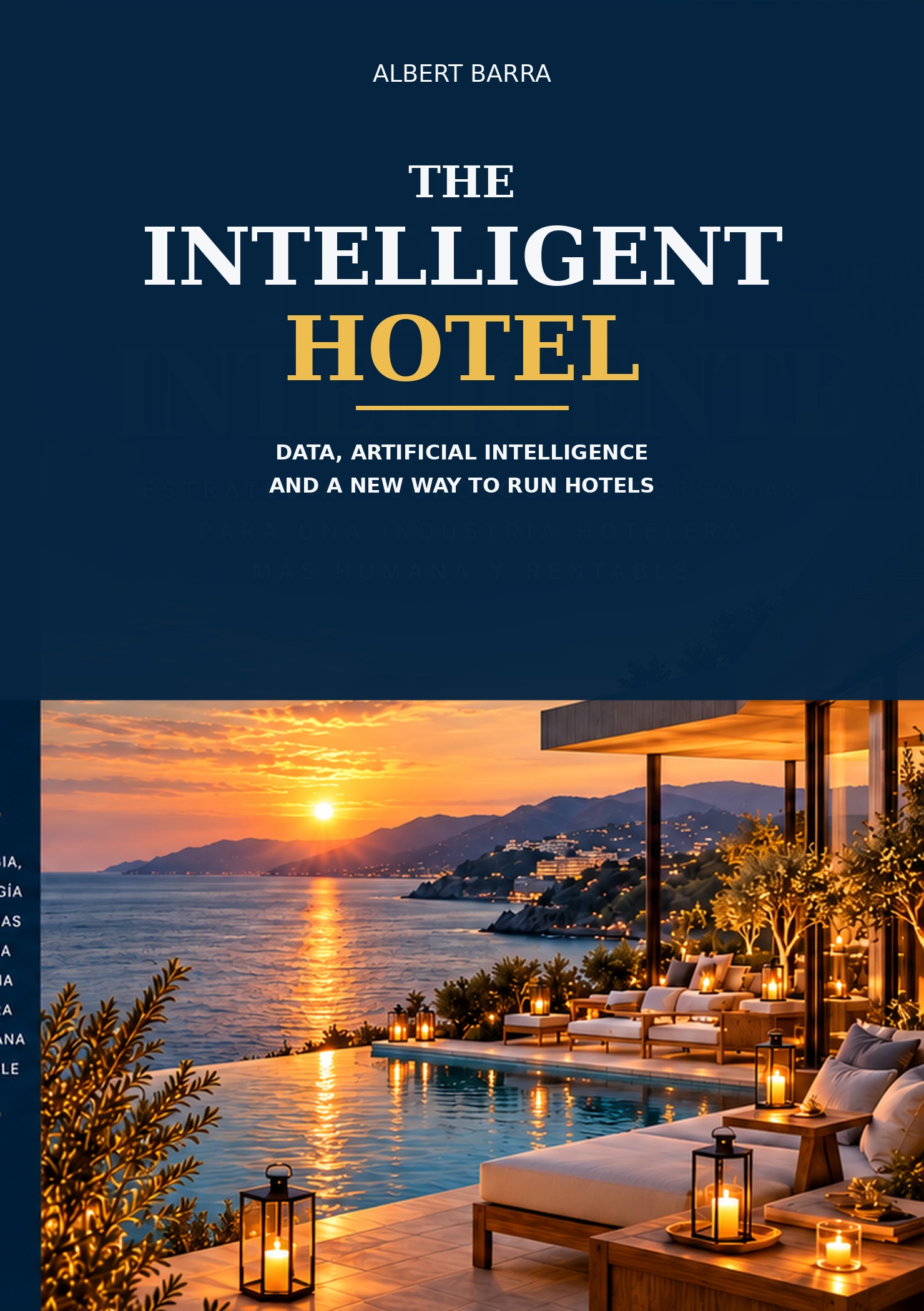 The Intelligent HotelData, Artificial Intelligence and a New Way to Run Hotels
 Directing HotelsWhat Nobody Tells You Before You Sit in the General Manager’s Chair
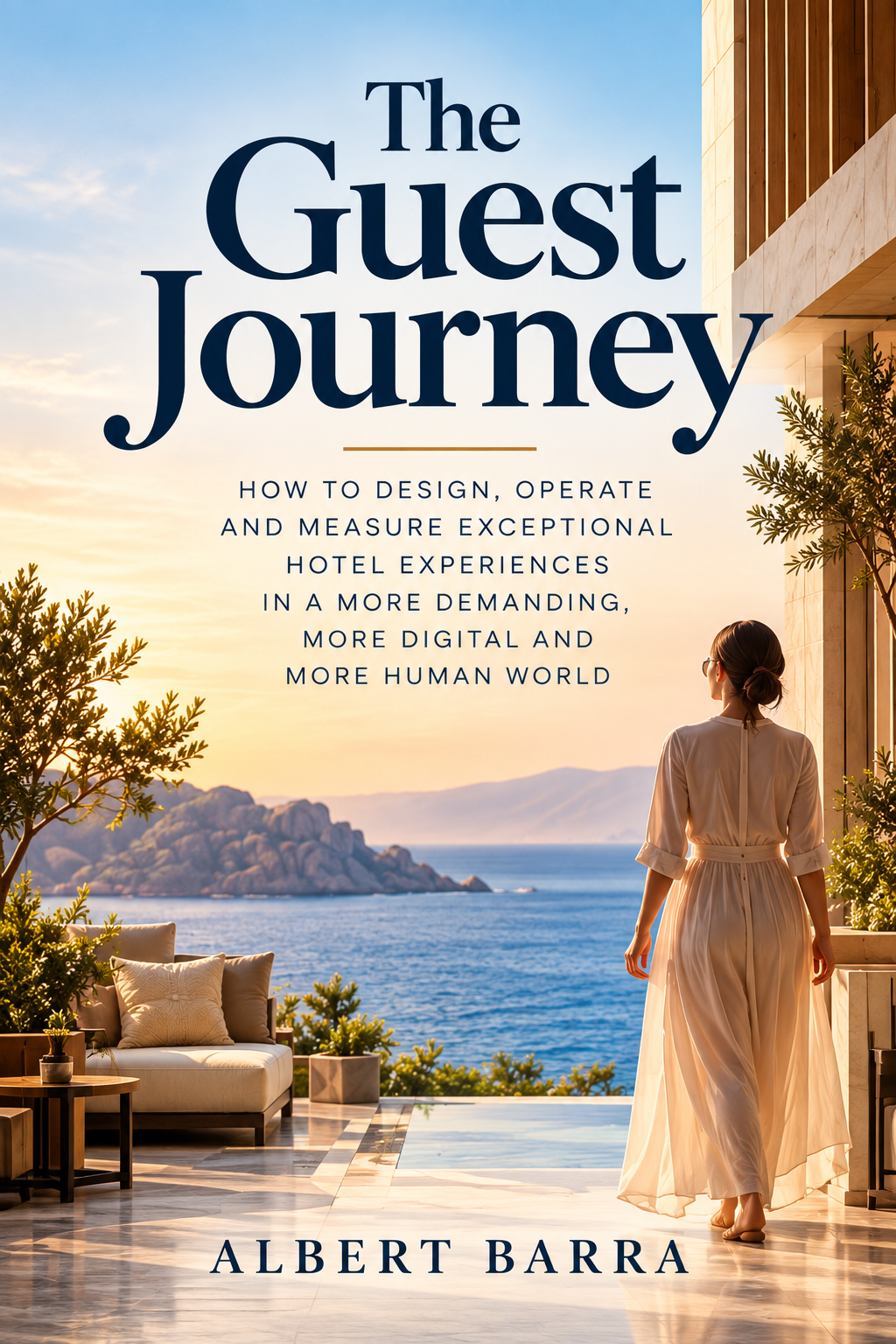 The Guest JourneyDesigning Customer Experience Across the Entire Hotel Journey
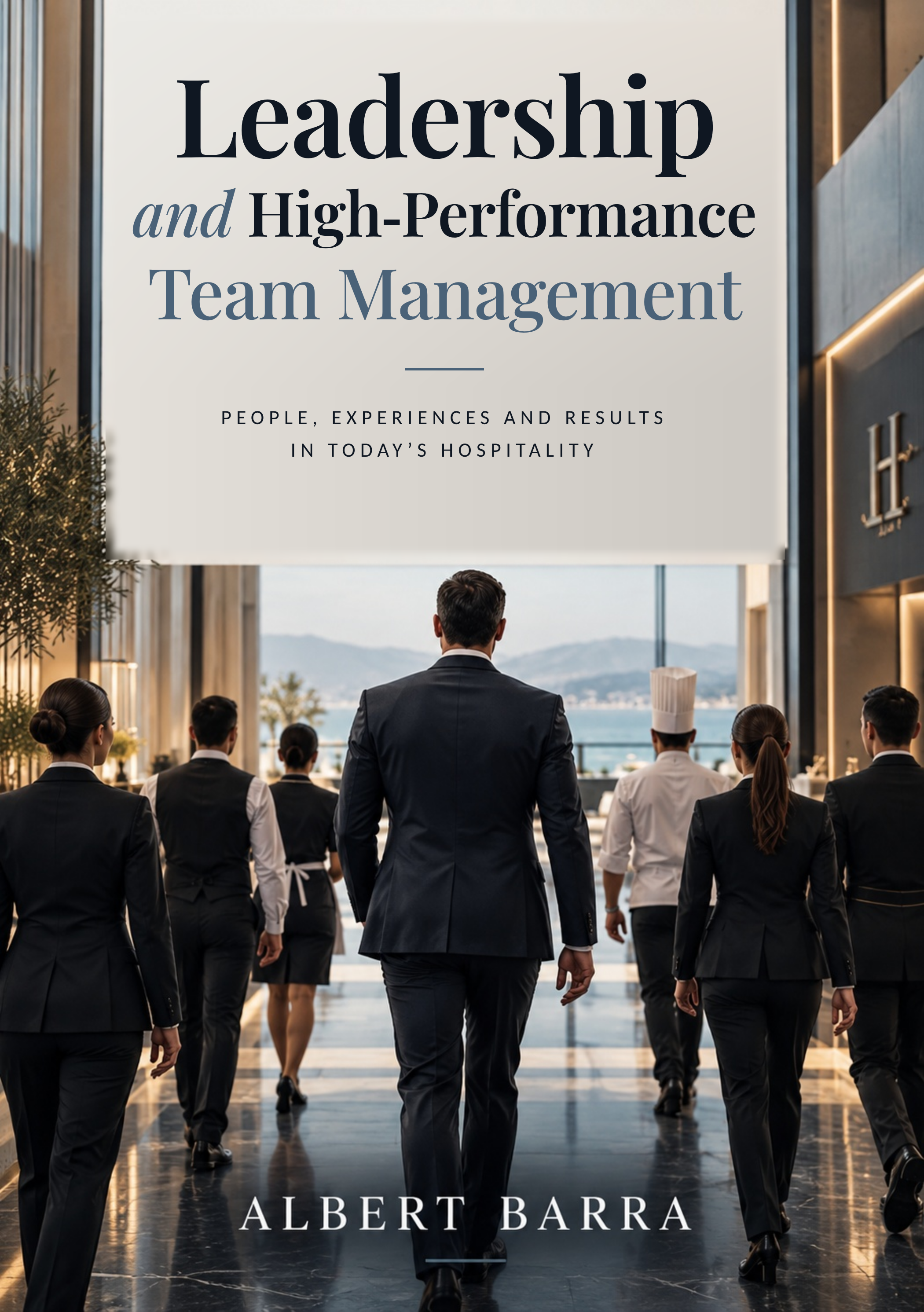 Leadership and High-Performance Team ManagementPeople, Experiences and Results in Today\\\'s Hospitality
In reality, it is one of the most powerful Revenue Management strategies available.
When a hotel understands its guests better, it can:
- Increase direct conversion through more relevant propositions.
- Increase spend on ancillary services through well-segmented offers.
- Reduce dependence on discounts by raising perceived value.
- Improve guest loyalty by building a more meaningful relationship with the guest.
- Increase customer lifetime value through repeat stays, recommendations and higher cumulative spend.
The logic is simple. A guest who perceives a proposition designed specifically for them is far more willing to book, spend and return.
That is why personalisation should no longer be understood as a tactical action. It is a business strategy.
A sound personalisation approach can influence the entire conversion funnel:
- Inspiration: content tailored to genuine travel motivations.
- Consideration: clear, distinctive propositions aligned with the guest profile.
- Booking: a simple booking engine, relevant packages and value-led messaging.
- Pre-stay: upselling and cross-selling based on likely needs.
- Stay: attentive, consistent and personalised service without being intrusive.
- Post-stay: follow-up, appreciation, online reputation and future propositions.
Conversion does not begin with the booking engine. It begins with the hotel’s ability to be more relevant than its competitors.
6. The Risk of Misunderstood Personalisation
Not all personalisation creates value.
Many initiatives fail because they are perceived as intrusive, artificial or simply clumsy. Guests do not want to feel that the hotel knows too much. They want to feel that the hotel understands enough.
The key is to find the balance between:
- Usefulness: ensuring information serves to improve the experience.
- Relevance: ensuring the proposition makes sense for that particular guest.
- Privacy: ensuring the guest retains control and trust.
- Transparency: ensuring the hotel acts with clarity and respect.
Guests are willing to share information when they see a clear benefit. They do not want to feel watched. They want to feel understood.
And that difference is enormous.
In a context where technology, automation and artificial intelligence make it possible to understand guests ever more deeply, the true competitive advantage will remain profoundly human. Technology helps gather information; hospitality transforms that information into memorable experiences.
I have seen on many occasions that the hotels with the strongest conversion are not necessarily those with the most data, but those that use data to make better decisions. Nor are they always the hotels that offer the most services, but those that offer the right services to each guest.
Because, ultimately, behind every booking, every click and every stay, there is still a person looking for something very simple: to feel that they have chosen the right hotel.
And when a guest feels that a hotel has been designed for them, conversion stops being a question of price and becomes a question of trust.
My advice is to start with something very specific: review your main guest segments and ask yourself what specific proposition you are offering each one. If the answer is the same for everyone, you are probably not personalising; you are simply selling rooms under different names.
Then analyse your data through a hospitality lens. Do not look only for statistical patterns. Look for human signals: why they book, when they book, what they value, what they consume, what they appreciate and what they remember. That is often where the information that truly converts is hidden.
And finally, do not forget that personalisation should feel elegant, not insistent. A good hotel does not chase guests with offers. It opens timely doors for them. And when that happens, selling stops feeling like selling and becomes what it should never have ceased to be: hospitality properly understood.
This article ends here. The archive does not.
Lead Hospitality brings together 1200 English articles published since 2018: years of experiences, decisions and lessons you can keep exploring.
What would you like to explore next?
Choose a direction and keep reading around what you want to solve, learn or challenge.