
Sun Tzu for Hotels: Strategic Thinking and Visionary Leadership

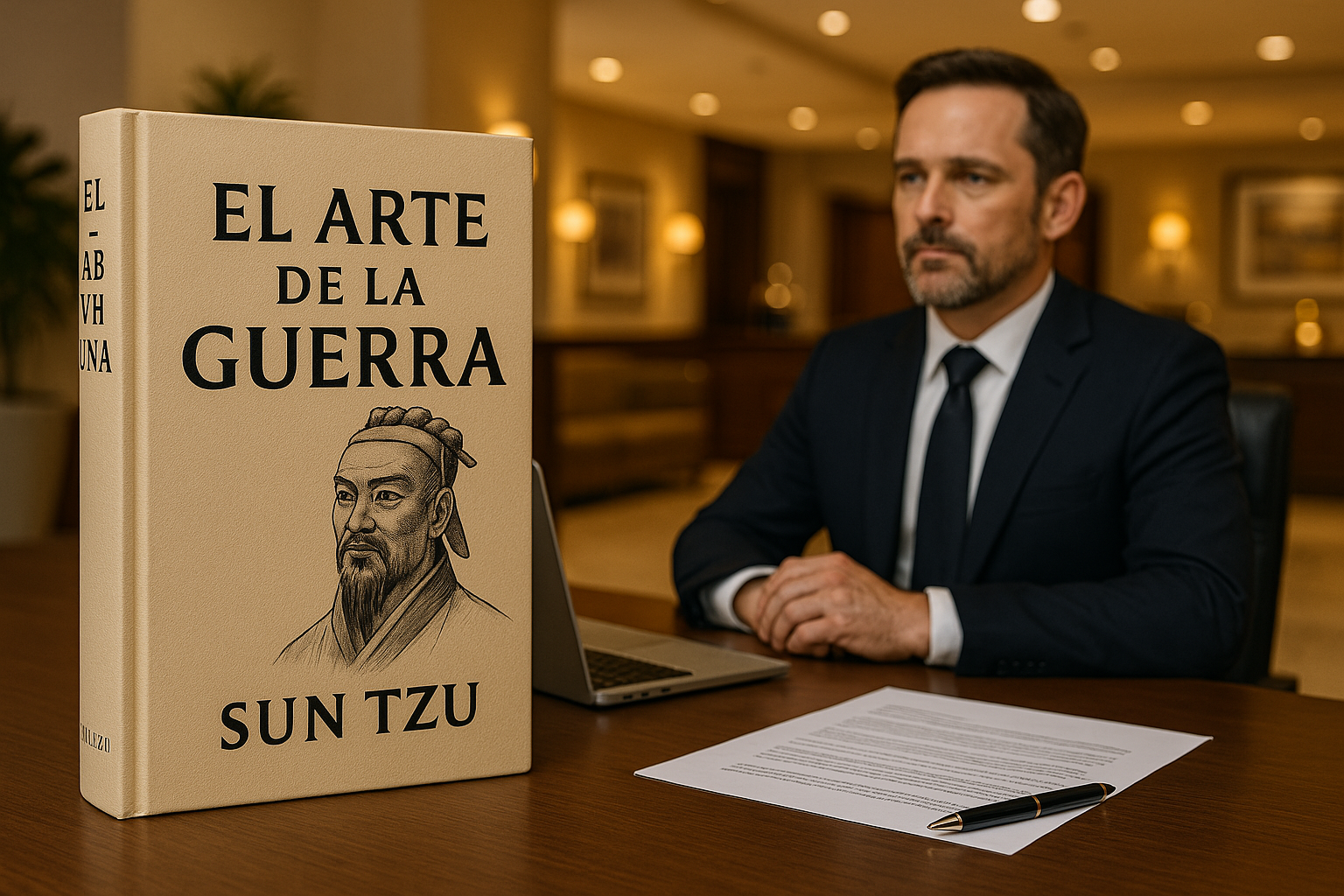

I have read The Art of War more times than I can count. Not as a treatise on combat, but as a strategic compass for navigating the complex, competitive and ever-changing world of modern hospitality. Because, at the end of the day, running a hotel is not all that different from a battle… except when it is.
Every peak season resembles a campaign. Every new competitor in the market calls for a recalibration of our approach. Every dissatisfied guest is a warning of vulnerability. And as Sun Tzu says, “the supreme art of war is to subdue the enemy without fighting”. In our case, that means gaining market share, building guest loyalty and standing out without resorting to price wars that destroy value.
The ancient wisdom of this Chinese strategist finds an unexpected resonance in today’s hotel world. At its core, his message is not one of violence, but of knowledge, anticipation and self-mastery. These are principles that not only help us manage a hotel better, but also lead people, manage resources and make clear-headed decisions amid chaos.
I am often asked whether a text written 2,500 years ago can truly be applied to an industry where we talk about AI, sustainability, CX, digital distribution and revenue management. The answer is yes. Human nature has not changed all that much, and the principles of strategy, when properly understood, are as relevant to a military operation as they are to repositioning a boutique hotel.
In this article, I want to share how some of Sun Tzu’s key concepts can help us make better decisions in hotel management and strategy. This is not about forcing analogies, but about understanding the essence of his thinking: adaptability, vision, planning, leadership… sound familiar? Let’s begin.
Hotel strategy with a Sun Tzu mindset
Below, I present a series of lessons from The Art of War, translated into the language of hospitality and applicable to our day-to-day reality.
1. “Know yourself and know your enemy”
-
-
Ongoing hotel self-assessment: Do you know your operational weaknesses? Do you know what your guests really think? Do you have reliable data on your online reputation, NPS and satisfaction scores by segment?
-
Realistic competitive analysis: Who is your true competitor? It is not the hotel with more stars, but the one that appeals to the same guest profile as you. The key here is to never underestimate your rival or overestimate your own strengths.
-
Smart use of benchmarks: Metrics such as the RevPAR Index, Market Penetration Index and sentiment score are your strategic radar. Use them rigorously.
-
2. “All warfare is based on deception”
-
-
Differentiate without entering a direct battle: You do not always need to compete on price or visibility on OTAs. Sometimes, a well-told value proposition or a distinctive experience can gain more ground.
-
Subtle repositioning: Changing perception without making a fuss is more effective than announcing it with great fanfare. A shift in narrative can achieve more than a physical refurbishment.
-
Deterrence strategies: Sometimes it is worth appearing stronger than you are. Well-managed branding, influencer marketing and strategic partnerships can make you seem out of reach.
-
3. “Victory belongs to the one who knows when to fight and when not to fight”
-
-
Not all segments are profitable: Do not fight for the group market if your product is not designed for it. Knowing when to say no to certain target markets is a sign of strategic maturity.
-
Avoid overinvesting in the low season: Rather than launching aggressive promotions, perhaps the moment calls for internal training, process optimisation or refurbishments that enhance future value.
-
Rate flexibility as a shield: Revenue management is not merely about raising or lowering prices; it is about knowing when to stop selling certain rooms in order to maximise overall profitability.
-
4. “The greatest victory is to win without fighting”
-
-
Genuine loyalty: Guests who return, recommend you and choose you without the need to compete for them across mass distribution channels. The key? Memorable experiences, human connection and operational consistency.
-
Team advocacy: A team that believes in its purpose and has autonomy and the right tools is an unbeatable army. Internal motivation is the real battlefield.
-
Building a brand from the inside out: If your team does not believe in your brand, neither will your guests. It is not about a logo; it is about a culture.
Lead Hospitality LibrarySee the booksBooks to run a hotel with judgement
Written from the general manager’s chair: technology, guest experience, leadership and management.
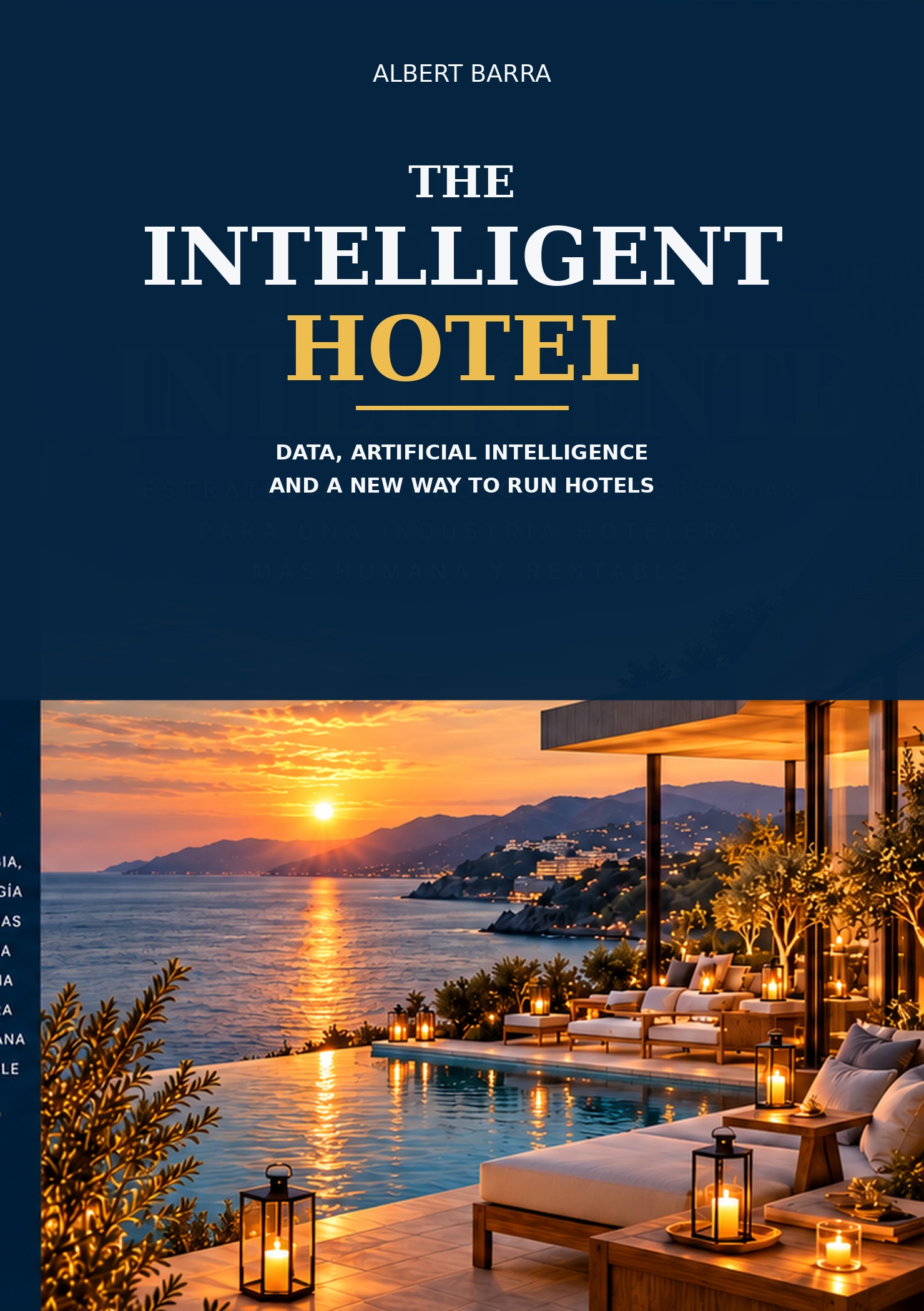 The Intelligent HotelData, Artificial Intelligence and a New Way to Run Hotels
 Directing HotelsWhat Nobody Tells You Before You Sit in the General Manager’s Chair
 The Guest JourneyDesigning Customer Experience Across the Entire Hotel Journey
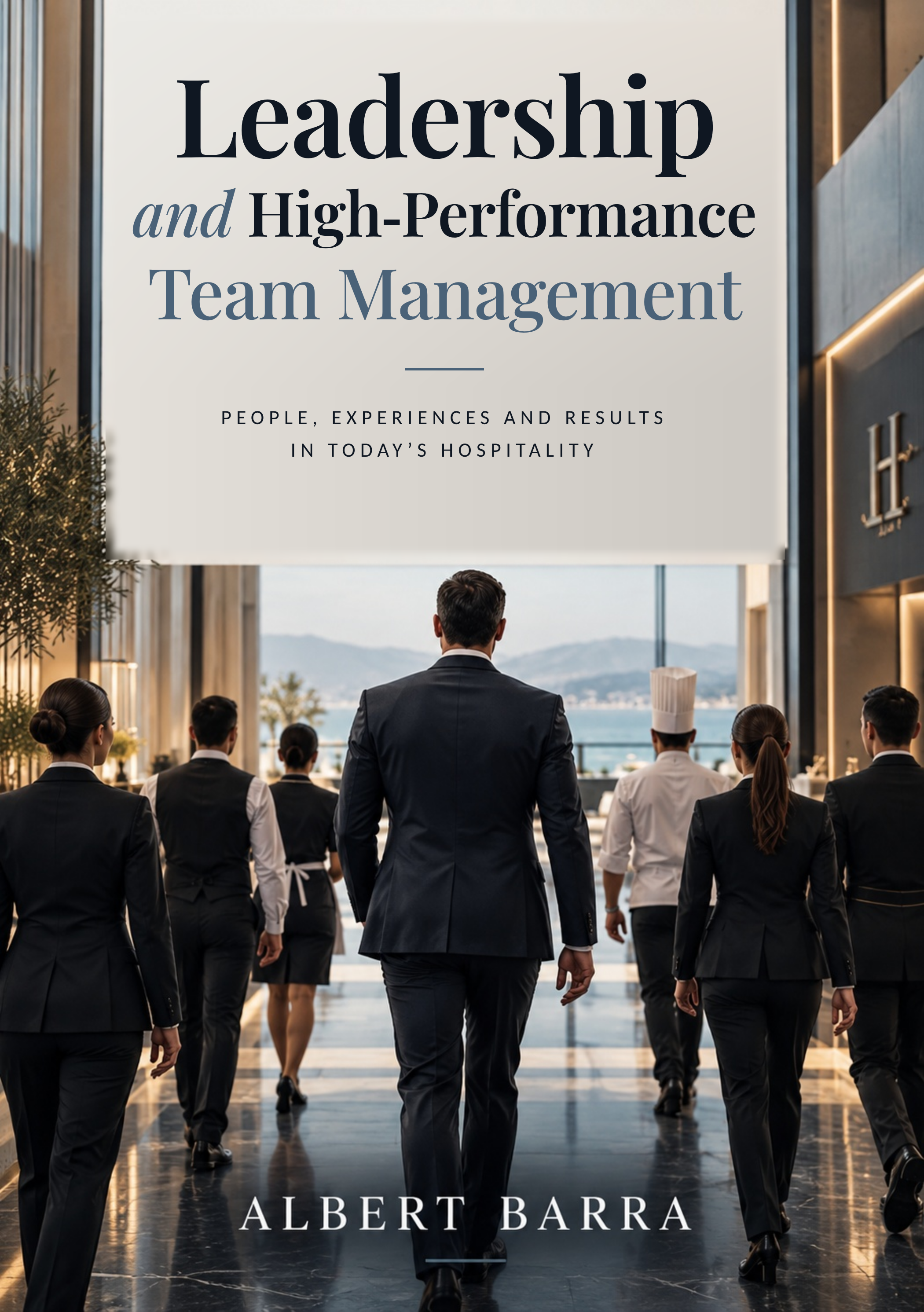 Leadership and High-Performance Team ManagementPeople, Experiences and Results in Today\\\'s HospitalityDigital edition · Personal licence · Free or discounted for subscribersSee all books →
-
5. “Speed is the essence of war”
-
-
Speed of response: Whether on social media or in response to complaints. In a world where guests value immediacy, every minute counts.
-
Agility in decision-making: Bureaucracy is the worst enemy of hotel leadership. The ability to adapt quickly to a shift in demand is an enormous competitive advantage.
-
Continuous iteration: It is better to launch an imperfect experience and improve it with real feedback than wait forever for perfection.
-
At the end of every season, I always review what we did well and what I would do differently if I were starting again. That is my training ground. Here are three ideas that may help you on your journey as a strategic hotelier:
-
Do not fight battles that do not matter: Sometimes, we expend energy on irrelevant details or on competing with hotels that do not share our target audience. Learn to choose your battles wisely.
-
Prepare for war in times of peace: Use quiet periods to train, plan and innovate. When a crisis or peak season arrives, you will be grateful for what you sowed.
-
The greatest enemy is not the competitor, but inertia: What harms a hotel most is the habit of repeating things without questioning them. Strategic thinking is your best defence.
Reading The Art of War should not be an academic exercise or an excuse to seem more sophisticated in our management meetings. Its real value lies in how it transforms the way we think, decide and lead in the day-to-day life of a hotel. It teaches us that clarity, preparation and constant adaptation surpass brute force and improvisation. And in hospitality, that is more relevant than ever.
There is no need to memorise each of its thirteen chapters, but we should internalise the strategic mindset it proposes: observe without rushing, act at the right moment, assess the terrain and cultivate internal cohesion as the foundation for any external result. A hotel may have the best location, the best rates or the best technology, but if it lacks leadership that thinks strategically, sooner or later the guest will notice.
Today’s environment demands more of us than being good hosts. It requires us to be conscious leaders, able to anticipate change, care for our teams and create value even amid uncertainty. That is precisely Sun Tzu’s legacy: teaching us that winning does not always mean fighting, and that the best victory is one achieved not by causing harm, but by persuading.
So, the next time you face a challenge—a sudden drop in occupancy, an unfair review, a change in the team or an aggressive competitor—ask yourself what a wise general would do. Because, although our battlefields are made of freshly pressed linen and immaculate front desks, strategy remains our best ally.
This article ends here. The archive does not.
Lead Hospitality brings together 1200 English articles published since 2018: years of experiences, decisions and lessons you can keep exploring.
What would you like to explore next?
Choose a direction and keep reading around what you want to solve, learn or challenge.