
Trusting with Head and Heart in Hospitality

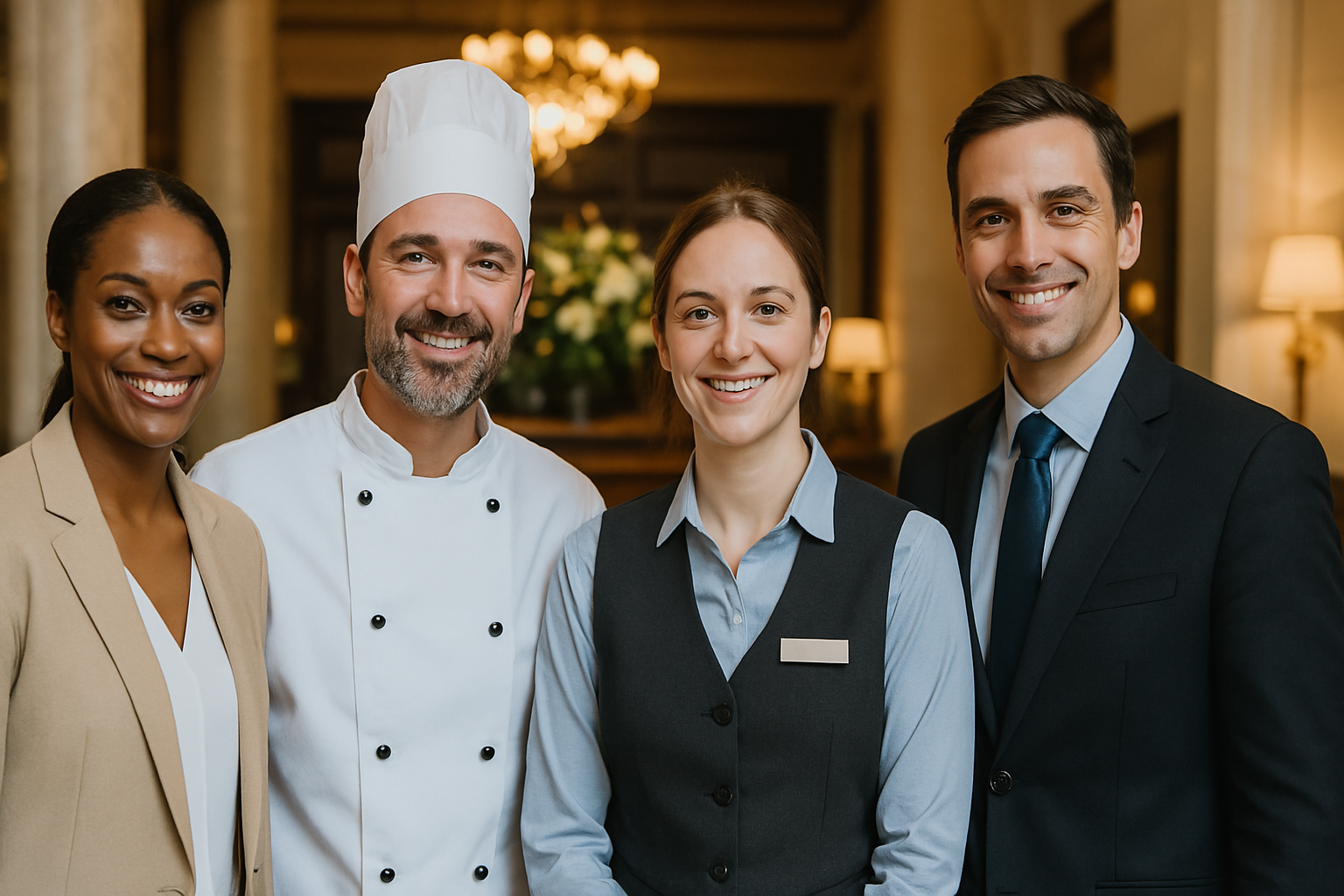

In hospitality, few decisions are as frequent, invisible and defining as trust. I am not referring to trust as an abstract value, but as the practical, ongoing decision we make every day: to trust someone. To trust that the executive chef will not let their guard down when it comes to allergens; to trust that the receptionist will know how to resolve a conflict without escalating it; to trust that the supplier will deliver on time despite the storm. Small decisions, yes, but ones loaded with implications.
The interesting thing is that, however much we manage through KPIs, metrics and protocols, trust remains a profoundly human process. It cannot be automated. No CRM can guarantee it. And yet, in an environment as dynamic and high-turnover as ours, it is the cement that holds together both the team structure and the guest experience.
But how do we decide whom to trust? Do we do so rationally, assessing capabilities and data? Or do we rely on intuition, on emotional connection? For many years, I believed trust was an act of courage. I now think it is, above all, an act of intelligence. And I do not mean analytical intelligence alone, but the kind of complex intelligence that can read contexts, nuances, silences and consistency. The intelligence that brings head and heart together.
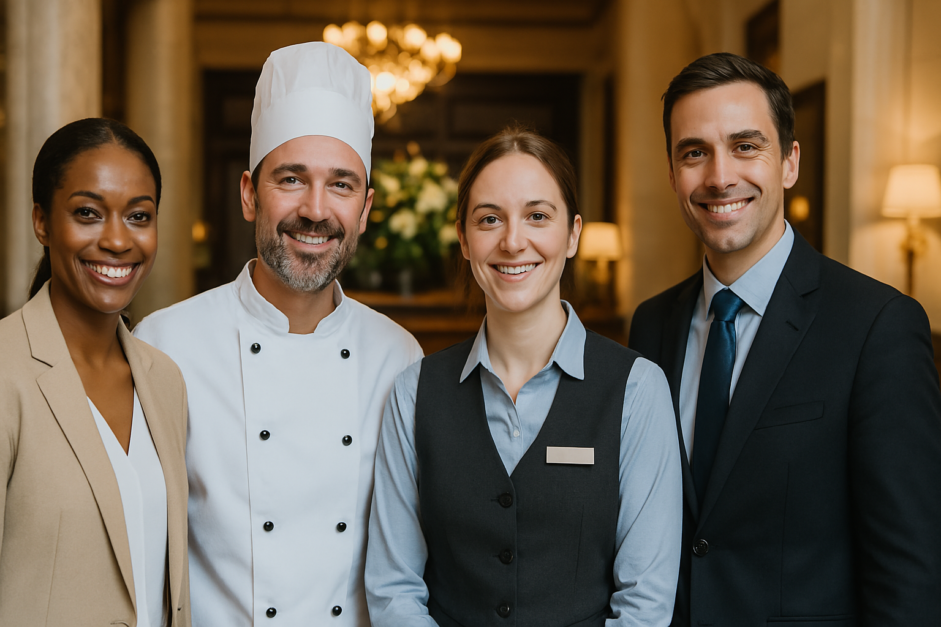 In hospitality, trust is often confused with likeability, loyalty with obedience, and commitment with availability. But they are different things. True trust is quieter and deeper. It is built on credibility and closeness. It also rests on consistency, a word that appears rarely in leadership discourse but often in real life.
In practice, I have found it useful to distinguish between two types of trust that coexist and complement one another:
Cognitive trust: this comes from the head. It assesses whether a person is competent and trustworthy in terms of their skills and track record. In other words: Can they do it? Have they done it before? Do they understand what is expected of them?
Affective trust: this comes from the heart. It assesses whether a person cares about others, whether there is a connection and whether values are shared. The question here is: Do they look out for me? Can I be myself with them? Do they act with honesty and respect even when no one is watching?
I have observed that the best-performing teams are not those with brilliant leaders, but those that have built a network of reciprocal trust. In these teams, mistakes are not hidden, decisions are made openly, and a person’s word carries weight without the need for a signature. It is a culture you can feel, not one that is preached.
But trust is not naïveté. It requires observation. It requires recognising signals and accepting risks. Because, at the end of the day, every act of trust is a wager. And as with every wager, there is the possibility of loss. Of disappointment. But also of connection.


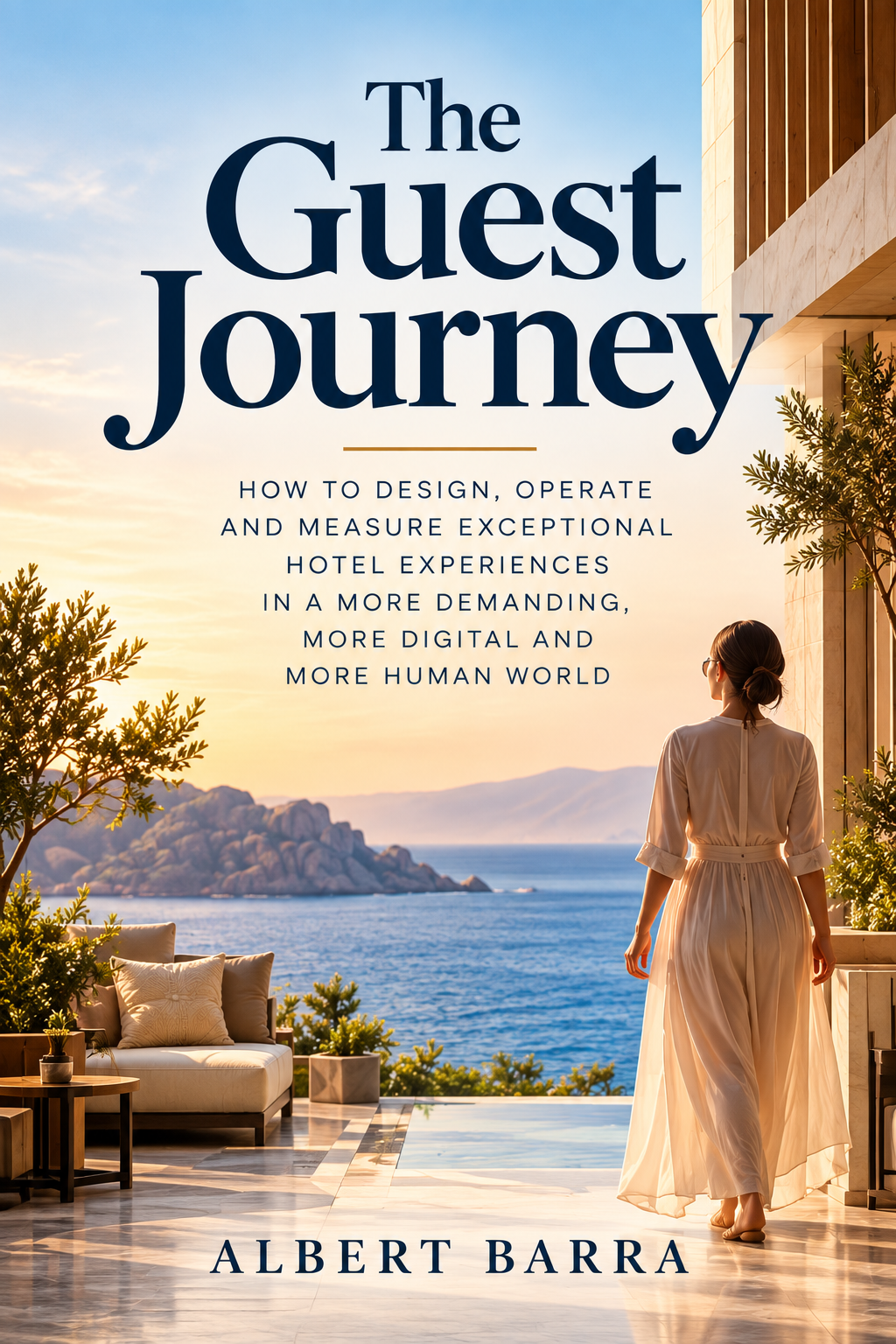
My published books
The situations in which I have grown most as a professional have not been those that turned out as we expected, but those in which I chose to trust without guarantees. And also those in which someone trusted me beyond my mistakes. That trust—given, not bought—is what changes the game. Because it is not based on who you are now, but on who you can become.
Trust is an act of strategic generosity. It is not blind, but neither is it cold. That is why trusting only with the head is as dangerous as trusting only with the heart. The head evaluates; the heart connects. And we need both to build a strong culture.
As hospitality leaders, we do not manage only occupancy, costs or standards. We manage human relationships in their purest form. And if we want our teams to give their best, we need to offer them more than instructions: we need to offer them trust.
And this is not about idealising it. Trust is not eternal. It is not unconditional. It is adjusted, reviewed, earned and lost. But when it is nurtured, it is what transforms a team into a community. A guest into an ambassador. A job into a calling.
Sometimes, trusting means taking a step before you have all the certainty you need. Other times, it means waiting for one more sign before taking the risk. In any case, trust is not a formula. It is a decision.
And like every important decision, it means keeping your feet on the ground and your soul open.
Perhaps that is, ultimately, what leading in hospitality means: walking the line between business logic and the logic of human connection. Listening to the data, yes. But also listening to what is left unsaid. Learning to trust without ceasing to observe. And knowing that, when a team feels trusted, it responds with the very best it has to offer. Not out of fear. Not because of control. But because it is worth it.
This article ends here. The archive does not.
Lead Hospitality brings together 1200 English articles published since 2018: years of experiences, decisions and lessons you can keep exploring.
What would you like to explore next?
Choose a direction and keep reading around what you want to solve, learn or challenge.