
When Loyalty Programmes Drive Customers Away

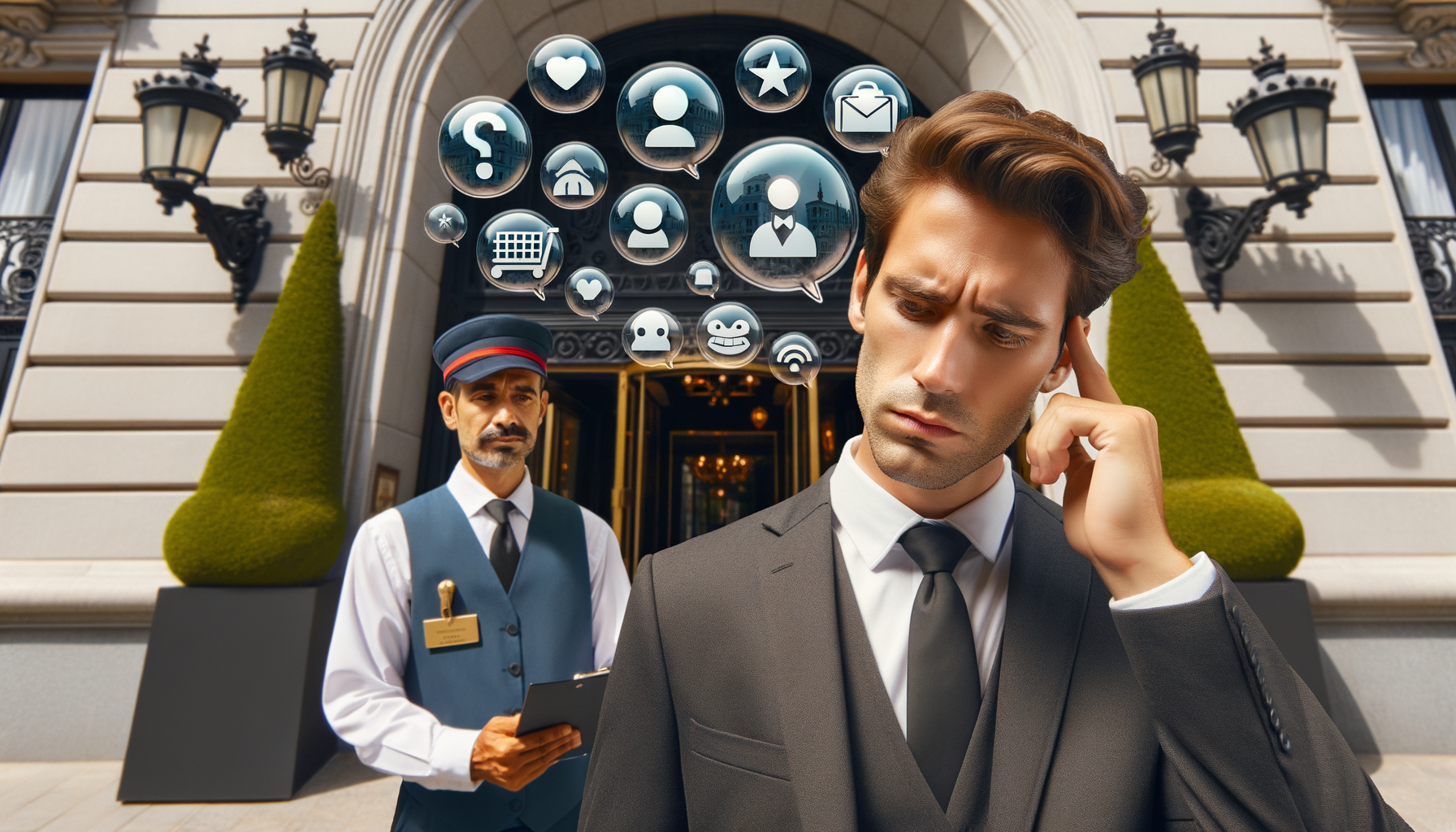

Today, I had a curious experience, and the frustration it caused made me reflect on the basic principles of customer loyalty.
With spring approaching, I felt like adding a touch of colour to the garden, so I went to buy a few plants at a well-known garden centre, which is particularly convenient because it is open on Sundays.
I would not consider myself a major customer, more of an occasional one, although it is true that I visit this centre regularly. The store has a customer loyalty programme offering discounts off marked prices on certain items, as well as a points scheme, with points that can be redeemed for products or gifts from the centre itself.
So far, all perfectly normal—almost boring in its repetition. In short, they do what everyone else does.
The loyalty programme operates through a customer card, one of those cheap, unattractive cards that peel or break because they expect you to keep it with your house keys. However, the customer card has never been necessary, since at the checkout customers could have their purchase credited to their account using their telephone number or national ID number. This was perfect: it could be described as a semi-virtual programme, as the card did not need to be presented in order to enjoy its benefits.
That had been the case for years. Today, to my surprise, when I reached the checkout with a modest €80 purchase, the cashier said something along the lines of:
The manager no longer wants us to give programme benefits to customers who do not bring their card, because he says we waste too much time looking up their details.
They give you the cards for a reason.
In a way, this might even seem logical had customers been informed that presenting the card was compulsory, or had they never acted differently in the past.
Books to run a hotel with judgement
Written from the general manager’s chair: technology, guest experience, leadership and management.
 The Intelligent HotelData, Artificial Intelligence and a New Way to Run Hotels
 Directing HotelsWhat Nobody Tells You Before You Sit in the General Manager’s Chair
 The Guest JourneyDesigning Customer Experience Across the Entire Hotel Journey
 Leadership and High-Performance Team ManagementPeople, Experiences and Results in Today\\\'s Hospitality
But what truly troubles me are the explanations given, and how a disastrous communication policy for a loyalty scheme can end up producing the opposite effect to the one the scheme itself is intended to achieve.
The customer is king—not because, in this case, I was acting as a customer, but because I understand that, in business, customer focus is the key success factor.
In this case, customer focus was conspicuous by its absence, with greater priority given to the convenience of the person working at the centre’s checkout than to the customers themselves.
I must admit that I was very tempted to leave my purchase behind and go home empty-handed, but I did not. In any event, I will consider buying gardening products on any other day of the week, when all garden centres are open.
And that is because, ladies and gentlemen, the customer is king, and therefore the king in this case—me— has decided to change suppliers and that you can stick your customer loyalty programme where the sun does not shine.
Perhaps this experience will feel familiar in relation to certain loyalty schemes run by hotel chains or airlines. That is why I thought it appropriate to share it.
This article ends here. The archive does not.
Lead Hospitality brings together 1200 English articles published since 2018: years of experiences, decisions and lessons you can keep exploring.
What would you like to explore next?
Choose a direction and keep reading around what you want to solve, learn or challenge.