
5 Things AI Will Never Replace in Hospitality



Hospitality is living through intense times. We find ourselves between algorithms that anticipate demand, systems that optimise inventory with surgical precision, and guests who speak with virtual assistants before even deciding which continent they want to sleep on. Artificial Intelligence is no longer a promise of the future; it is a tangible reality at our front desks, in our booking engines and, above all, in travellers’ expectations.
And yet, despite the dizzying pace of innovation, one certainty echoes intimately in every room, every greeting and every human gesture: in this industry, not everything can—or should—change.
I like to remember that the essence of hospitality is not written in binary code. It is written in the quietness of a timely smile, in the art of listening without interrupting, in that “good morning” that comes not from software but from a voice trained in empathy, not machine learning. No matter how much the tools evolve, there are pillars that will remain unchanged, like the foundations of an old building that has withstood centuries.
Amid so much disruption, some truths remain steadfast. More than points of resistance, they are anchors. Here are what, for me, are the 5 things that will never change in hospitality, even with AI:
Human warmth as the true differentiator
AI can predict behavioural patterns, but it cannot look someone in the eye with authenticity. When a guest is having a bad day, they do not want a chatbot offering them a discount voucher. They want to be heard, understood and cared for.
-
-
Empathy cannot be programmed. You can train an algorithm to respond, but not to feel.
-
Hospitality is an emotional language. And in that, we humans remain unbeatable.
-
Tone, touch, timing... everything that makes up the art of service still eludes machines.
-
The culture of detail
Technology can help you personalise the guest journey, but it cannot replace the intuition of a team that knows when to place fresh flowers in the room of someone celebrating their recovery.
-
-
It is not what the guest asks for, but what they do not say and you anticipate.
-
A timely detail cannot be automated. It is cultivated, sensed, inherited from the craft.
-
A team trained to observe is worth more than an infinite database.
-
The ethics of service
No matter how digital the experience becomes, guests will continue to value being treated with respect, fairness and honesty.
-
-
Respect does not depend on sensors.
-
Integrity cannot be programmed. It is chosen, reinforced and practised.
-
Promises are kept, not automated.
-
The importance of continuous, human-centred training
We can adopt the best technology in the world, but without prepared people capable of interpreting it, adapting it and, above all, questioning it, we are lost.
-
-
Training remains human. Because teaching service cannot be done with tutorials alone.
-
Leadership is passed on through example, not processors.
-
Culture is built by people, not in the cloud.
Lead Hospitality LibraryMy published books
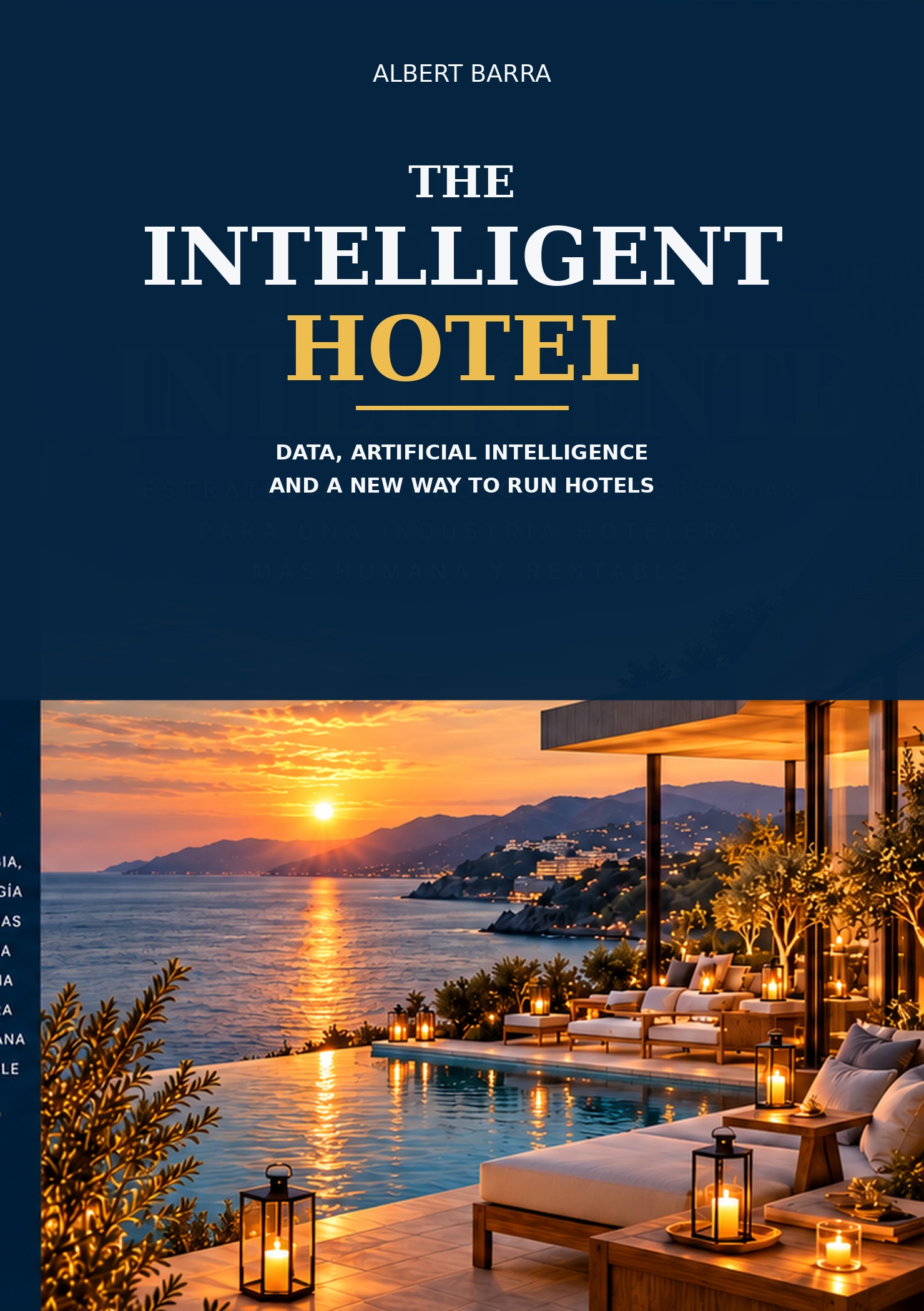
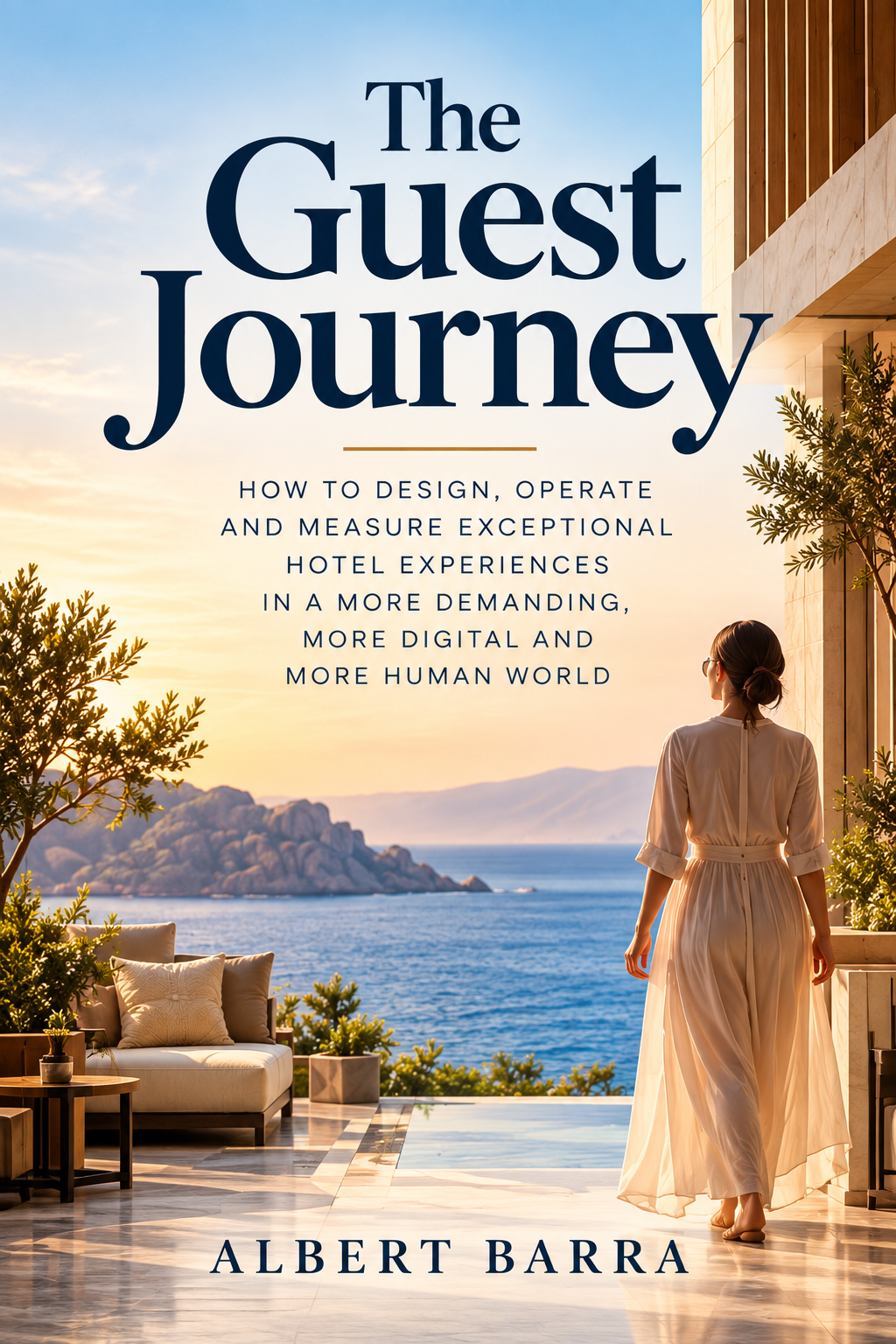
The Intelligent HotelData, Artificial Intelligence and a New Way to Run Hotels→Directing HotelsWhat Nobody Tells You Before You Sit in the General Manager’s Chair→The Guest JourneyDesigning Customer Experience Across the Entire Hotel Journey→See all booksDigital edition · Personal licence · Free or discounted for subscribers -

The need to belong
Our guests will continue to seek something no voice assistant can offer: a sense of home. That place where they feel understood, valued and, yes, cared for.
-
-
Loyalty is born from emotional connection, not a points algorithm.
-
Travellers seek connection, not just efficiency.
-
Hospitality is belonging. And it is given, not calculated.
-
Some things change. Others evolve. And some must be defended.
Of course, we must embrace Artificial Intelligence. It would be irresponsible not to. But it would also be a mistake to believe that we can replace the soul of our craft with computational logic.
The key, I believe, lies in understanding what we should and should not allow to change.
-
Yes to facial recognition, but not to forgetting a guest’s name.
-
Yes to automated check-in, but not to indifference in the “welcome back”.
-
Yes to recommendation systems, but not to replacing the advice of someone who knows the city from the inside.
It is essential to understand that artificial intelligence should not be confused with a management philosophy. It is a powerful tool, yes, but one limited to the logic of data. It has no values, purpose or sensitivity. That is why we must avoid delegating to it decisions that require human judgement, intuition or empathy. AI can help us do our work better, but not redefine who we are as hoteliers or why we do what we do. Its role is to complement, not replace.
In the race to digitise services and automate processes, we risk neglecting the most valuable asset of any hotel: its people. Investing in technology without investing equally in human development is to sow imbalance. Only a well-prepared team will be able to interpret technology and use it to deliver a richer, warmer, more personalised experience. Harmonious coexistence between the human and the digital does not happen by itself; it is built through training, organisational culture and conscious leadership.
We must learn to listen beyond the data. Metrics show us trends, volumes and behaviours, but they do not explain the emotional reasons behind a complaint, a smile or a decision to return. For that, we still need direct conversation, attentive observation and active listening. In hospitality, numbers tell you “how much”, but only people tell you “why”. And it is in that why that we find the key to improving, building loyalty and transcending.
Technology will change processes. We decide whether it changes purpose.
Being a hotelier in this century means having the wisdom to distinguish between what can be digitised and what must be preserved. And, above all, the courage to defend it.
Because as long as people travel carrying dreams, hopes and emotions, hospitality will remain a human art, even in the age of AI.
This article ends here. The archive does not.
Lead Hospitality brings together 1200 English articles published since 2018: years of experiences, decisions and lessons you can keep exploring.
What would you like to explore next?
Choose a direction and keep reading around what you want to solve, learn or challenge.