
The Armchair Experts: Managing Hotels Without Living the Operation

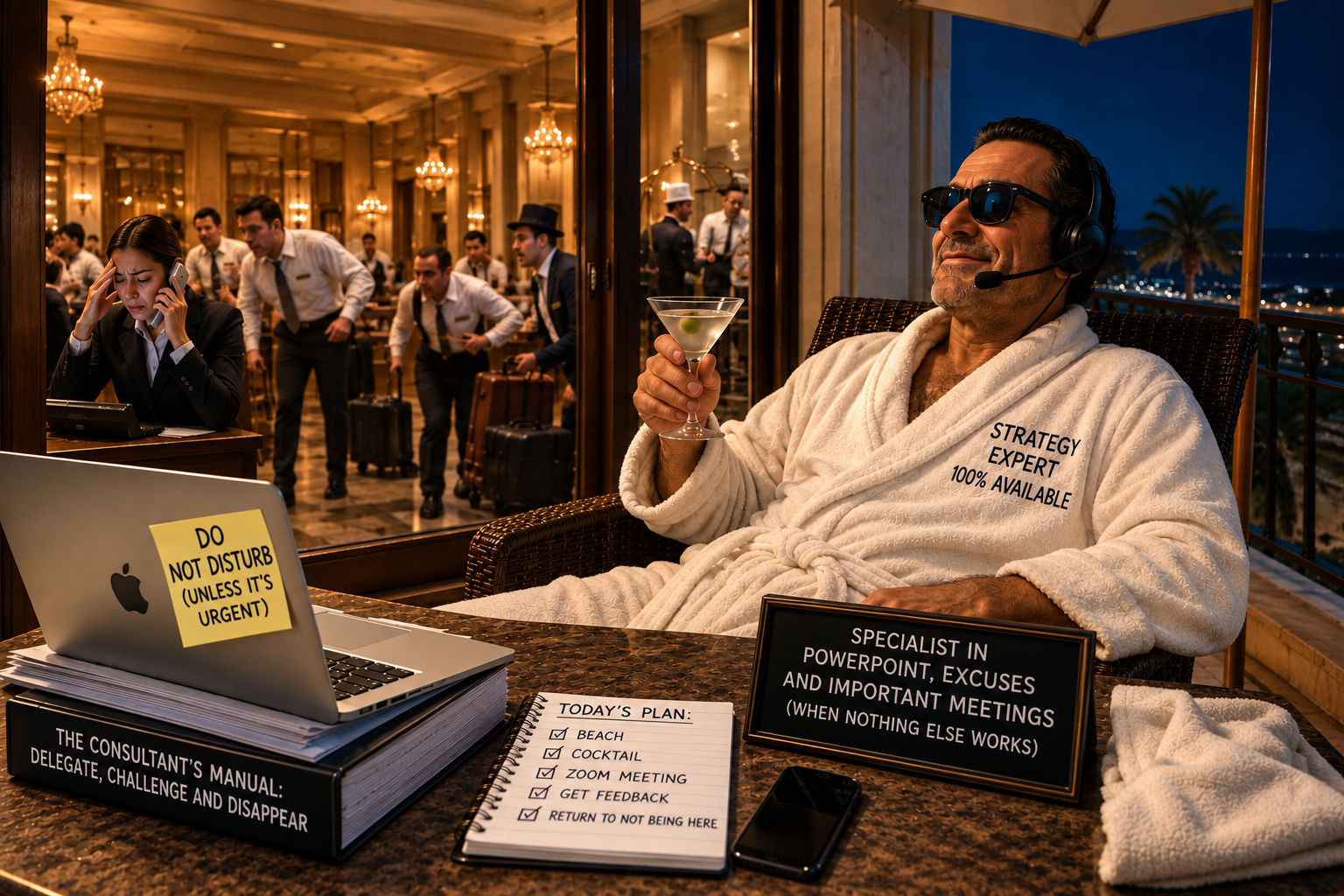

There is a scene that plays out constantly in hospitality. Anyone who has truly worked in operations will recognise it in seconds.
It is 8:45 in the morning. Breakfast is completely full. A family is waiting for a table. The main coffee machine has just broken down. Two housekeeping attendants are running behind because of late check-outs. There is a queue at reception. One guest is demanding early check-in. Another is threatening to write a review because the omelette is not “runny” enough. And maintenance has just had an issue with the domestic hot water system.
Meanwhile, someone who is not there — and who has probably never experienced a morning like this — sends you a WhatsApp message explaining how you should organise breakfast better.
The hospitality industry is full of people who have opinions about operations without ever having lived them. People who talk about the guest experience without ever having managed a crisis with 300 in-house guests. People who talk about efficiency without ever having completed a night audit when the system was down. People who talk about leadership without ever having had to rebuild an exhausted team in the middle of August.
And the most fascinating thing is that they almost always speak with admirable confidence. Heroic, even.
Because in hospitality there is a very particular character: the armchair expert, the PowerPoint consultant, the absent owner, the LinkedIn guru, or the strategist who magically appears once the storm has passed. Never during it.
You will never see them when:
- there are 150 simultaneous check-ins,
- a group arrives two hours early,
- two people are missing from the kitchen team,
- a VIP guest threatens to leave,
- the PMS stops syncing,
- the rooftop is full,
- reception is overbooked,
- and maintenance discovers a water leak on the third floor.
Curiously, they always appear afterwards. When everything has stabilised. When the fire has already been put out. When someone else has done the hard work.
Then come the legendary phrases:
- “What we should do is…”
- “This does not happen in other hotels…”
- “The solution is simple…”
- “We need to professionalise…”
- “What matters is the experience…”
- “There is a lack of organisation…”
The hospitality industry has a serious problem with theory detached from operational reality.
And I am not talking about serious consulting. Good consulting brings tremendous value. I have learned enormously from outstanding external professionals. Brilliant people capable of identifying blind spots that you cannot see from within.
I am talking about something else.
I am talking about those who believe a hotel is an elegant spreadsheet with guests inside it.
Because analysing a hotel is one thing. Keeping it running is something else entirely.
Real hotel operations do not happen at conferences. They happen at 23:47, when there is an electrical incident and the hotel is full. They happen when the team has gone twelve days without rest because occupancy has surged. They happen when you have to decide in seconds between profitability, guest experience, team wellbeing and online reputation.
That is where many experts disappear.
In hospitality, there is an enormous difference between:
- knowing concepts,
- and absorbing operational pressure.
And only those who have truly been in it understand that difference.
Because running a hotel is not about saying what needs to be done. It is about making things work while everything around you is moving at once.
That means living with constant contradictions:
- Reducing costs without destroying the guest experience.
- Demanding quality without burning out teams.
- Increasing ADR without losing the perception of value.
- Maintaining standards when resources are scarce.
- Smiling while the building is literally falling apart from within.
Much of the discourse around hospitality overlooks something fundamental: hotels do not operate in a laboratory.
They operate in controlled chaos.
And the more complex the property, the more imperfect the reality.
Manuals are wonderful until four coaches arrive at once.
That is where real hospitality begins.
In fact, some of the most surreal comments I have heard about hotel operations come from people who have never worked a real service. I see it constantly on social media. Individuals who have never handled an opening, never managed a mass check-in, never coordinated housekeeping at high occupancy… giving absolute lessons on how to eliminate queues, optimise flows or redesign operational experiences.
And they do so with extraordinary conviction. As if running a hotel were just moving little boxes around in a presentation.
Sometimes I see certain posts and think: “someone who has spent an entire Easter week inside a hotel would not have written this problem like that”.
Because operations leave scars. And humility too.
Anyone who has truly experienced hospitality knows that almost nothing is as simple as it seems from the outside.
And then there is one of my favourite scenes in contemporary hospitality.
When dramatic analyses start coming in from ownership or the financial side about “why things are not working”, while the accounts for recent months still have not been closed, actual costs have not yet been consolidated, and no one is entirely clear what the current operating GOP actually is.
That said, the strategic conclusions arrive very quickly.
Books to run a hotel with judgement
Written from the general manager’s chair: technology, guest experience, leadership and management.
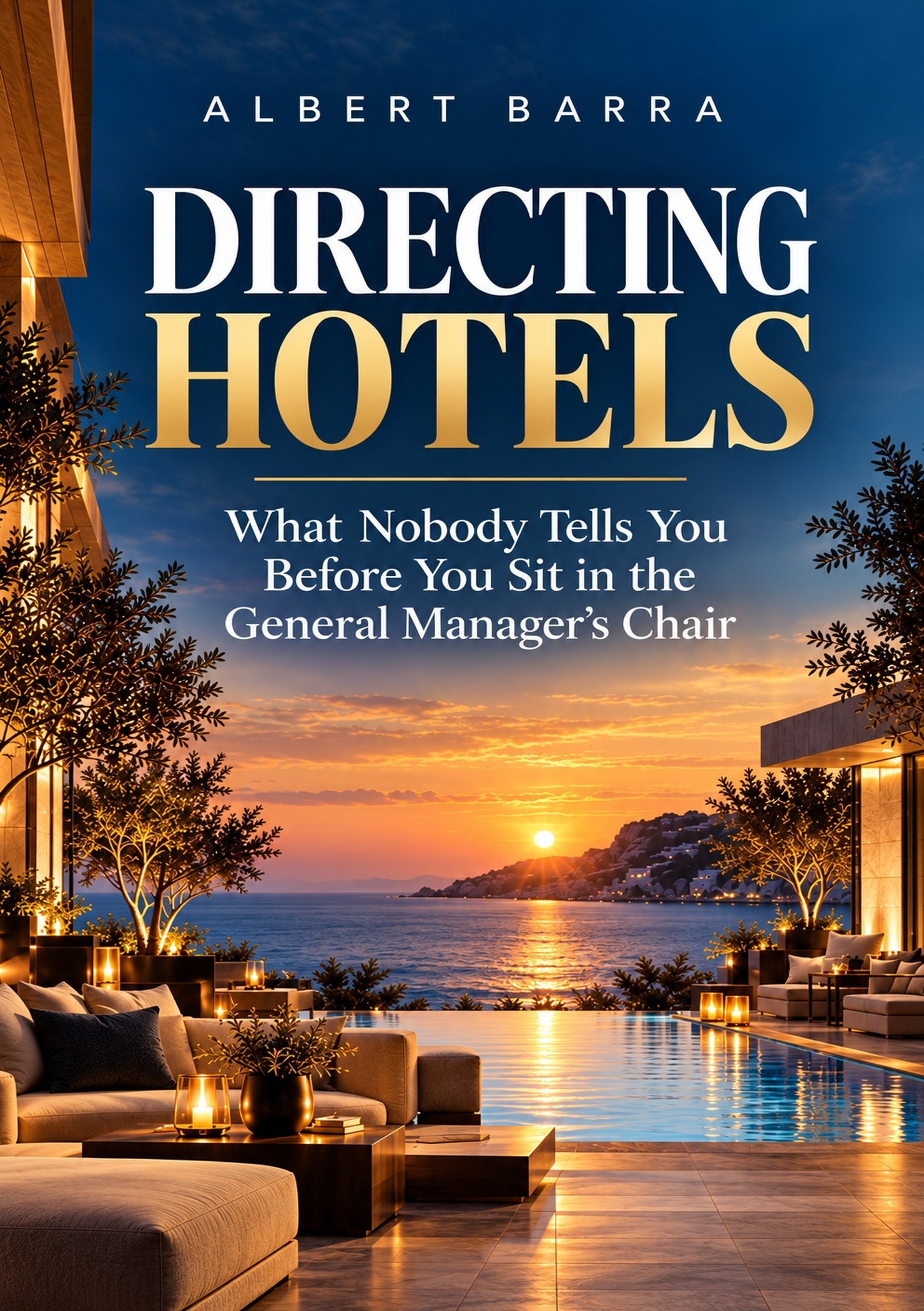 Directing HotelsWhat Nobody Tells You Before You Sit in the General Manager’s Chair
 The Intelligent HotelData, Artificial Intelligence and a New Way to Run Hotels
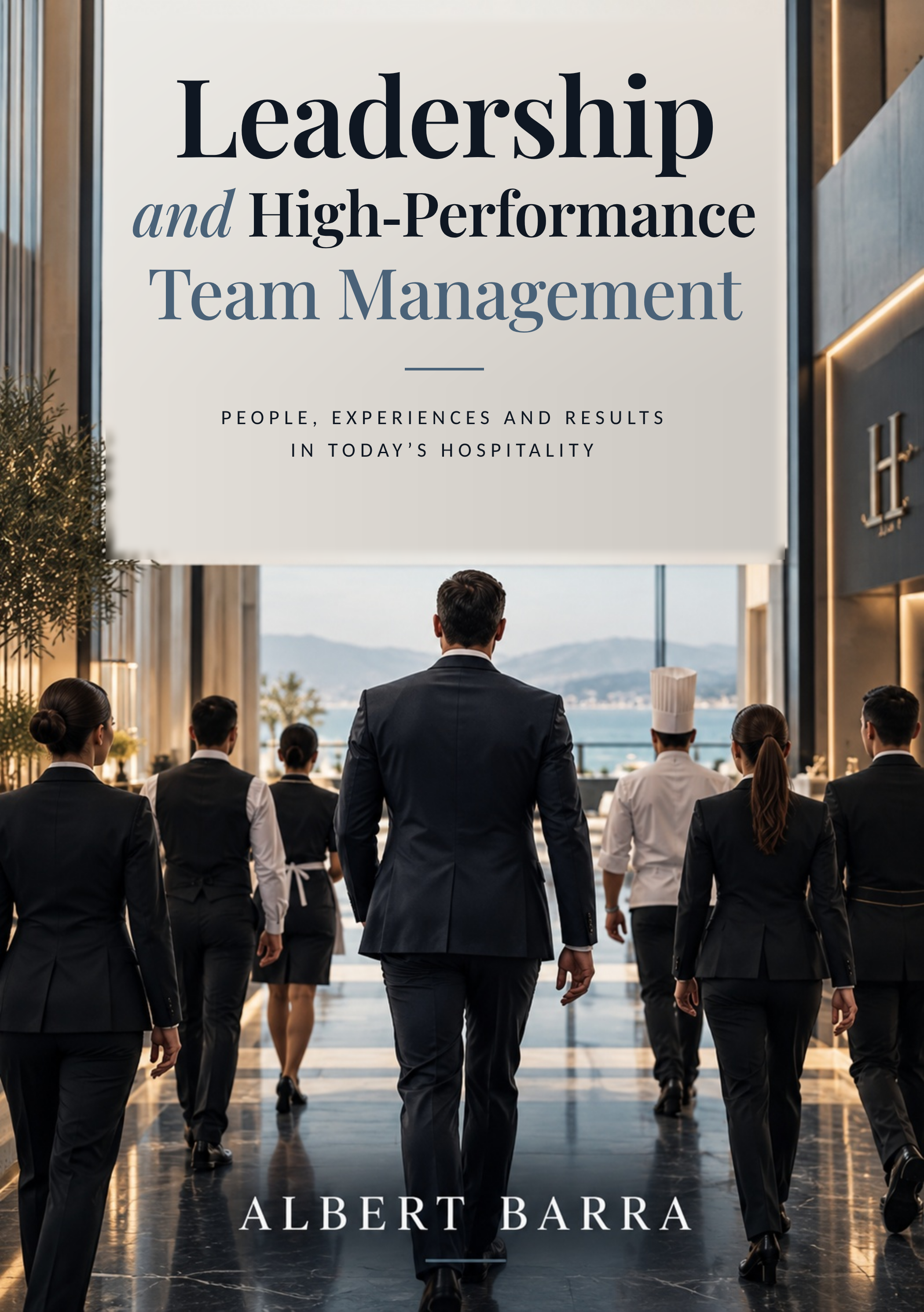 Leadership and High-Performance Team ManagementPeople, Experiences and Results in Today\\\'s Hospitality
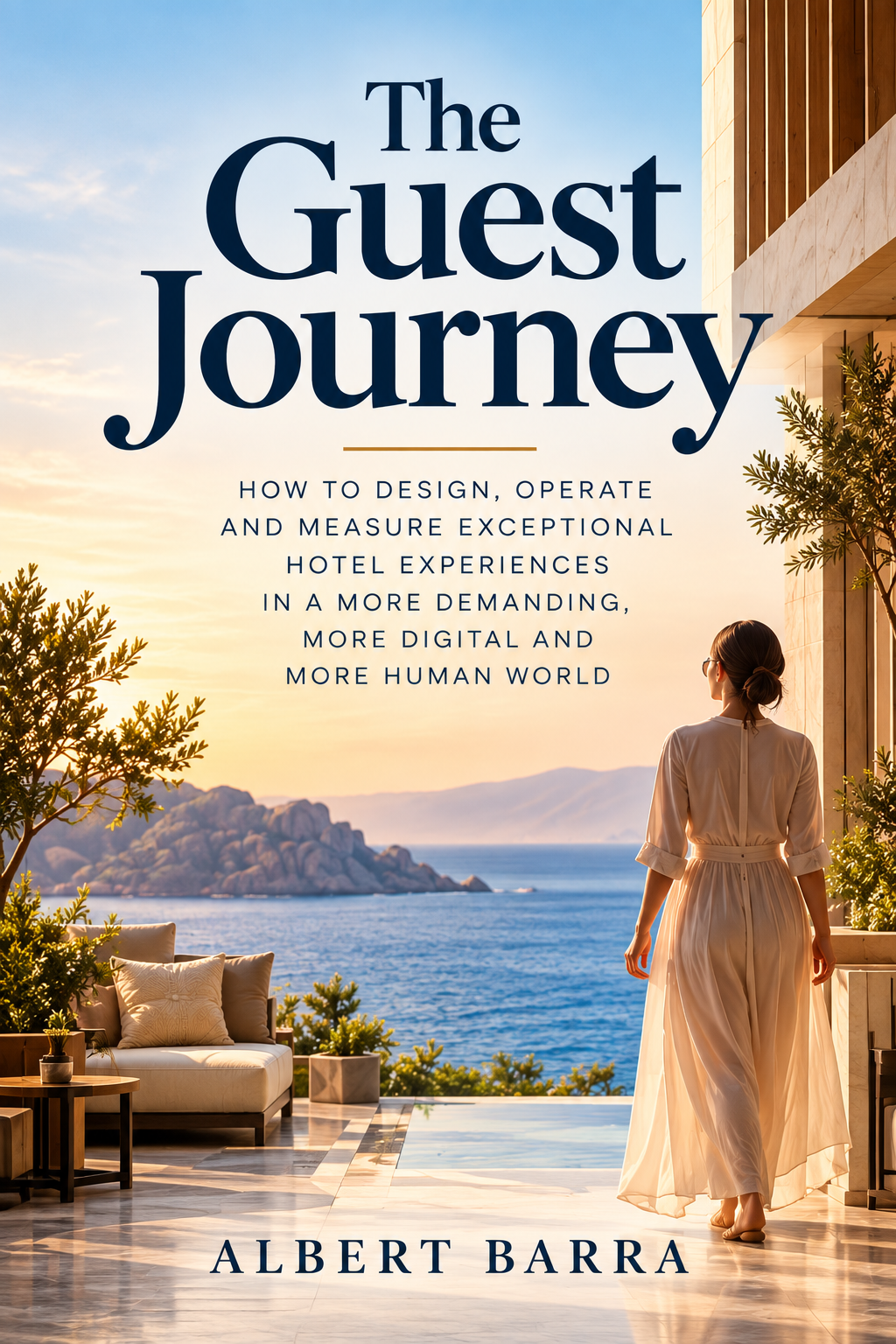 The Guest JourneyDesigning Customer Experience Across the Entire Hotel Journey
- “The problem is operational.”
- “There is a lack of control.”
- “We need to optimise.”
- “Productivity is low.”
- “We need to push harder.”
All of it usually said from a comfortable emotional distance from actual service.
Because few things are more fascinating in hospitality than receiving pressure over results from people who are still waiting for bank reconciliations, management account closings or a genuinely cleaned-up profit and loss statement.
Meanwhile, operations are trying to survive:
- incidents,
- turnover,
- online reputation,
- weather conditions,
- staffing,
- suppliers,
- breakdowns,
- demand peaks,
- and guests who sincerely believe that a full hotel should operate exactly like one at 20% occupancy.
Sometimes I feel that certain financial analyses in hospitality are like commenting on a match by looking only at the score… without having watched the game.
That is why I am concerned by a certain romanticisation of modern hotel management. The idea that leadership consists solely of thinking about strategy, innovation or branding while others “execute”.
No.
Real authority in hospitality does not come from the organisation chart. It comes from operational credibility.
Teams immediately identify who understands the ground and who only masters the rhetoric.
And that changes absolutely everything.
A general manager who has been at reception during an operational collapse makes different decisions. An owner who has lived through an entire August understands the real constraints better. A consultant who has worked real services makes far more grounded recommendations.
Because hospitality cannot be fully understood from the outside.
It is understood from within. From the noise. From the pressure. From everything happening at once.
That is why some of the best hoteliers I have known have something in common:
- they speak less,
- they observe more,
- they simplify better,
- and they never underestimate operational complexity.
They do not need to perform knowledge theatrically.
Because they have already survived enough breakfasts with 300 guests.
And that teaches you more than many master's degrees.
Hospitality needs fewer corridor gurus and more people willing to understand how a hotel really works when the pretty lights disappear and real operations begin.
Because running a hotel is not having an opinion about a hotel.
It is keeping it running when everything happens at once.
And that, honestly, is only understood by someone who has once walked out after a 16-hour shift thinking:
“miraculously, we made it through today as well”.
This article ends here. The archive does not.
Lead Hospitality brings together 1200 English articles published since 2018: years of experiences, decisions and lessons you can keep exploring.
What would you like to explore next?
Choose a direction and keep reading around what you want to solve, learn or challenge.