
How Digital Natives Are Redefining Hospitality—and What Hotels Can Do About It


 Here lies the great challenge: adapting not only in terms of technology, but also mindset. How can we deliver a service that is not only efficient, but also emotionally resonant for these digital travellers? Today, I want to share a few key ideas and reflections on how to evolve in the context of this transformation.
1. The power of personalisation through data analytics
Digital natives do not want to be treated as “just another customer”. They expect personalised service that anticipates their wishes. The key lies in the intelligent use of data. A McKinsey study found that 76% of consumers feel frustrated when companies fail to offer personalised experiences (Source: McKinsey). In hospitality, this means knowing their preferences before arrival, from their preferred pillow to their musical tastes. How well are we using our CRMs and other management tools to anticipate their needs?
2. Omnichannel engagement is not optional
For digital natives, the boundary between channels simply does not exist. They use their phone, computer, tablet or voice, and expect our communication to be seamless across all these channels. This means being present on social media, having a website that offers not only information but also a strong user experience, and a booking system that is simple and fast. It is not about having many channels, but about integrating them so that users experience continuity at every touchpoint.
3. Social commitment and sustainability as brand pillars
Studies indicate that 62% of millennials and Generation Z prefer to spend more with companies that are transparent and committed to social and environmental causes (Source: Nielsen). This means that our commitment to sustainability and our social responsibility must not be merely a section on the website, but an integral part of how we operate. From reducing energy consumption to collaborating with local communities, every action counts towards building an authentic and respected brand.
4. Immediacy and honesty in communication
Digital natives value immediacy and honesty above all else. They want quick, transparent responses, even when the news is not good. A human, empathetic response on social media or a quick, effective solution to an issue during a stay can make the difference between a good experience and an excellent one. According to a HubSpot study, 90% of customers expect to receive a response within 10 minutes when it comes to customer service through social media (Source: HubSpot).
5. Immersive experiences that transcend the physical
Immersive technology, such as virtual or augmented reality, can help enhance the guest experience even before arrival. Think of the possibility of offering a virtual tour of the facilities, or allowing guests to visualise what their room will be like before they arrive. It is not about replacing the physical experience, but enriching it. “Well-executed immersive experiences are the promise of a memorable journey, and that promise begins long before packing one’s bags,” one might say.
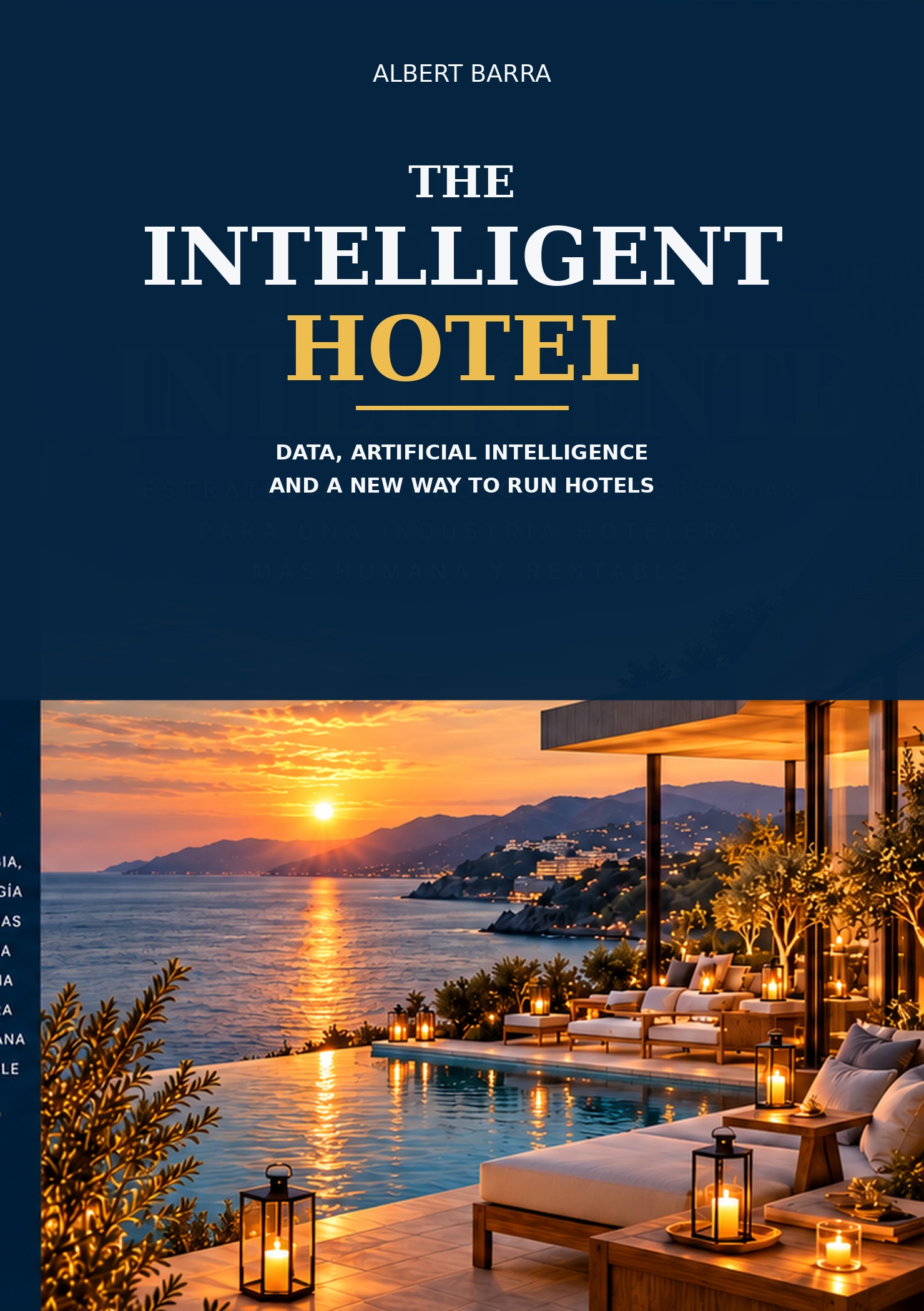


My published books
6. Constant adaptation and operational flexibility
Flexibility is key. Digital natives value the ability to change plans, modify reservations and adapt their experience as they go. Rigidity is the enemy of this group’s satisfaction. We can adopt flexible cancellation policies, à la carte experiences and customisable services that adapt to the rhythm of their journey. If the pandemic taught us anything, it is that adaptability is not just a competitive advantage, but a fundamental necessity.
7. The human factor remains irreplaceable
Despite all the technology available, the human factor remains crucial. Digital natives value authenticity and genuine interactions. Yes, technology can help automate processes, but human contact is what turns a good stay into an unforgettable experience. A smile at reception, a conversation about local recommendations... These small details have no digital substitute. As I often say, “technology complements, but the heart connects”.
8. Humour, freshness and the ability to surprise
This generation does not only appreciate efficiency; it also seeks memorable and fresh experiences. A touch of humour in communication can make all the difference; an unexpected surprise in the room can create a lifelong memory. And a surprise does not always have to be costly: a thoughtful gesture, a personalised note or even a timely meme on social media can create a lasting connection.
In summary…
To adapt to the expectations of digital natives, we need to redefine how we build the relationship with our guests. It is not just about implementing technology, but about understanding their values, their ways of communicating, and above all, recognising that true connection lies in a blend of personalisation, authenticity and emotion. While the challenge is significant, the opportunity is even greater. Hospitality is constantly evolving, and we must be the drivers of change, not merely spectators. Adapting to these new travellers is an opportunity to redefine our offering and, above all, create experiences that transcend generations. And that, at the end of the day, is what our industry is all about: connecting, moving people and transforming every stay into a story worth telling.This article ends here. The archive does not.
Lead Hospitality brings together 1200 English articles published since 2018: years of experiences, decisions and lessons you can keep exploring.
What would you like to explore next?
Choose a direction and keep reading around what you want to solve, learn or challenge.