How FOMO Drives Hotel Experience Bookings

Albert BarraDecember 18, 2023 · 5 min read
Millennials’ Dominance in Spending and Their Search for Experiences
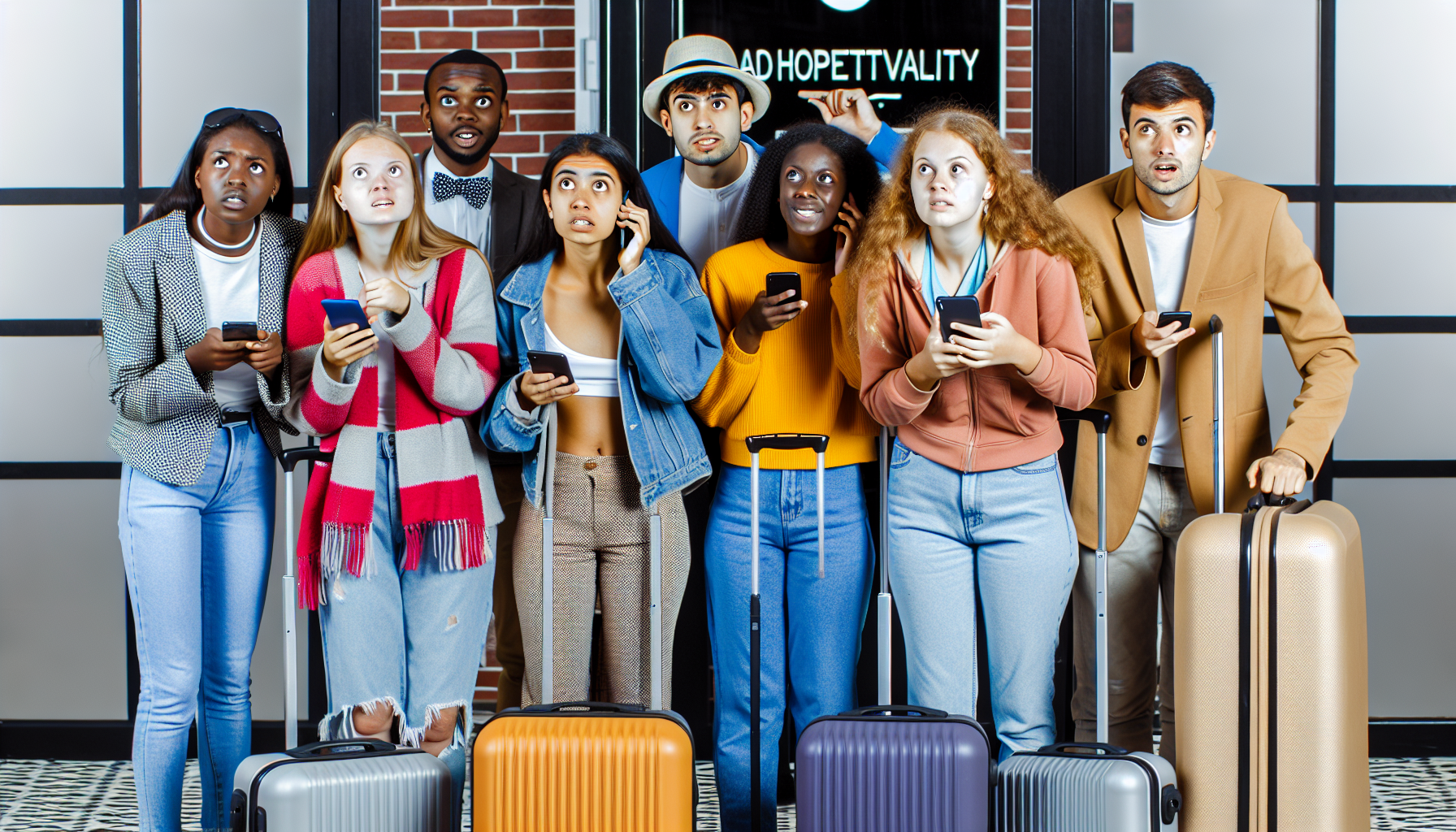
Millennials hold the title of the largest consumer generation, with average daily spending of €185 and a combined purchasing power of €2.5 trillion. This group values experiences over material possessions and is the most likely to book accommodation that offers unique experiences. It is imperative for hotel marketing teams to understand this group’s purchasing habits and motivations. In many cases, instilling a sense of urgency and FOMO can be the final push potential guests need to click the booking button. When applied correctly, these techniques can increase bookings and generate revenue.
Understanding the Psychology of Urgency and FOMO in Accommodation Sales
Our minds are complex arenas of emotions, thoughts and behaviours in constant conflict. Among these emotions, feelings of urgency and the fear of missing out (FOMO) are powerful forces that hotel marketing professionals have learned to leverage to motivate their target audience.The Power of Urgency in Booking Strategy
Urgency creates a sense of immediacy, generating pressure to act quickly. In hospitality, time-limited offers, limited availability and exclusive deals are often used to encourage guests to make a faster decision. This approach plays a vital role in digital marketing and is often directly linked to higher conversion rates. According to an Experian report, email marketing that conveyed a strong sense of urgency delivered at least 14% higher open rates, 59% higher click-to-transaction rates and double the transaction rates compared with typical marketing emails.FOMO as a Driver of Action in Accommodation Bookings
FOMO reflects the apprehension of missing out on something valuable or enjoyable. It is a feeling born from the hyperconnected world of social media. In fact, a report in Addictive Behaviors found that fear of missing out was one of the most common reasons for increased social media use. FOMO-based marketing campaigns focus on portraying a "once-in-a-lifetime" opportunity. Highlighting other guests’ experiences and the exclusivity of the accommodation are effective FOMO marketing strategies. Exclusive access to amenities, VIP packages, limited editions and showcasing social proof are techniques that enhance this sense of desirability and exclusivity.Effective Ways to Create Urgency and FOMO in Accommodation Bookings
1. Time-Limited Offers and Countdown Timers
You can incorporate countdown timers into your booking website to instil a strong sense of urgency among potential guests. Use time-limited offers and flash discounts to encourage immediate bookings. Consider this: if you offer a 30% discount, you could persuade 66% of millennials to choose your property, according to Forbes.2. Highlighting Limited Room Availability
Promotional emails that create a sense of urgency achieve click-through rates 14% higher than average. Highlighting limited room availability creates a sense of scarcity, making rooms appear more valuable to potential guests.3. Special Discounts for Early and Last-Minute Bookings
Appeal to different guest mindsets by offering special discounts both to those who like to plan ahead and to spontaneous last-minute bookers. Early-booking and last-minute offers create a sense of urgency and exclusivity.4. Social Proof and Reviews from Other Guests
Trust and credibility are key to booking decisions. Include social proof, such as reviews and testimonials from other guests, on your website to build trust and encourage action. Eighty-four per cent of people trust online reviews as much as personal recommendations.5. User-Generated Content and Shared Experiences
User-generated content (UGC) is a powerful tool. Share photos and experiences from previous guests across your social media platforms and website. Ninety-two per cent of consumers trust content created by their peers more than content created by brands.6. Collaborations with Influencers and Strategic Partners
Expand your reach and credibility by partnering with influencers and hospitality industry experts. Collaborations and cross-promotions with strategic partners increase your property’s visibility and authenticity.7. Segmented and Personalised Email Campaigns
Emails are an effective tool for creating FOMO. Set up booking cart recovery campaigns with messages that highlight limited offers and exclusive discounts. The average order value (AOV) of purchases from cart recovery emails is 14.2% higher than that of typical purchases.Monitoring and Analysing Results in Your FOMO Strategy
Creating urgency and FOMO is essential for driving accommodation bookings. But how do you know which strategies are truly effective? Monitoring and analysing results provide valuable insights to refine and focus your efforts.Conclusions: Harnessing the Power of FOMO in Selling Hotel Experiences
In the bustling accommodation market, understanding the psychological drivers of consumers, especially the millennial generation, is essential. FOMO is a force to be reckoned with for this group, and when applied correctly, it provides a competitive advantage for your property. Through innovative techniques such as countdown timers, limited-availability alerts, early-booking and last-minute offers, you can instil the need to act quickly and align with millennials’ FOMO-driven booking habits.This article ends here. The archive does not.
Lead Hospitality brings together 1200 English articles published since 2018: years of experiences, decisions and lessons you can keep exploring.
CONTINUE FROM HERE
What would you like to explore next?
Choose a direction and keep reading around what you want to solve, learn or challenge.
01MAKE MOREProfitability, revenue and decisions that reach the bottom line.
02LEAD BETTERTeams, culture, talent and the conversations that matter.
03SELL BETTERPositioning, marketing, distribution and customers.
04CREATE EXPERIENCESService, loyalty and details guests remember.
05UNDERSTAND WHAT'S NEXTInnovation, AI and new ways of thinking about Hospitality.
✦SURPRISE MEShow me something worth five minutes of my time.