
From Transactions to Relationships: New Hotel Guest Loyalty Strategies

Albert BarraFebruary 9, 2025 · 7 min read
Customer loyalty is undergoing a profound transformation. According to a recent publication I read, in a world where more than half of consumers no longer consider themselves loyal to a brand (SAP Emarsys, 2024), hospitality must rethink how it builds lasting relationships with its guests. This phenomenon is not new; in recent articles, we have explored how the traveller’s three brains influence the choice of a hotel, the impact of the halo effect on guest perception, and the role of emotional pricing in decision-making. Everything points to an undeniable reality: loyalty no longer depends solely on rates or points programmes, but on emotional connection and perceived value.
Hotel marketing must go beyond advertising and branding to focus on personalisation and the guest experience. Neuromarketing has demonstrated that purchasing decisions are not rational, but emotional, and this is especially relevant in hospitality. If guests perceive their stay as unique and tailored to them, their loyalty will be natural and genuine. In this context, strategies such as AI-driven personalisation, the creation of omnichannel experiences, and the application of emotional pricing strategies take on fundamental importance.
How can hotels adapt to this new reality? The key lies in transforming the guest relationship into an authentic bond, in which every interaction reinforces their preference for the hotel. From subscription models and sustainable loyalty strategies to the use of artificial intelligence to anticipate their needs, loyalty in hospitality is evolving. Now more than ever, it is not simply about selling rooms, but about creating memorable experiences that turn every guest into a brand ambassador.
If, as the report states, more than half of consumers in the United States (57%) no longer consider themselves loyal to any consumer brand, including food, beverages and personal care products (SAP Emarsys, 2024), hospitality faces a similar challenge: guest loyalty is not guaranteed; it must be earned day by day. This phenomenon, driven by the prioritisation of convenience and personalisation over brand tradition, is redefining loyalty strategies in our sector.
Current trends show that, although price remains a crucial factor, perceptions of value are evolving. Travellers are seeking seamless, personalised experiences, where every interaction with the hotel responds to their expectations and emotions. This leads us to ask: what strategies can hotels adopt to build genuine loyalty in an environment where loyalty is no longer guaranteed?
Current trends show that, although price remains a crucial factor, perceptions of value are evolving. Travellers are seeking seamless, personalised experiences, where every interaction with the hotel responds to their expectations and emotions. This leads us to ask: what strategies can hotels adopt to build genuine loyalty in an environment where loyalty is no longer guaranteed?
From Transaction to Emotional Connection
The traditional approach to loyalty, based on discounts and points programmes, is losing effectiveness. The new loyalty is based on creating emotional connections and memorable experiences through innovative strategies:- AI-driven personalisation: The use of artificial intelligence to predict guest preferences and tailor their stay in real time. From selecting a pillow type to recommending local experiences, every detail matters in reinforcing the sense of exclusivity and recognition.
- Omnichannel experience: Communication with guests must be consistent and seamless across every touchpoint, from online booking to check-out. A well-managed CRM ensures that guests do not have to repeat their preferences with every stay; instead, the hotel can anticipate them.
- Emotional pricing strategies: Travellers do not assess only the price of a room, but also its perceived value. In this regard, offering packaged rates that include differentiating benefits—such as early check-in, culinary experiences or spa access—can be more effective than a simple price reduction.
- Neuromarketing applied to the hotel experience: A guest’s purchase decision is influenced by subconscious factors, such as the halo effect or emotional pricing. First impressions, sensory design and brand storytelling play a key role in perceived value and loyalty.
Subscription: A Model for Hospitality?
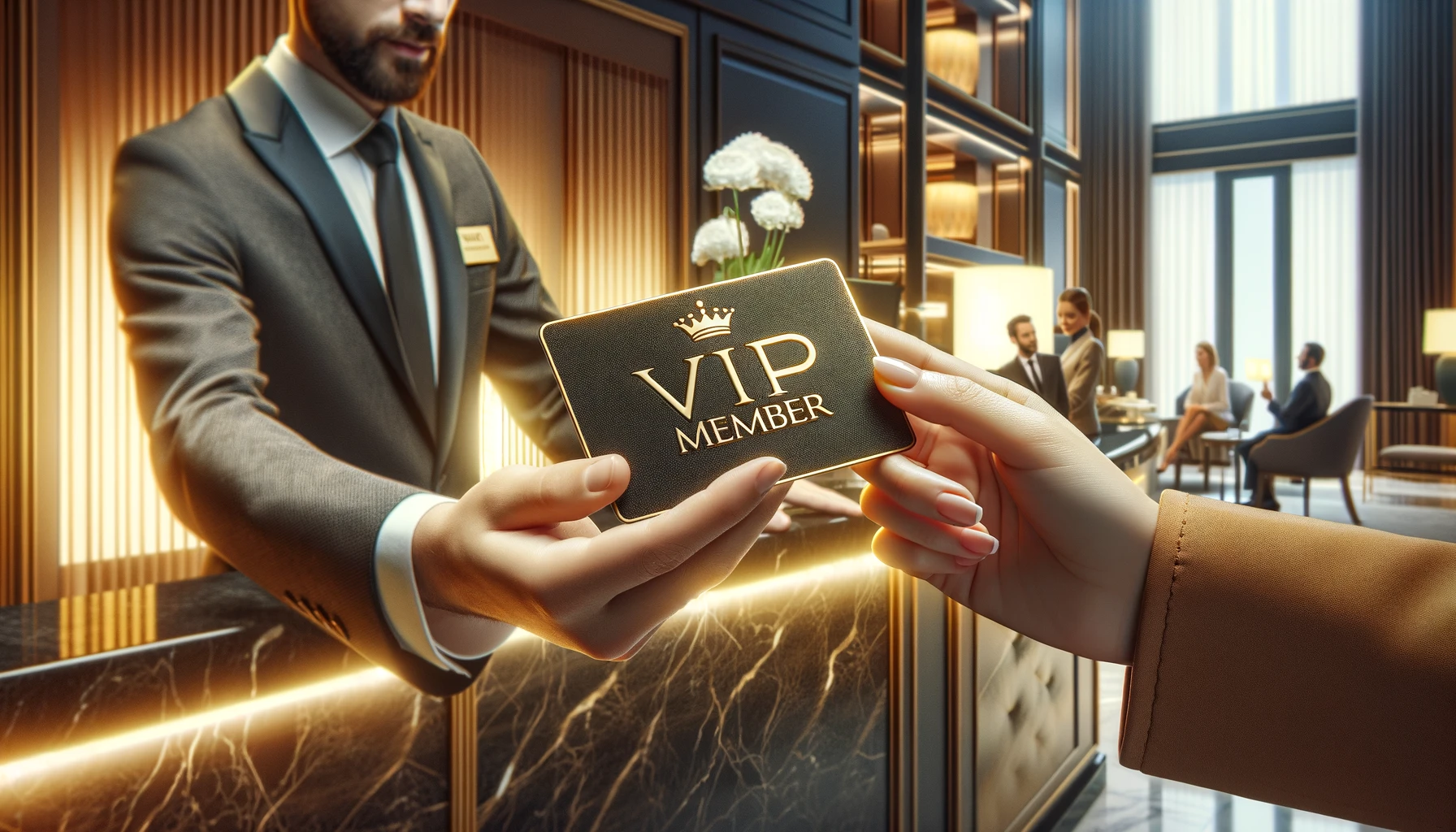
The SAP Emarsys report highlights that 20% of consumers loyal to a brand subscribe to a monthly service. Just as they do on these pages. In hospitality, this model could translate into exclusive memberships that guarantee preferential rates, priority access to rooms and personalised experiences. Brands such as Inspirato and Selina have already explored this strategy successfully, generating recurring revenue and strengthening their relationship with customers. Inspired by the success of platforms such as Netflix and Amazon Prime, this approach allows customers to pay a monthly or annual fee in exchange for exclusive benefits, from preferential rates and guaranteed upgrades to priority booking access and personalised experiences. Rather than relying on discounts or points accumulation, subscription turns the stay into a membership experience, strengthening the sense of belonging and exclusivity. One of this model’s greatest attractions is its potential to generate recurring and predictable revenue for the hotel. Unlike occasional bookings, subscriptions secure a steady revenue stream, enabling more stable financial planning and better occupancy management. They also create a closer relationship with guests, encouraging them to return and make use of their benefits, which increases repeat stays and reduces customer acquisition costs. Some brands are already experimenting with this concept, offering memberships that include nights, access to exclusive events or culinary experiences designed exclusively for subscribers. The hospitality subscription model is already being explored by a range of brands through innovative approaches aimed at retaining customers through exclusive and personalised experiences. One notable example is Inspirato Pass, a membership that, for a fixed monthly fee, allows subscribers to access a broad network of luxury hotels, private villas and exclusive experiences with no additional nightly costs. This model removes the friction of traditional booking and turns accommodation into a recurring benefit, similar to a subscription to a private travel club. Another interesting case is Selina, the hotel chain focused on digital nomads, which offers a “Selina Subscription”, through which members can pay a monthly fee to stay at any of the brand’s properties worldwide for a specified number of nights. In addition to accommodation, the programme includes access to coworking spaces, exclusive events and networking activities, aligning with the needs of its core audience. This model not only builds customer loyalty, but also creates a global community of travellers with shared interests, generating a deeper connection with the brand. With a more traditional approach, chains such as Marriott and Accor have begun experimenting with premium membership programmes, through which customers can pay an annual subscription to receive benefits such as exclusive discounts, guaranteed upgrades, access to VIP lounges and personalised experiences. Although they do not offer complimentary nights, these subscriptions aim to create a sense of exclusivity and preference that motivates customers to choose the brand repeatedly. As more hotels explore this model, hospitality subscriptions are likely to evolve towards even more personalised formats, in which guests pay not only for rooms, but for a continuous relationship with the brand and an exclusive lifestyle. To compete in this new era of fluid loyalty, hotels must focus on building loyalty through personalised experiences and lasting relationships, rather than solely on discounts or transactional rewards. Some keys to achieving this include:- Invest in predictive technology to personalise the guest experience and anticipate guest needs.
- Design pricing strategies based on perceived value, not solely on cost.
- Create memberships or subscription models that secure recurring revenue and foster a sense of belonging.
- Use neuroscience and sensory marketing to optimise guest perception and their recollection of the stay.
- Listen to and act swiftly on feedback to improve the experience proactively.