
The New Value Model Reshaping Hospitality

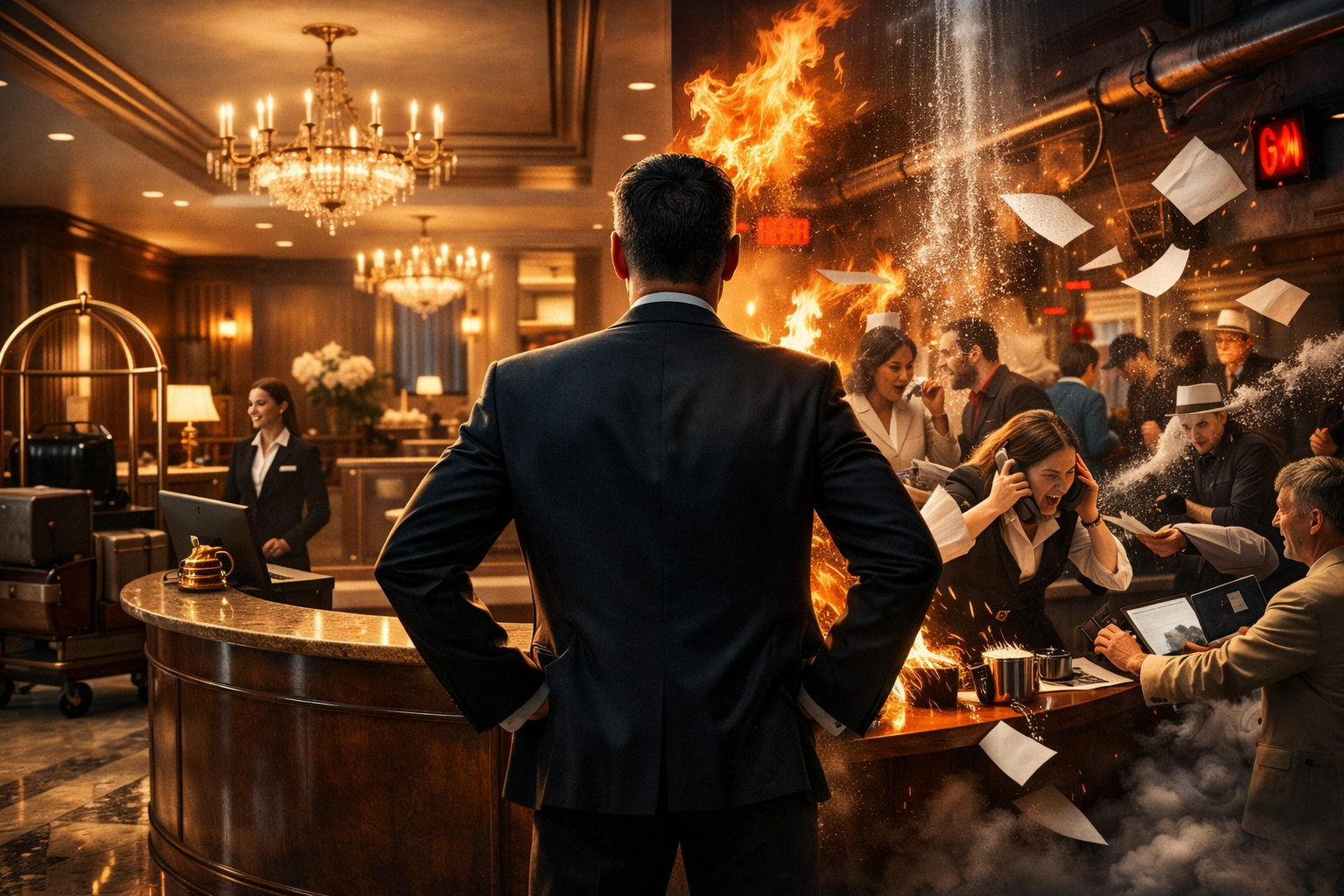

For years, in Hospitality, we have repeated the word personalisation almost like a mantra. We have used it in presentations, strategic plans and sales pitches. Yet, if we are honest, what we called personalisation was often little more than a superficial layer: a name on a screen, a recorded preference, a bottle of wine in the room.
Today, the context has changed radically. It is not that personalisation has ceased to matter. It is that it is no longer enough.
Today’s travellers do not just compare hotels. They compare experiences, emotions and outcomes. And they do so in real time, with a level of analytical ability and expectations that would have been unthinkable only a few years ago. They are not less satisfied because hotels have become worse, but because their expectations have evolved faster than our value proposition.
I have seen this transformation first-hand. Guests no longer simply want to stay somewhere. They want to feel that their stay has purpose, that it gives them something, that it fits the stage of life they are in. Ultimately, they are looking for something far more complex: they want to be transformed.
And this is where many hotels continue to operate with an outdated model, trying to compete on features when the market is already valuing impact, relevance and consistency.
Because the key question is no longer “how do we personalise the stay?”, but rather: what changes in the guest’s life after staying at our hotel?
From Personalisation to Outcomes: The New Value Model in Hospitality
For a long time, Hospitality has operated around three pillars: product, service and experience. Today, we are entering a fourth dimension: the customer outcome. And that changes everything.
It is no longer enough to offer a good experience. The experience is merely the means. The real value lies in what the customer achieves through it.
Today’s traveller seeks control, convenience and an experience tailored to their context. But behind these words lies something even deeper: they seek emotional and life efficiency. They want to feel they made the right choice, that their time has been respected and that their stay was worthwhile.
That is why it is worth remembering something essential: guests do not buy a room; they buy genuine rest. They do not buy breakfast; they buy energy for their day. They do not buy a spa; they buy mental escape. They do not buy location; they buy time. Once we understand this, the way we design, sell and operate a hotel changes.
- Genuine customer centricity: putting the customer at the centre does not mean repeating the phrase in a meeting. It means redesigning the operating model from their perspective and reviewing every process through an uncomfortable yet necessary question: does this add value for the guest, or merely serve our own internal convenience?
- Intentional experience design: the experience cannot depend exclusively on the individual talent of one brilliant employee. It must be designed, sequenced, trained and delivered consistently. Improvisation may impress once; method builds loyalty.
- A complete view of the journey: the experience neither begins at check-in nor ends at check-out. It starts when the customer imagines the trip and ends when they decide whether to return, recommend or forget. Everything matters: inspiration, booking, arrival, the stay, departure and the memory.
- Intelligent use of data and AI: artificial intelligence should not be used to make the relationship colder, but to make it more precise. Its value lies in anticipating needs, removing friction and freeing up team time so they can focus on what no machine will do better: observe, listen, interpret and care.
- Emotional segmentation: for years, we have segmented by age, nationality or purpose of travel. That remains useful, but it is no longer enough. Two customers in the same segment may expect entirely different things. The emotional context of a trip is often more relevant than the customer’s demographic profile.
This shift requires a complete rethink of hotel strategy. The strongest competitor is no longer the one that accumulates the most services, but the one able to build a proposition that is more useful, more consistent and more meaningful for the guest.
Designing Experiences Customers Are Willing to Pay For, Remember and Recommend
One of the most common mistakes I see is the belief that creating experiences means adding services. Not always. In fact, sometimes the opposite is true: an experience improves when we remove complexity, noise, dead time or unnecessary promises.
Creating experiences means intentionally designing the customer journey. And that requires method, sensitivity and business vision.
- Complete consistency between promise and delivery: the greatest enemy of CX is not an isolated failure. It is an inflated promise. When marketing promises more than operations can deliver, guests do not feel disappointed by a detail; they feel misunderstood. And that damage is far more costly to repair.
- Eliminating invisible friction: slow check-ins, repetitive processes, poorly explained waits, ambiguous responses or confusing signage. These are details that often do not appear in a strategic meeting, but they do remain in the customer’s emotional memory. Friction is rarely celebrated; it is always paid for.
- Time to First Value: if customers do not perceive value in the first few minutes, the experience starts in negative territory. In Hospitality, those first moments carry enormous weight. The welcome, clarity, smoothness and initial sense of control shape everything that follows.
- The ability to adapt in real time: not all customers want the same thing, nor do they want it at the same moment. Excellence today is not only about standardising well; it is also about knowing when and how to depart from the script without losing consistency.
- Team empowerment: there is no memorable experience without people who have room to make decisions. A constrained team executes. An empowered team resolves, surprises and builds trust.
The experience happens at the point of human contact. Always. Even when technology is involved, guests interpret that technology as part of the care they receive. If it makes things easier, it adds value; if it makes things harder, it takes away. It is that simple.
Books to run a hotel with judgement
Written from the general manager’s chair: technology, guest experience, leadership and management.
 The Intelligent HotelData, Artificial Intelligence and a New Way to Run Hotels
 Directing HotelsWhat Nobody Tells You Before You Sit in the General Manager’s Chair
 The Guest JourneyDesigning Customer Experience Across the Entire Hotel Journey
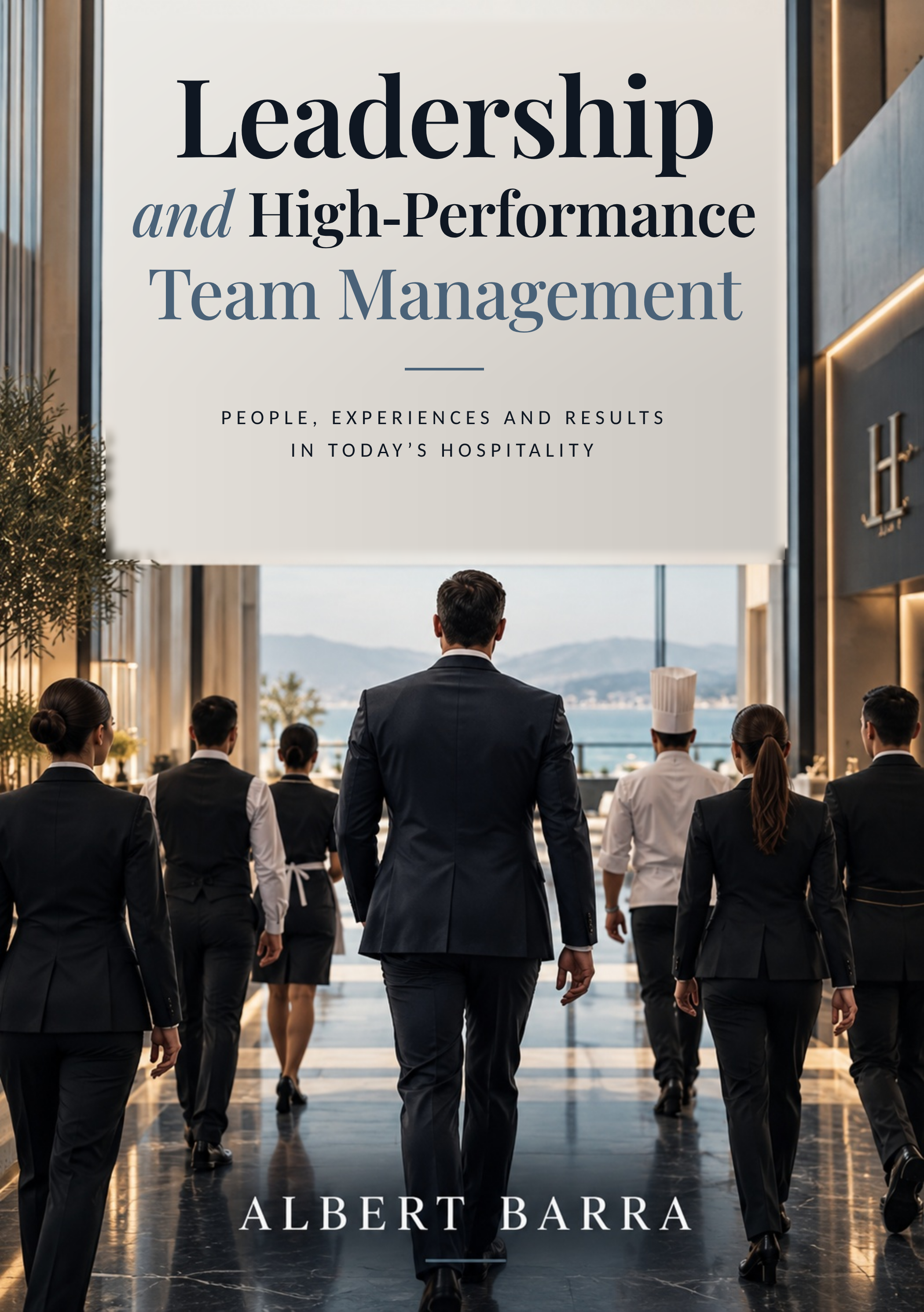 Leadership and High-Performance Team ManagementPeople, Experiences and Results in Today\\\'s Hospitality
Let us look at how to put this approach into practice across different travel contexts.
- Leisure travel Leisure guests seek escape, discovery and enjoyment, but not necessarily in the same way in every case. Some want light itineraries, others complete freedom, and others local inspiration. That is why it works better to offer flexible scenarios rather than fixed packages. Local culture should feel authentic, not decorative; decisions should be easy, not overwhelming; and the hotel should help set the pace without imposing it.
- Business travel Business travellers value time efficiency more than ever. But it would be a mistake to reduce their experience to a comfortable desk and good Wi-Fi. They also need clarity, agility and small moments of mental recovery. A hotel that reduces friction, streamlines interactions and provides small spaces to disconnect is delivering far more value than it may sometimes realise.
- Family travel Families do not simply need activities. They need operational peace of mind. When a hotel anticipates needs, simplifies logistics and designs moments that work for both children and adults, it is solving more than a stay: it is easing tension, giving time back and improving the emotional quality of the trip.
Hospitality also remains a business of enormous operational complexity. That is why we should not lose sight of a truth that is far from glamorous, yet absolutely decisive: the interaction between employee and customer remains critical to the perception of value. There is little point in talking about advanced personalisation if daily execution does not measure up.
That is why I maintain that there is no CX without EX. There can be no strong customer experience if the employee experience is poorly designed. There is no personalisation without an operational culture. And there is no loyalty if the commercial promise travels in one lane while the operational reality travels in a completely different one.
In the years ahead, we will see many hotels continue talking about experience, while others begin to compete on something far deeper: the ability to generate a real impact on the customer. That is where the true competitive advantage will be decided.
Because when guests feel that a hotel has given them something relevant, they do not just return. They remember it. They recommend it. And they are willing to pay more.
If I had to share three practical pieces of advice for any hotelier seeking to evolve towards this model, they would be these.
First: stop thinking in terms of services and start thinking about customer outcomes. Changing that internal conversation transforms the strategy completely.
Second: review every touchpoint from the guest’s perspective, not through the internal logic of the operation. In a few days, you will identify more opportunities for improvement than in months of reports filled with comfortable metrics.
And third: invest as much in your team as you do in your product. Because ultimately, in Hospitality, the experience is not delivered by the building. It is delivered by a person, at a specific moment, with clear intent.
And that, however far artificial intelligence advances, remains profoundly human. Fortunately.
This article ends here. The archive does not.
Lead Hospitality brings together 1200 English articles published since 2018: years of experiences, decisions and lessons you can keep exploring.
What would you like to explore next?
Choose a direction and keep reading around what you want to solve, learn or challenge.