
The Risks of Over-Reliance on AI in Hospitality: A Critical Perspective

AI can enhance guest service, resource management and personalisation in hospitality, but it also raises concerns around authenticity, privacy, technology dependence, misinformation and jobs. Learn how hotels can use AI responsibly while keeping human service at the centre.
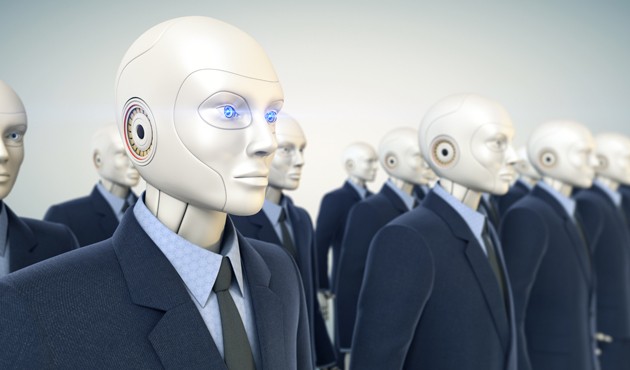
The Appeal of Artificial Intelligence in Hospitality
Let us begin by acknowledging how appealing AI’s potential can be in the hospitality industry. The opportunity to enhance guest service, streamline processes, personalise experiences and optimise resource management is undeniable. The automation of repetitive tasks and the ability to process large volumes of data in real time are promises that many hoteliers find difficult to resist.Potential Benefits of AI
- Enhanced Guest Service: Chatbots and virtual assistants can provide instant answers and solutions to common questions.
- Pricing Optimisation: AI can dynamically adjust rates according to demand, maximising revenue.
- Personalised Experiences: AI can analyse guest history and offer personalised recommendations.
- Task Automation: Tasks such as check-in, check-out and room cleaning can be automated.
The Hidden Dangers
However, it is crucial that we do not allow ourselves to be carried away solely by AI’s appeal, as there are substantial risks that deserve our attention and consideration. Let us address some of these specific risks:1. Loss of Authenticity
One of the greatest risks is that AI may lead to a loss of authenticity in hospitality. As chatbots replace staff members, what happens to the warmth and authenticity that characterise the human experience in hotels?
2. Privacy Risks
The mass collection of data that powers AI raises serious privacy concerns. Hoteliers must ensure that guest data is handled with care and complies with data protection regulations.
You have reached your free article limit
Subscribe to continue reading without limits, or unlock this article individually when available.