
The Hospitality Within Us

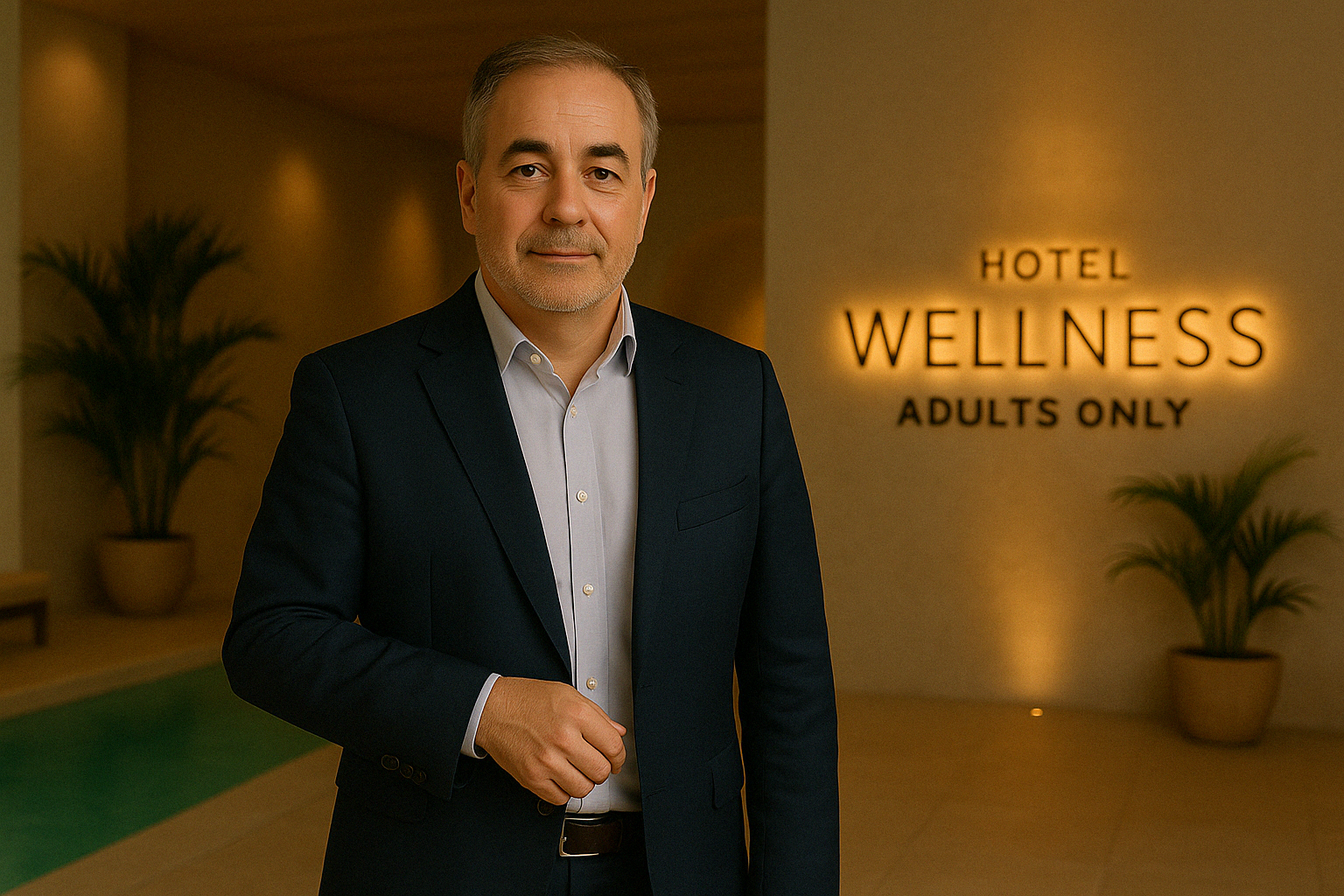

I think of the first time I was handed a procedures manual and told: “Implement them and open the hotel.” It was a thick binder, full of SOPs, ideal organisational charts and service sequences, handed over as casually as someone passing you a mid-morning coffee. There was no team, no guests. Just a half-finished building, an opening date, and an unspoken question: Could you do it?
And yet, I felt that moment belonged to me. Not because of what I knew, but because of what I was about to learn.
Over the years, I have come to understand that hospitality is not learned from manuals; it is lived in the margins of what has been planned. In the graceful improvisation of a maître d’ faced with an unannounced allergy. On the night shift when you are one receptionist short and the phones will not stop ringing. At an opening where you welcome guests to rooms without curtains, but with well-trained smiles.
I remember that first opening well. Not because it was perfect—it was not—but because it was mine. Because building a hotel from scratch is not simply about getting operations up and running; it is about creating a story. It is deciding what story that place will tell every time someone walks through its doors. And that story begins before the first guest arrives: it begins with the people who choose to create it.
Hospitality: more than a business, a vocation
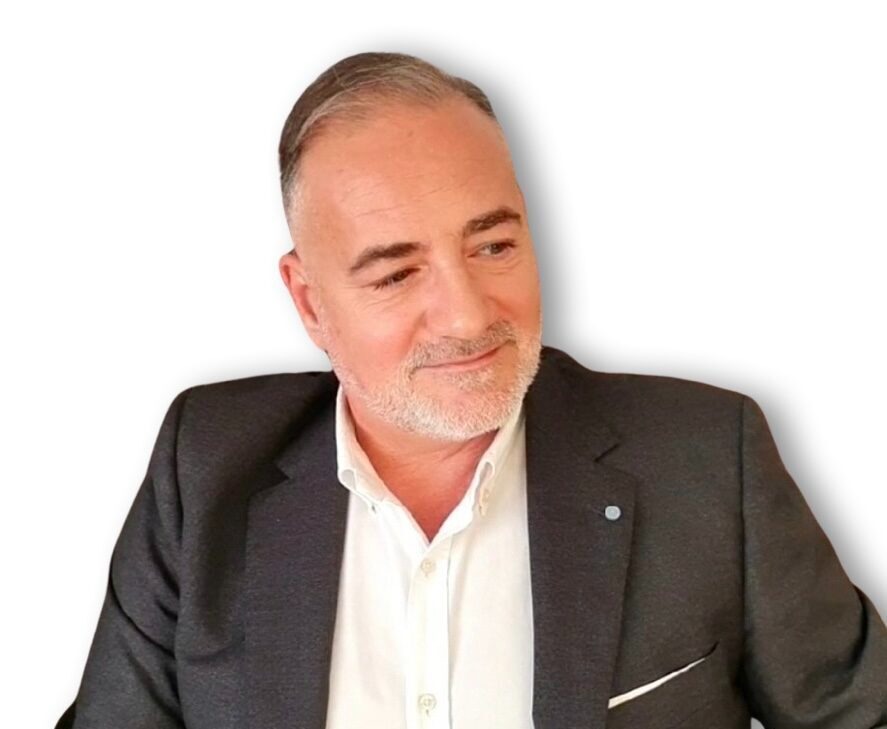 I have been a general manager, consultant, marketing leader, asset manager and hotel-opening specialist. But beyond the titles, I have been a companion through processes, a translator between ownership and operations, a facilitator between promises and realities.
What defines me is not my title, but having been there: when the lift button was not yet working, but someone was already asking about the pool. When we hired the first chef before the kitchen was finished. When a guest arrived 24 hours early by mistake and we accommodated them anyway.
That is hospitality. Making something work before it is finished. And making it moving nonetheless.
I have learned that:
No manual can replace an honest conversation with your team.
An opening does not begin on inauguration day, but on the day you choose the tone of “welcome”.
Rooms do not create memories. People do.
A service culture cannot be imposed; it is contagious.
Lead Hospitality LibrarySee the booksBooks to run a hotel with judgement
Written from the general manager’s chair: technology, guest experience, leadership and management.
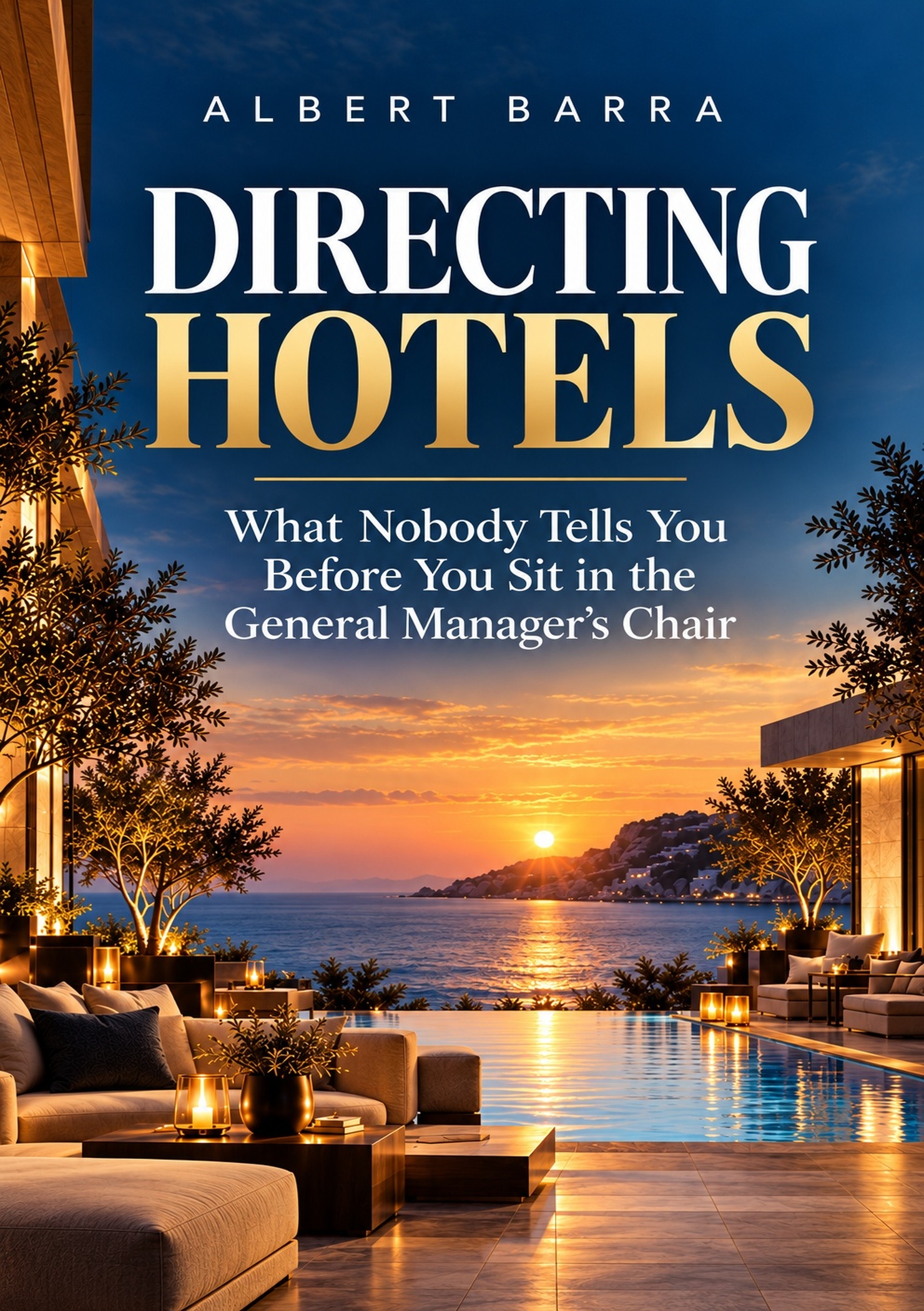 Directing HotelsWhat Nobody Tells You Before You Sit in the General Manager’s Chair
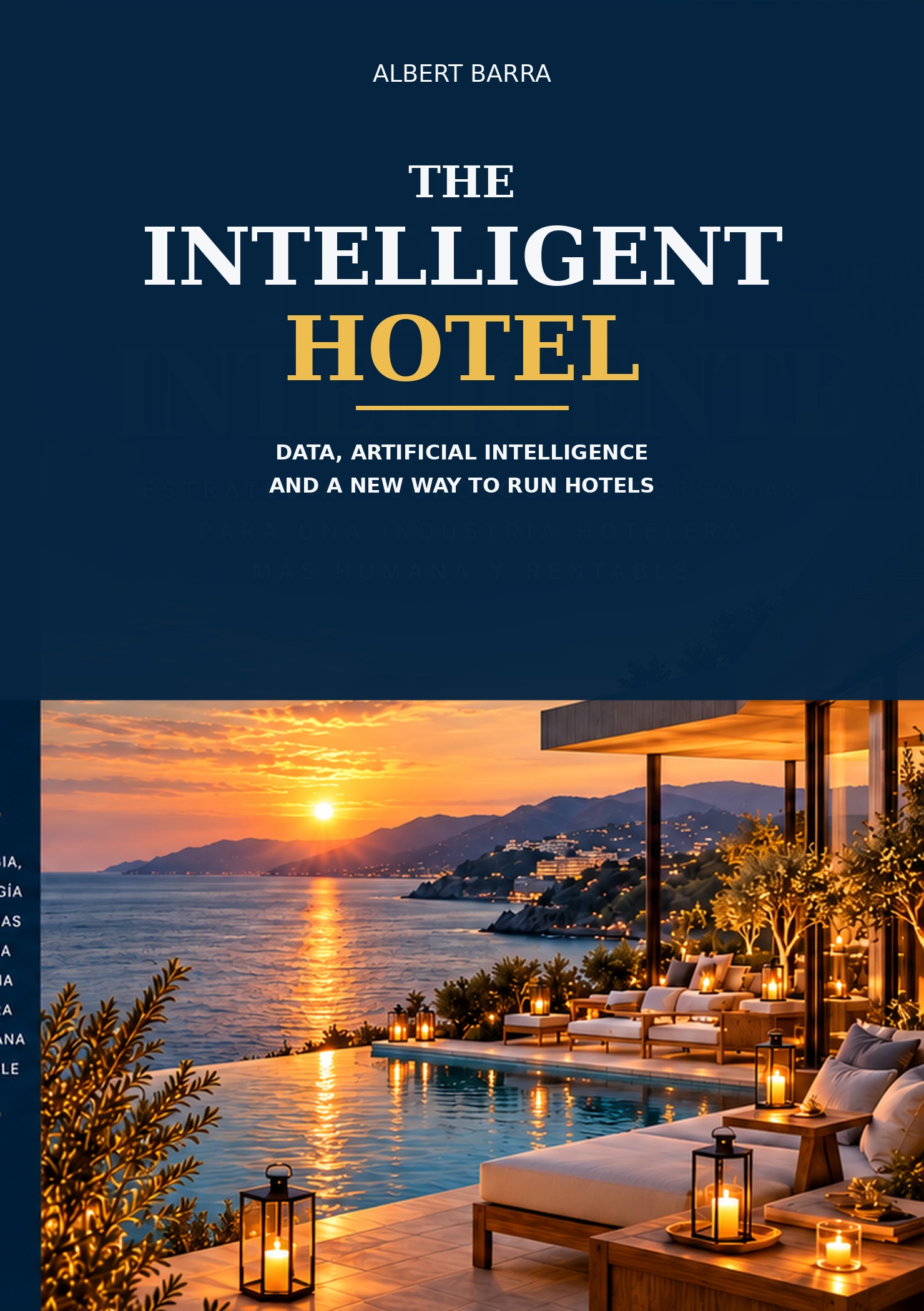 The Intelligent HotelData, Artificial Intelligence and a New Way to Run Hotels
 Leadership and High-Performance Team ManagementPeople, Experiences and Results in Today\\\'s Hospitality
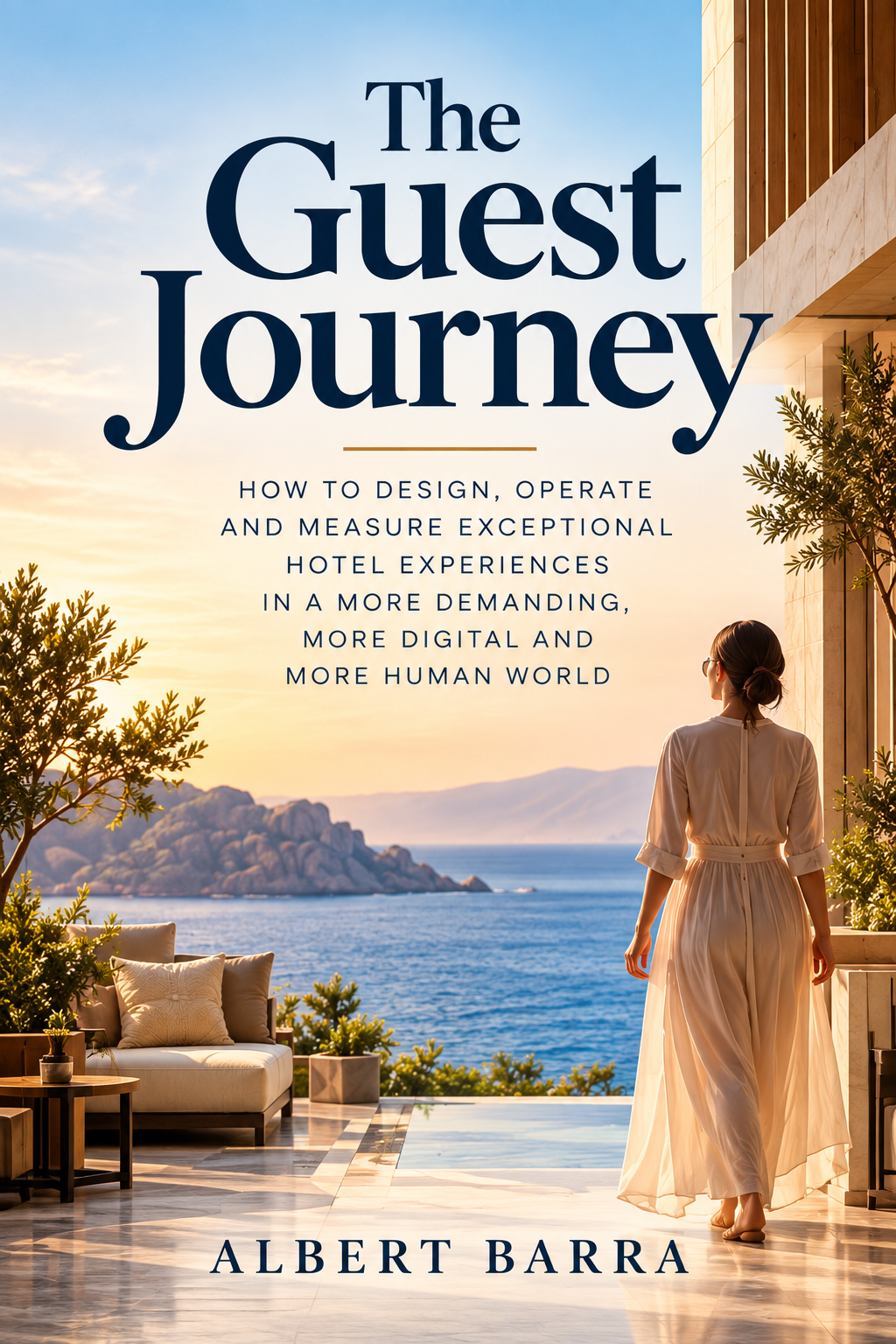 The Guest JourneyDesigning Customer Experience Across the Entire Hotel JourneyDigital edition · Personal licence · Free or discounted for subscribersSee all books →
Not all heroes wear suits. Some wear uniforms and know how to fold towels into origami.
The true hotel strategy—the kind that endures—is not found in campaigns or promotions. It lies in consistency. In having a clear purpose and standing by it when there is pressure, fatigue or changes in direction.
I have seen hotels double their RevPAR without losing their soul. And I have seen others fill rooms while emptying their reputation. In this profession, KPIs need to have heart, too.
Because guests remember little of what they see, but a great deal about how you made them feel. Excellence is not a goal; it is a collective state of mind, cultivated every day. Sometimes through grand gestures. But almost always through small details: the fresh flower, the check-in at an unexpected hour, the “don’t worry, we have already taken care of it”.
I do not know whether mine is the best way to open a hotel. But I know it works when, weeks later, a guest asks whether they can return to “their usual room” in a newly opened hotel.
Then you know you did not just open a business. You opened a place where someone wants to belong.
And that, my friend, is the true miracle of hospitality.
This article ends here. The archive does not.
Lead Hospitality brings together 1200 English articles published since 2018: years of experiences, decisions and lessons you can keep exploring.
What would you like to explore next?
Choose a direction and keep reading around what you want to solve, learn or challenge.