
AI in Hotel Housekeeping: Real-World Use Cases and Efficiency Metrics

Artificial intelligence is quietly transforming hotel housekeeping, streamlining workflows, reducing errors and helping teams anticipate needs with greater precision. This article explores real-world applications, key efficiency metrics and practical guidance for integrating AI into the operational heart of a modern hotel.
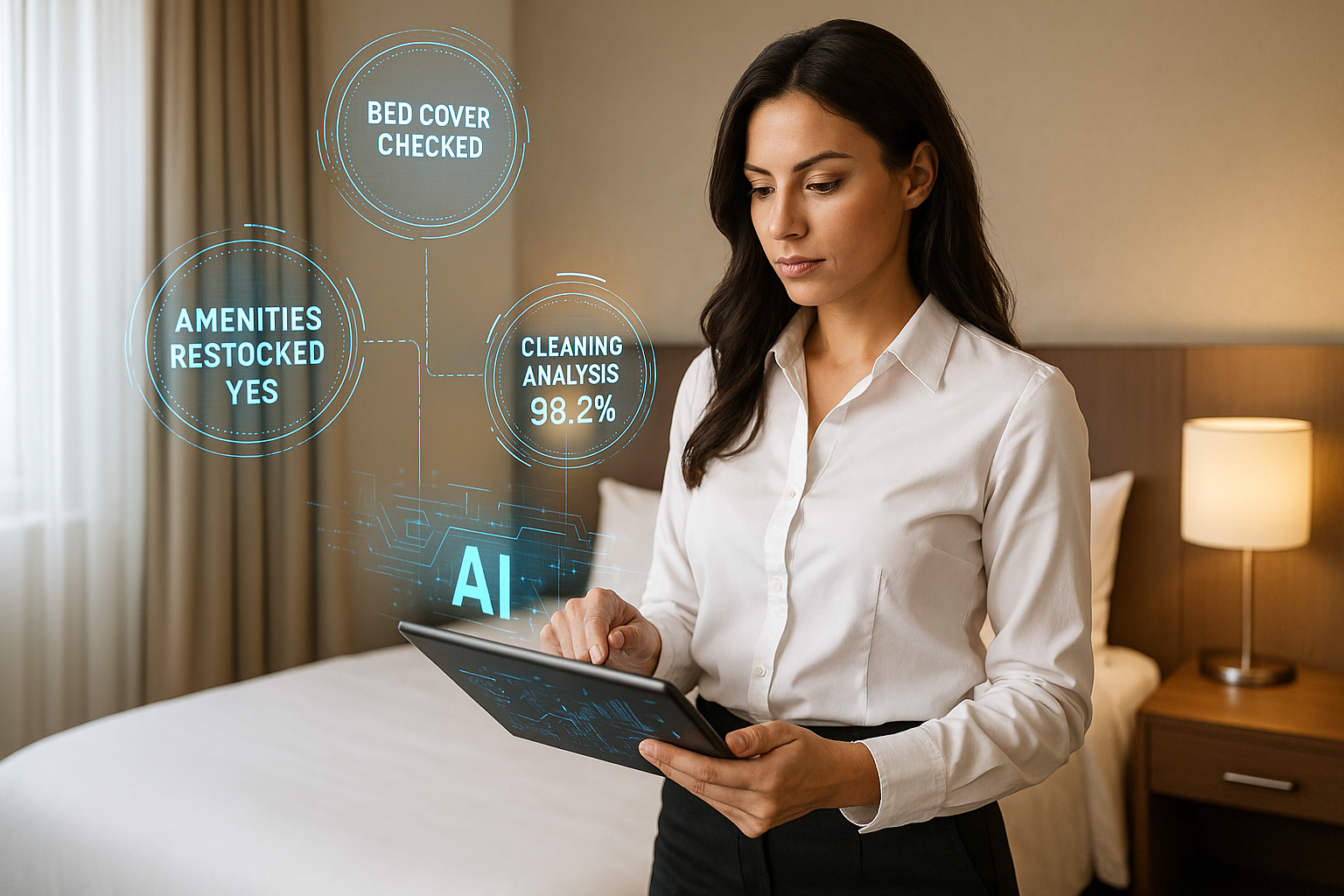

Just a few years ago, talking about artificial intelligence in a housekeeping department would have sounded like science fiction. Today, however, it is not only a reality but also a tool that is becoming increasingly embedded in the operating models of hotels striving for excellence. When applied well, artificial intelligence does not depersonalise service: it enhances it. And in housekeeping, where interaction with the guest room is direct, constant and critical, its added value can be transformative.
The operational pressure placed on housekeeping is immense: tight deadlines, short stays, non-negotiable cleanliness standards and historically high staff turnover. Added to this are contemporary challenges such as sustainability, labour shortages and growing demand for personalisation. The question many still ask is not whether artificial intelligence can help, but how it does so in concrete, measurable ways.
Keep reading without waiting for the next reset
Your free access includes 6 reads per week. Subscribe to continue now.