
Empathy and Active Listening in Hospitality



There are moments when you realise that Hospitality does not fail because of strategy, product or even price. It fails because of something far harder to measure: the inability to truly listen to the guest.
For years, we have made the industry obsess over metrics, processes and standards. And it is not that they are wrong. Quite the opposite. But there is an uncomfortable reality I have seen time and again: you can have the best SOP in the world… and still lose a guest in 30 seconds if they do not feel understood.
Empathy is not a soft skill. It is a critical operational tool. And active listening is not a courtesy: it is strategic intelligence applied to service.
I have seen hotels invest millions in repositioning, marketing or experience design… while the guest left frustrated because no one was able to understand what they truly needed. Not what they said. What they needed.
And this is where the problem begins: most teams do not listen. They interpret, react or execute… but they do not listen.

Because truly listening involves discomfort. It means questioning processes, egos and decisions. It means accepting that the guest is often right, even when they are not.

Stop managing isolated systems. Start managing the whole hotel.
HotelGEX connects guests, operations, Revenue, F&B, Groups & Events and Management into one intelligent hotel context — so every decision starts with a clearer picture.
And in an industry where the guest experience is everything, ignoring this is not a minor mistake. It is a structural one.
Empathy and Active Listening in Hospitality: The Invisible Asset That Defines Profitability
The evolution of the guest is clear: they no longer seek service alone. They seek understanding.
The very concept of the guest has changed profoundly. Today, we are speaking about people with emotional expectations, not merely functional ones. In this context, empathy ceases to be an added value and becomes a direct competitive advantage.
In practice, this translates into something very simple: two hotels may offer the same product, the same price and even the same level of service. Yet the guest will return to the one that made them feel understood.
And this is not theory. It is business.
Because guest satisfaction depends not only on service delivery, but also on the immediate impact that the team’s behaviour has on perception.
Put another way: we do not remember only what was done for us. Above all, we remember how it made us feel.
So why is this so difficult to implement? Because empathy cannot be fully standardised. And that is where many hotels become stuck.
The structural mistakes that undermine empathy in hotels tend to recur with almost cruel precision. Excessive service standardisation means everything is delivered correctly, but without soul. Task-oriented rather than guest-oriented teams follow processes but do not interpret situations. A lack of autonomy on the frontline means employees identify the problem but cannot act. An internal culture based on control rather than trust penalises mistakes, and initiative disappears as a result. And false operational efficiency ends up prioritising speed over the emotional quality of service.
And here a key concept emerges, one that is rarely addressed properly: empathy does not slow down operations… it optimises them.
Because truly understanding the guest reduces friction, prevents mistakes, lowers tension and improves the conversion of every interaction.
Active Listening: The Hotel’s Invisible Operating System
If empathy is the attitude, active listening is the method.
And this is where most hotels fail systematically.
Listening is not hearing. Listening is interpreting, validating and acting.
In operational terms, active listening has three very distinct levels. The first is surface-level listening, the most common: the guest is heard, a quick response is given and a standard solution is implemented. The result is usually a guest who has been attended to, but not necessarily satisfied.
The second level is functional listening: the problem is understood, the response is adapted and it is resolved properly. This is where satisfaction appears.
Books to run a hotel with judgement
Written from the general manager’s chair: technology, guest experience, leadership and management.
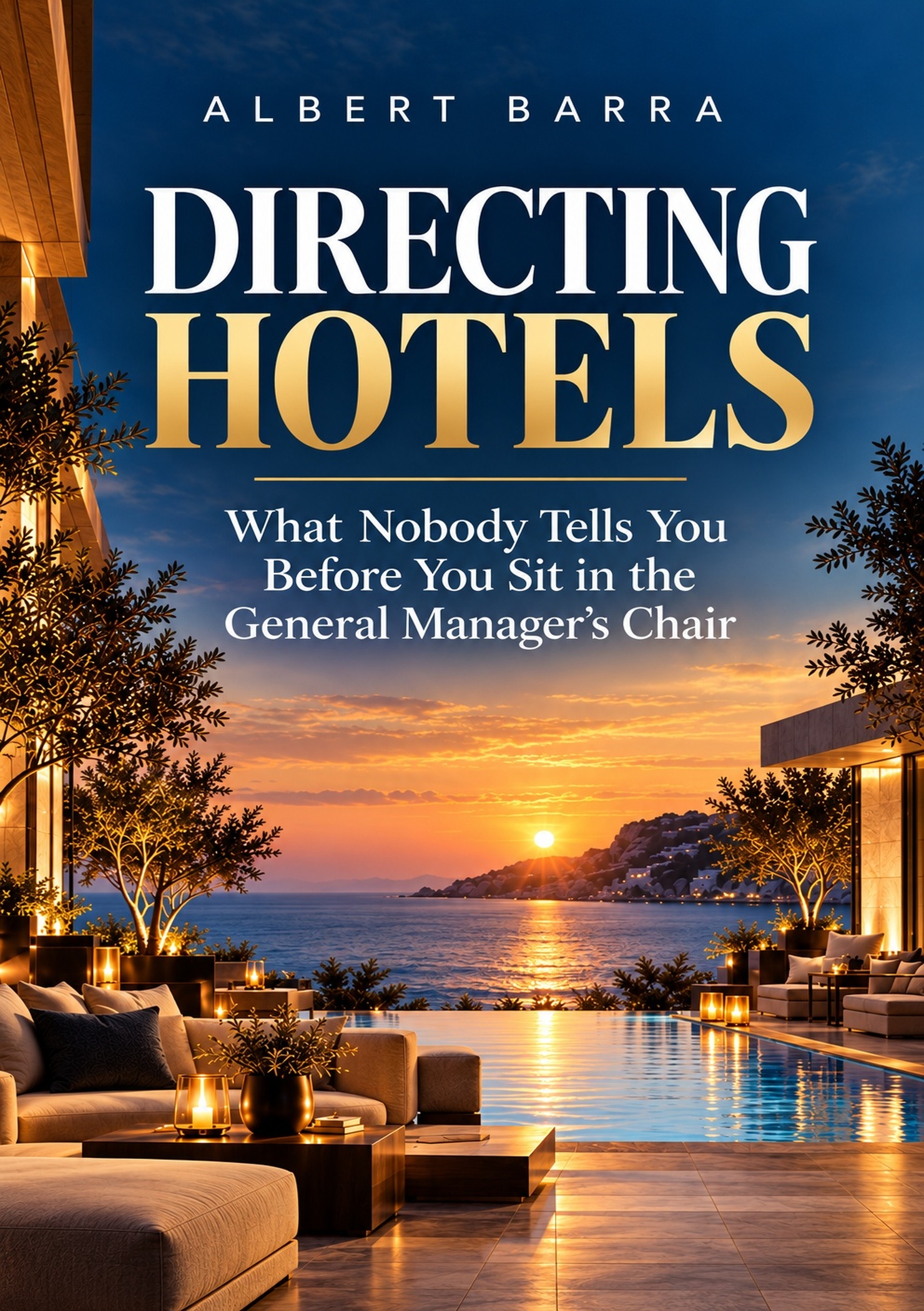 Directing HotelsWhat Nobody Tells You Before You Sit in the General Manager’s Chair
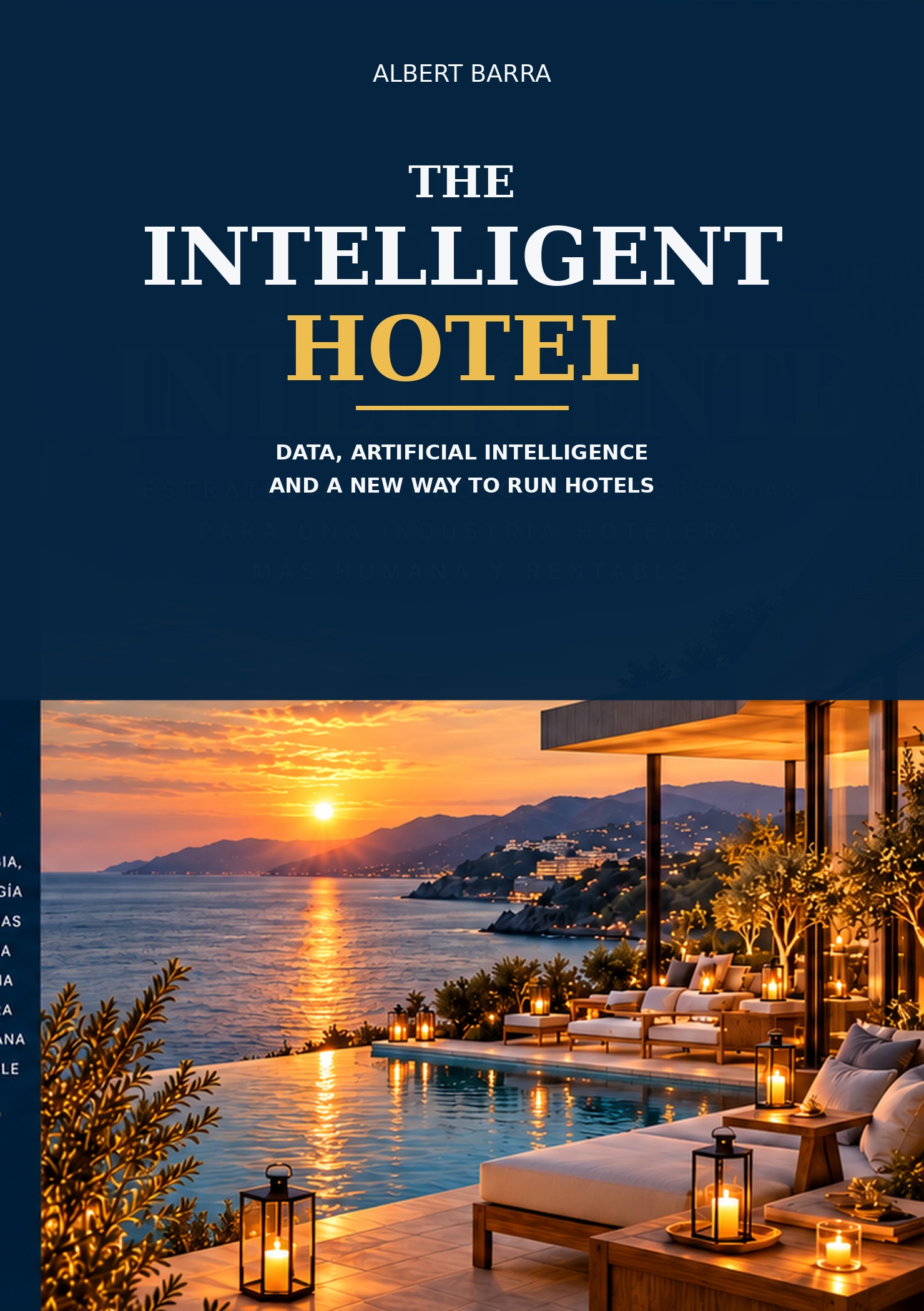 The Intelligent HotelData, Artificial Intelligence and a New Way to Run Hotels
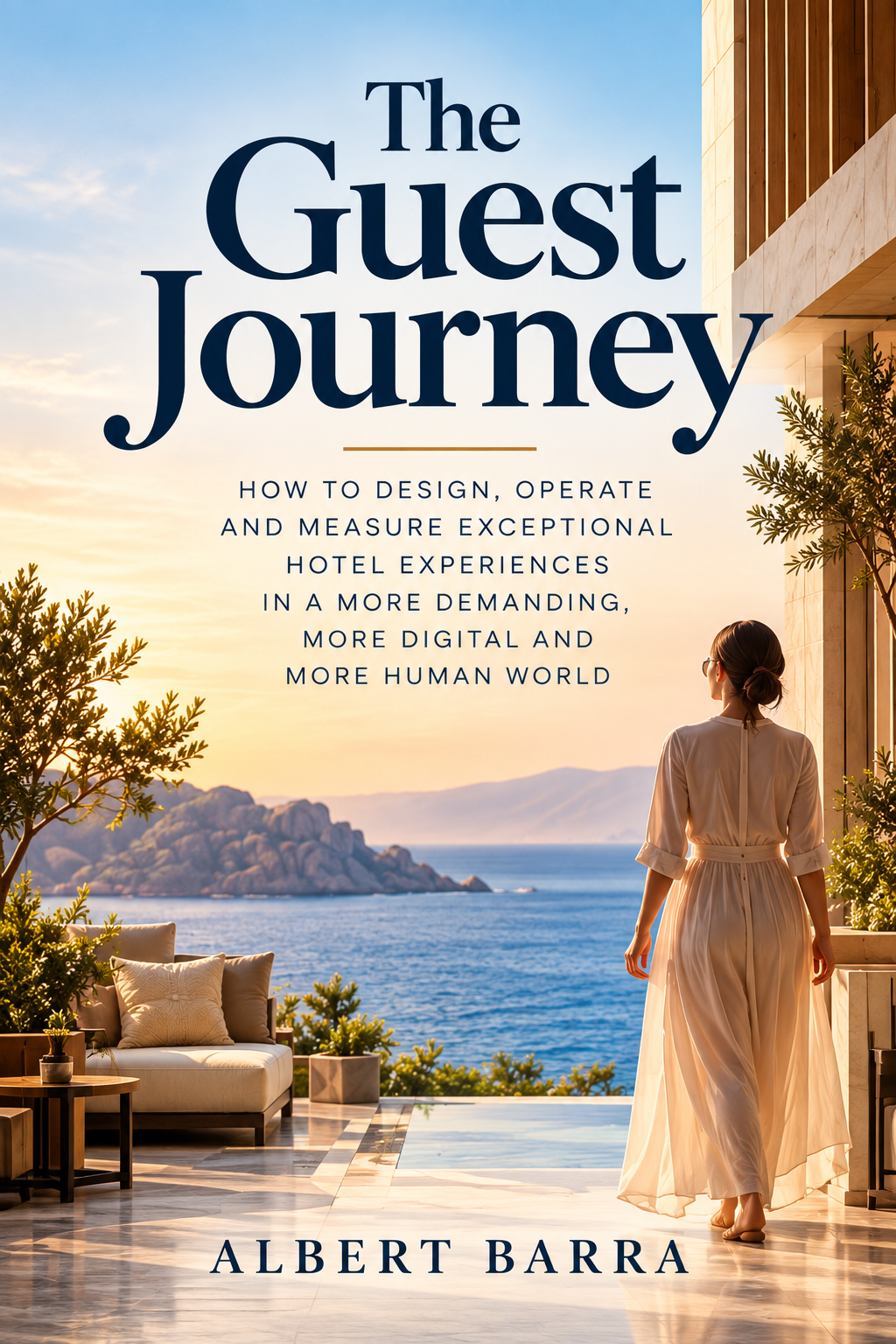 The Guest JourneyDesigning Customer Experience Across the Entire Hotel Journey
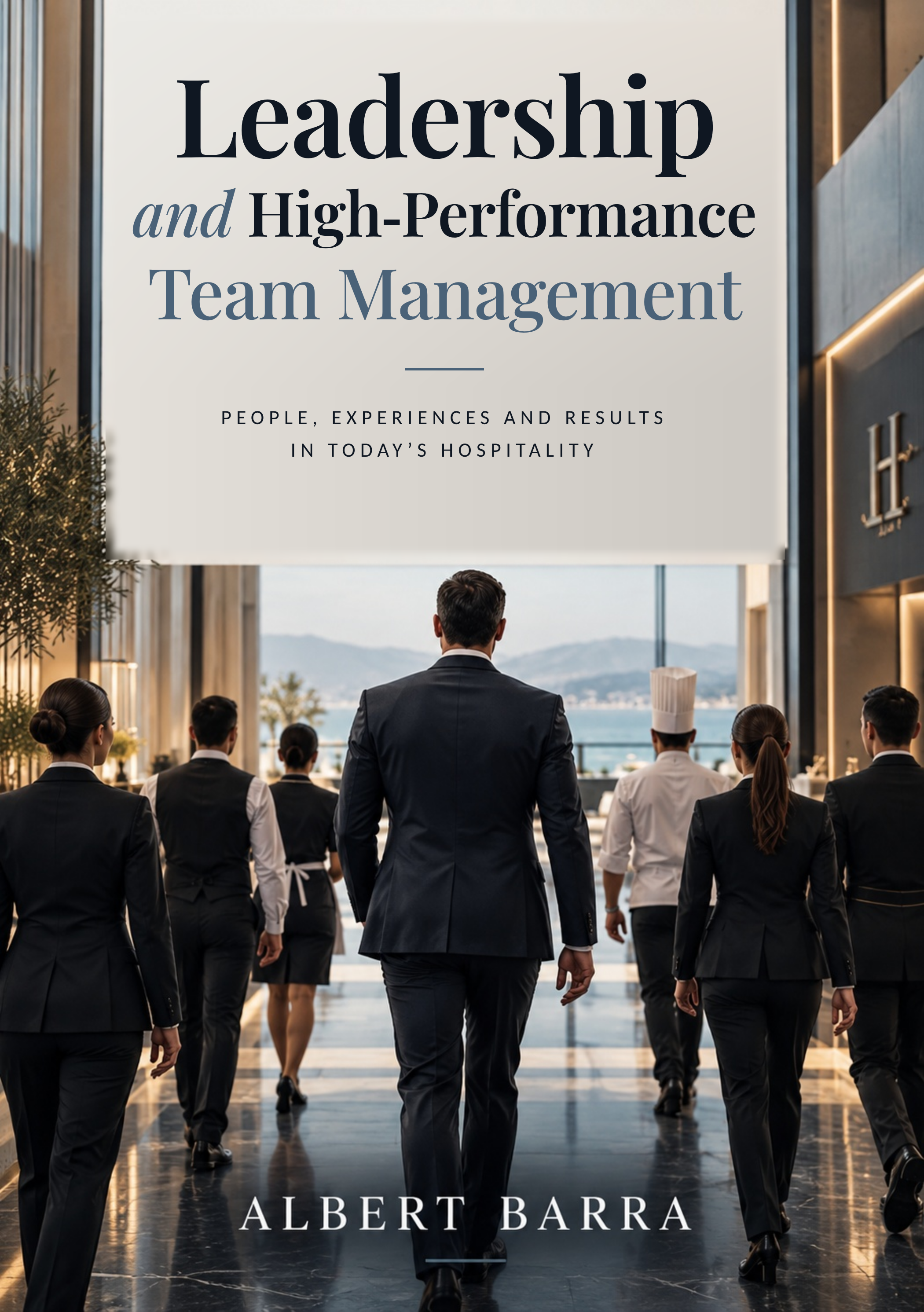 Leadership and High-Performance Team ManagementPeople, Experiences and Results in Today\\\'s Hospitality
But the third level—the truly differentiating one—is strategic listening: the emotional context is interpreted, the real need is anticipated and action is taken even before the guest asks. This is where loyalty is created.
And that is the difference between a competent hotel and a memorable one.
To implement active listening authentically in a hotel, one-off training is not enough. It requires a system. And I have learned that if it is not integrated into operations, it simply does not exist.
- Train observation, not just response: teach teams to read body language, tone, context and nuance.
- Design flexible rather than rigid protocols: standards should guide, but not limit service intelligence.
- Work with real-time feedback: correct and reinforce behaviours in the moment, not weeks later.
- Give the team autonomy: if everything is escalated, listening loses speed and credibility.
- Measure the qualitative as well: not everything that matters fits into a KPI, yet it determines the outcome.
Because the reality is that the greatest service moments are not found in the manual.
There is something I always try to remember: guests do not always know how to explain what they need… but they always know how they feel.
That is where our real work begins.
Because when a team learns to listen, it stops reacting… and starts anticipating.
And when it anticipates, it stops competing on price… and starts competing on value.
Sometimes, the best operational decision is not the most efficient one. It is the most human one.
And, interestingly, it is usually the most profitable one as well.
If I had to leave any hotel seeking to improve in this area with three practical recommendations, they would be these:
- Stop measuring only what is easy to measure. Empathy does not appear directly in RevPAR, but it shapes the entire experience and, with it, profitability.
- Observe your team more closely than your guests. The problem is almost never solely with the guest. It lies in how we interpret them, how we respond and the culture that sustains that response.
- Make listening a discipline, not an occasional attitude. Because service culture is not declared in a meeting. It is trained, modelled and reinforced every day.
In Hospitality, listening well is not a kind gesture. It is a way of managing better.
And the sooner we understand this, the sooner we will stop losing guests for reasons that will never appear in a report.
This article ends here. The archive does not.
Lead Hospitality brings together 1200 English articles published since 2018: years of experiences, decisions and lessons you can keep exploring.
What would you like to explore next?
Choose a direction and keep reading around what you want to solve, learn or challenge.