
Empathy in Hospitality: Creating Memorable Guest Experiences

Albert BarraSeptember 16, 2024 · 4 min read
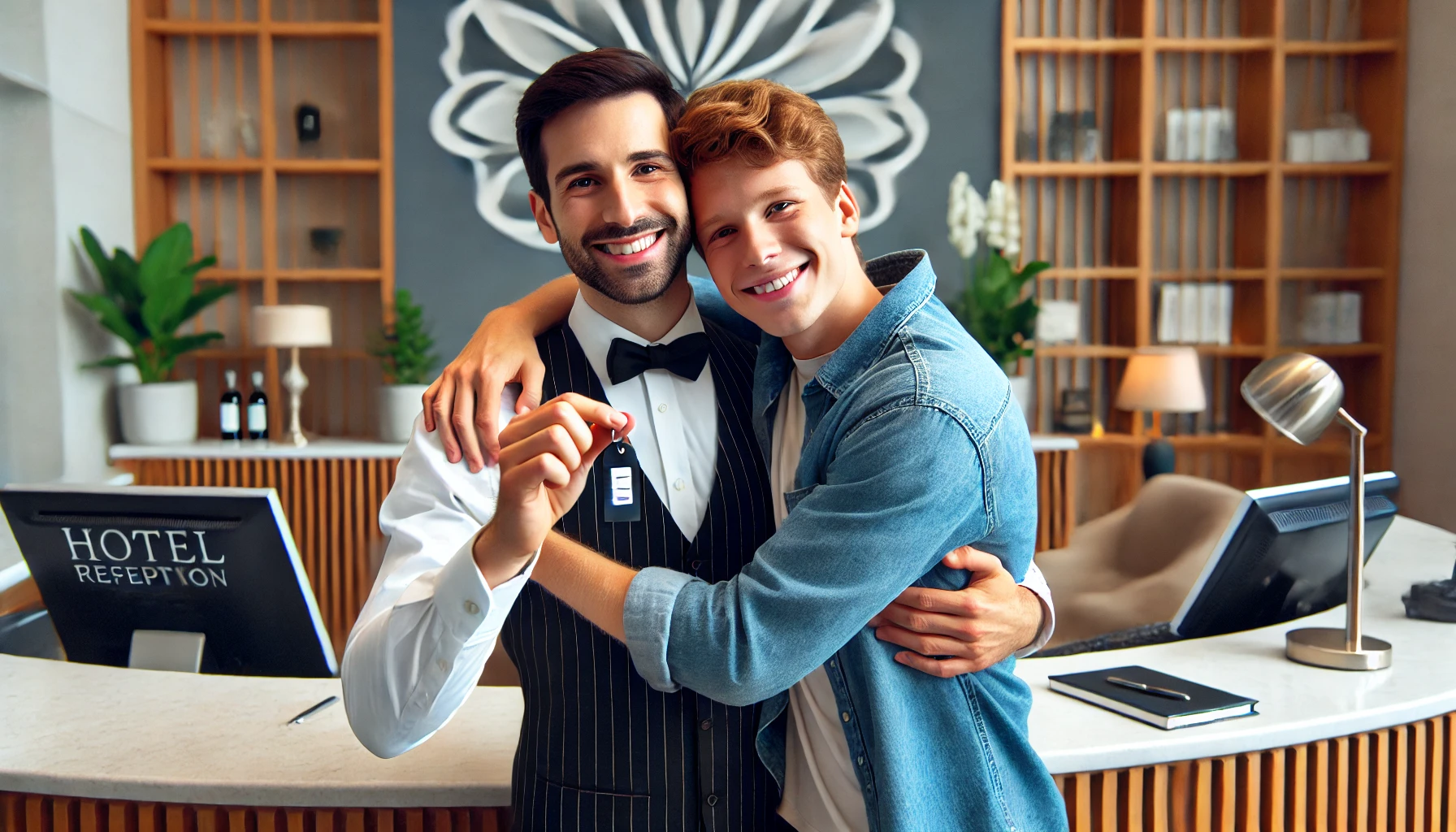

Empathising with the guest is not merely a desirable skill in modern hospitality; it is the foundation on which a truly memorable experience is built. It is not simply about understanding what the guest wants at a given moment, but about anticipating their wishes before they express them. This requires a deeper connection, an attunement that goes beyond the basics. Today’s travellers are looking for more than a comfortable bed or a varied breakfast; they want to feel understood. In an environment where competition is measured by the guest experience, empathy becomes our greatest differentiator.
I have seen how small gestures, based on a genuine understanding of what the guest truly needs, can transform an ordinary stay into an unforgettable one. Providing excellent customer service is not enough; we must go one step further. That quick glance that allows you to sense someone’s fatigue after a long journey, or that personalised touch showing that we remember their preferences from previous visits, are the actions that build loyalty and advocacy. Personalisation is key, and to achieve it, we must first be able to put ourselves in our guests’ shoes.
Empathising is not only an emotional exercise; it is a business strategy. Hotels that manage to connect emotionally with their guests generate not only satisfaction, but also higher revenue. According to a PwC survey, 86% of consumers are willing to pay more for a better personalised experience. Empathy is not a cost; it is an investment. This reality encourages us to adopt an approach that is both more strategic and more human.
To put this concept into practice, we must integrate empathy at every level of our operation. It is not only the responsibility of the guest service or front desk teams, but rather an organisational culture that places the guest at the centre of everything. Here are some key ideas I have applied over time to ensure empathy is part of the hotel experience from the very first interaction:
Empathising is not only an emotional exercise; it is a business strategy. Hotels that manage to connect emotionally with their guests generate not only satisfaction, but also higher revenue. According to a PwC survey, 86% of consumers are willing to pay more for a better personalised experience. Empathy is not a cost; it is an investment. This reality encourages us to adopt an approach that is both more strategic and more human.
To put this concept into practice, we must integrate empathy at every level of our operation. It is not only the responsibility of the guest service or front desk teams, but rather an organisational culture that places the guest at the centre of everything. Here are some key ideas I have applied over time to ensure empathy is part of the hotel experience from the very first interaction:
- Active listening: It is essential to train teams to listen carefully, not only to what guests say, but also to what they do not say. This includes interpreting body language, tone of voice and context. A casual comment about being tired after a flight may be the perfect opportunity to offer an additional service or a small welcome gesture.
- Anticipating needs: Guests should not have to ask for the same thing twice. Technology plays a crucial role here, making it possible to record preferences and behaviours. If a guest prefers firmer pillows or has allergies to certain foods, this information should be available to every relevant department.
- Proactive problem-solving: No one is perfect, and mistakes happen. Yet what truly makes the difference is how those mistakes are handled. This is where empathy sets the standard: a sincere apology, accompanied by a swift and effective solution, can turn a negative experience into an opportunity to strengthen the relationship with the guest.
- Continuous team training: Staff are the heart of the hotel, and their ability to connect emotionally with guests is crucial. Training in emotional intelligence and communication techniques should be a priority, ensuring that the entire team understands the importance of every interaction.
- Cultural adaptation: Guests from different countries have different expectations and values. Empathy also means understanding cultural differences and adapting our offering so they feel comfortable. This can range from providing television channels in their language to adapting menus to suit their cultural preferences.
- Genuine and honest feedback: Satisfaction surveys are important, but what matters most is what we do with that information. Make sure to close the loop by contacting guests to let them know that their feedback was not only received, but also used to improve the experience for future guests.