
Are OTAs Friends or Foes of Hoteliers?



The impact of OTAs (Online Travel Agencies) on the hotel industry is undeniable. They have transformed the way travellers find and book accommodation, opening the doors of both small and large hotels to a global audience. However, for those of us working behind the scenes, the relationship with these platforms is far from straightforward.
On the one hand, there is no denying that OTAs have democratised visibility. For a boutique hotel or small independent property, being listed on an OTA can mean the difference between being discovered and remaining unknown. These platforms provide access to a market that would otherwise be impossible to reach. They have also made the search and comparison process easier for travellers, who can now make informed decisions within minutes.
However, this apparent benefit comes at a cost, and not only in terms of commissions, which in many cases are excessive and erode profit margins. There is also the issue of dependency. Many hotels have reached a point where the bulk of their bookings relies on these platforms, limiting their ability to build direct relationships with guests. And herein lies one of the greatest challenges: control over the guest experience.
When a guest books through an OTA, direct communication between the hotel and the guest is limited. The platforms manage the data, the email communications and, in many cases, the initial interactions. This affects both the guest experience and the opportunity to build loyalty. The human touch—that essence that defines hospitality—is pushed into the background.
The challenges hoteliers face with OTAs
Behind every booking managed by an OTA lies a series of challenges that often go unseen. Here are some of the most significant:
- High commissions: For many small hotels, these commissions are unsustainable. While OTAs promise booking volume, profitability remains uncertain.
- Contractual restrictions: Agreements with these platforms often limit hotels’ flexibility, particularly when it comes to pricing or cancellation terms.
- Unfair competition: In some cases, unregulated or unlicensed accommodation is allowed to be listed, creating an uneven playing field and affecting the reputation of destinations.
- Lack of data and control: Hotels do not always have access to guest information, making personalisation and post-stay loyalty-building more difficult.
Despite these challenges, not everything is negative. It is clear that OTAs play a key role in today’s tourism ecosystem. The solution is not to reject them, but to work strategically to balance their impact.

Stop managing isolated systems. Start managing the whole hotel.
HotelGEX connects guests, operations, Revenue, F&B, Groups & Events and Management into one intelligent hotel context — so every decision starts with a clearer picture.
Striking the right balance
The key lies in diversifying acquisition strategies and prioritising direct channels. Here are a few ideas:
- Strengthen your own digital presence: Having an optimised, appealing and user-friendly website is essential. Ensure that the booking engine is efficient and offers incentives for guests who book directly.
- Offer added value: Creating unique experiences, such as exclusive packages or special benefits for direct bookers, can be a major differentiator.
- Invest in loyalty: Loyalty programmes and effective post-stay communication help maintain a long-term relationship with guests.
- Use OTAs strategically: Identify the markets or seasons in which OTAs are most useful and limit their use to those contexts.
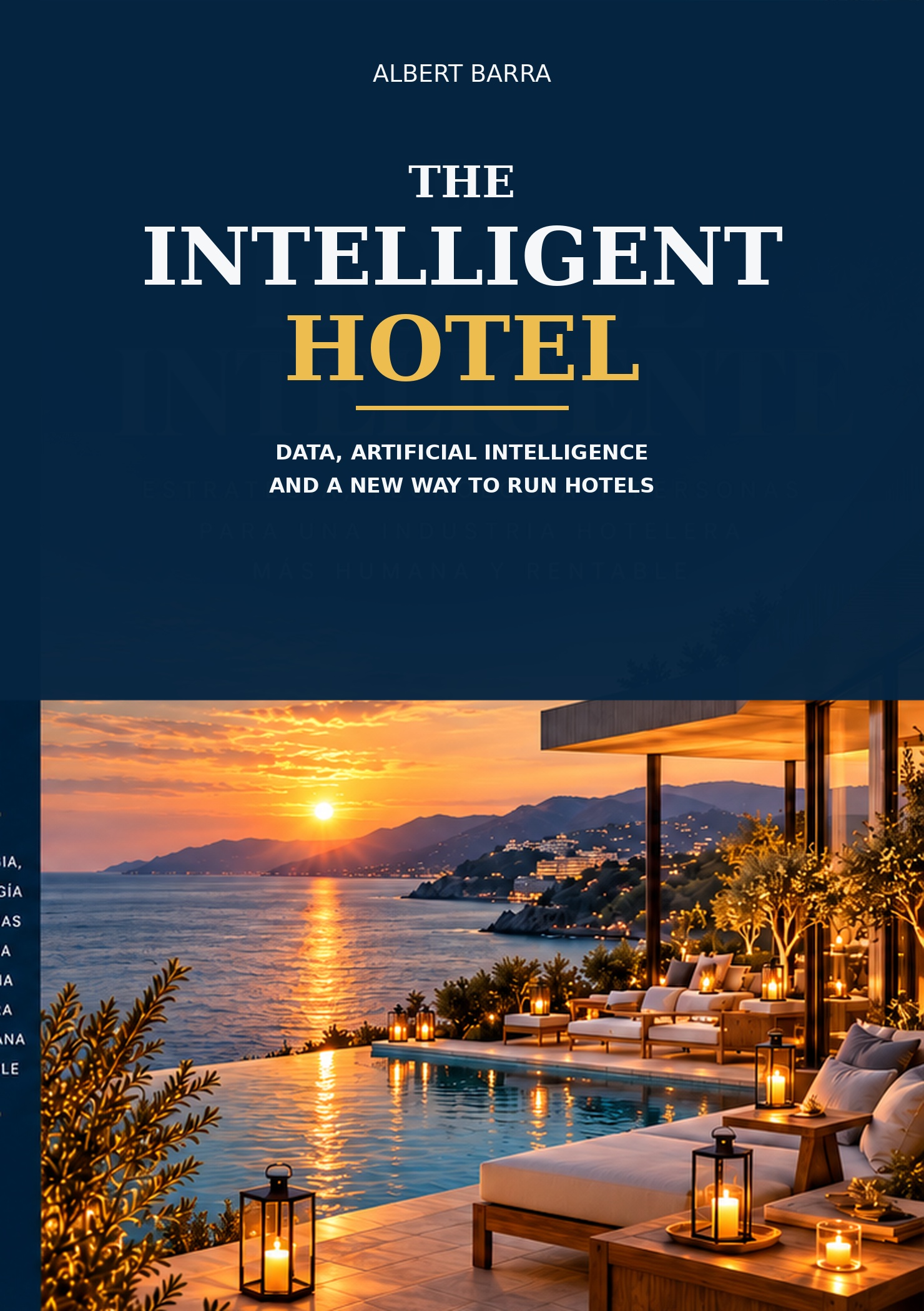


My published books
The future relationship between hotels and OTAs must be built on balanced collaboration. While these platforms hold immense power, we hoteliers also have the tools to find equilibrium and ensure that, at the end of the day, personalised service and human warmth remain at the heart of the traveller experience. After all, hospitality cannot be replaced by algorithms, and that is where we must focus our efforts.
To bring this discussion to a close, it is important to remember that success in hospitality does not depend solely on our relationships with OTAs, but on our ability to adapt to and leverage changes in the tourism landscape. OTAs are a powerful tool, but they are not the only one. Knowing when and how to use them can make the difference between a profitable strategy and harmful dependency.
A first step towards this balance is to prioritise building direct relationships with guests. Trust and loyalty are created through authentic interactions, not solely through digital platforms. This is where hotels have an advantage that no OTA can replicate: human connection and a deep understanding of the guest. Every opportunity to personalise a guest’s experience matters, from the first welcome to post-stay follow-up.
On the other hand, we must be proactive in defending our interests. Negotiating better terms, demanding greater transparency around commissions, and working together to address unethical practices on these platforms are actions that can benefit not only hotels, but also travellers and the sector as a whole. Collective action among hoteliers in advocating for fair regulatory changes will also be key to this process.
In addition, investing in staff training and technology to improve direct booking channels can help reduce reliance on OTAs. It is not about competing with their resources, but about drawing on the unique strengths of our service to attract and retain guests. Let us remember that an exceptional experience not only secures a future booking, but also turns our guests into ambassadors for our brand.
Finally, let us not forget that the core of hospitality has always been, and always will be, hospitality. Although OTAs have transformed the journey to our hotels, they have not changed the essence of our mission: creating unforgettable memories for our guests. If we can maintain that focus, using OTAs as strategic allies rather than as our only channels for survival, we will not merely adapt—we will thrive in this constantly evolving industry.
This article ends here. The archive does not.
Lead Hospitality brings together 1200 English articles published since 2018: years of experiences, decisions and lessons you can keep exploring.
What would you like to explore next?
Choose a direction and keep reading around what you want to solve, learn or challenge.