
The Perfect Hotel: A Personal Reflection on a Shared Hospitality Dream

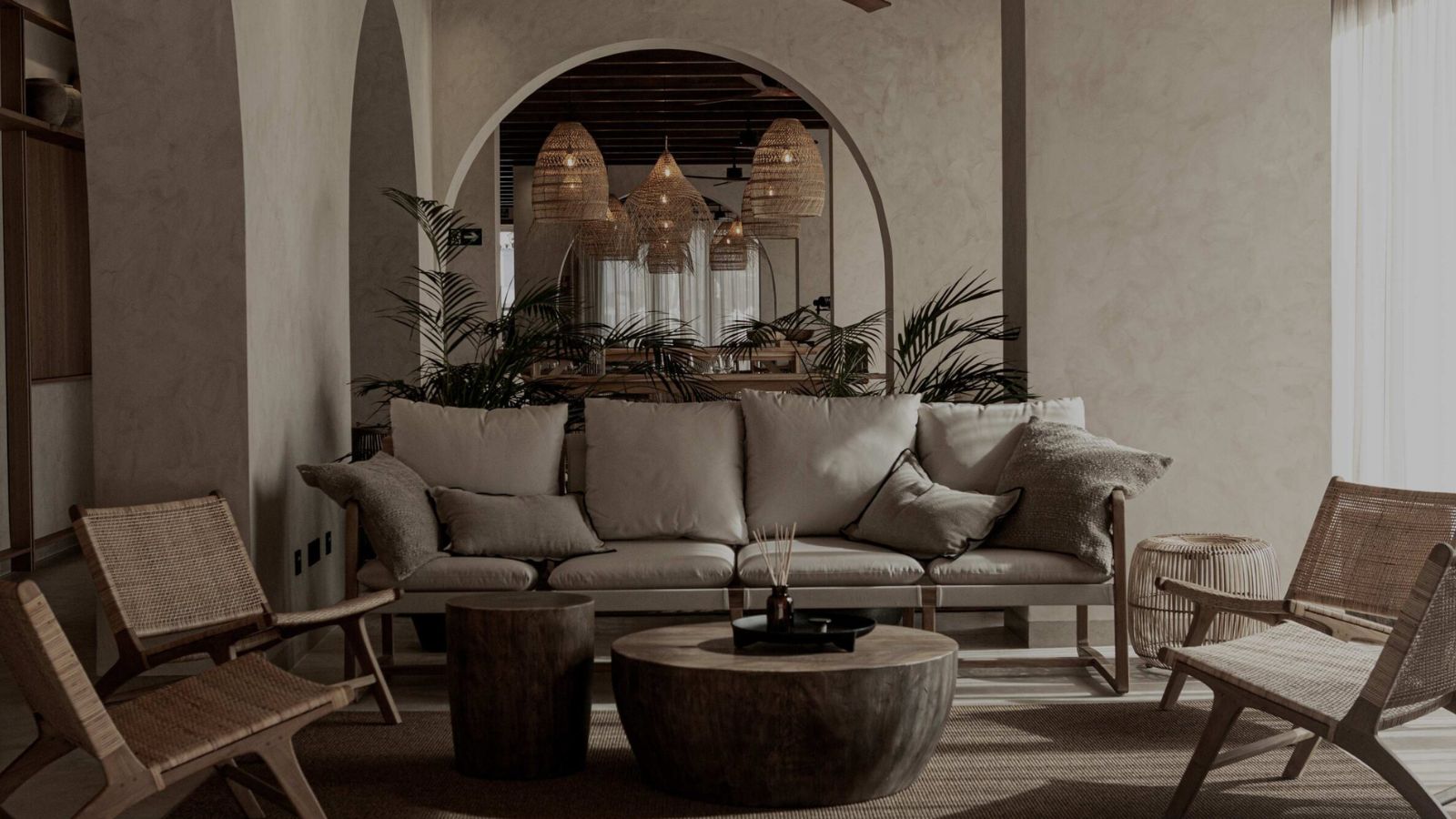

Sometimes I find myself wondering what the perfect hotel would be like. I do not mean a seven-star resort or a futuristic building filled with technological conveniences, but something deeper. A place where luxury translates into authenticity, where every corner speaks a language guests understand without words, and where hospitality is not a strategy, but a philosophy of life.
I have worked in enough hotels to know that perfection does not exist. And yet, I still dream of it. Because in hospitality, dreaming of the unattainable is also a way of moving forward. To me, the perfect hotel is not the most expensive, the largest, or even the most sustainable (although it should be). Above all, it is one that creates memories that remain forever in the guest’s mind. A hotel that, like a good book, makes you want to read it again.
When I speak with colleagues, I often ask: “What would the ideal hotel look like to you?” The answers vary, but they almost always strike the same notes: warmth, consistency, soul. Because, ultimately, what we remember about a hotel is not whether the Wi-Fi was fast or whether the restaurant menu was extensive, but how it made us feel.
What would that perfect hotel have? Here are a few ideas I am still refining:
 A clear, living purpose. Not one hanging on the wall, but one present in every decision. A purpose that inspires the team and connects with guests. An organisation’s purpose must guide it through times of change.
People who are passionate about service. It is not enough to have well-trained employees. The perfect hotel would have a team in which every member feels their role makes an impact. This is achieved through ongoing training, empowerment and, above all, listening. Effective communication and recognition are two of the skills most valued by successful hospitality leaders.
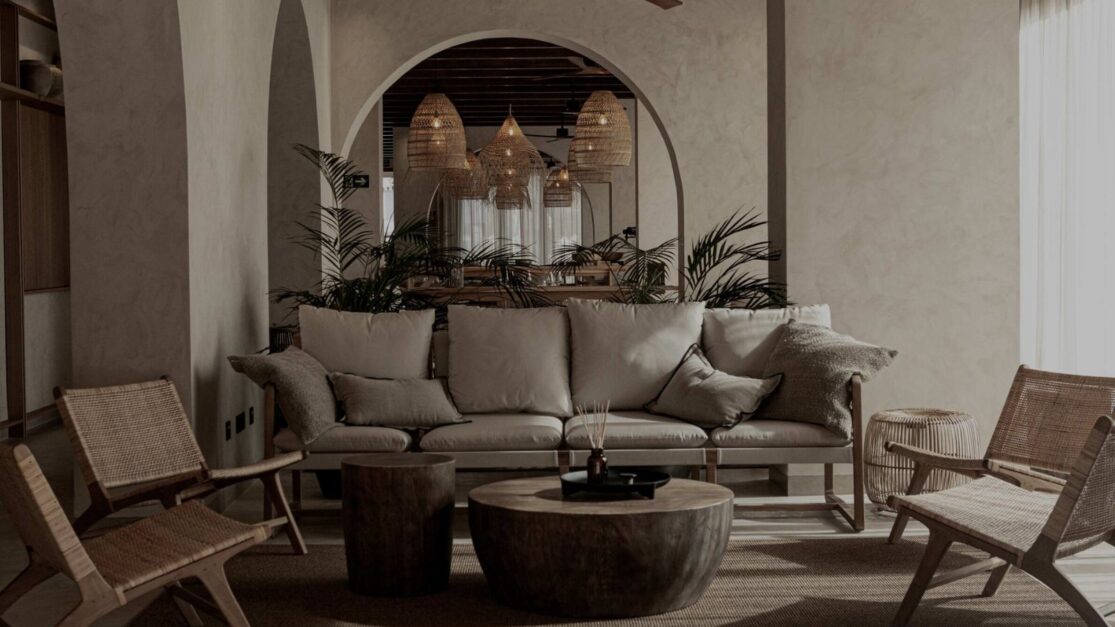
Spaces with identity. Design should not seek to impress, but to welcome. A room should tell a story, not follow a trend. The perfect hotel attends to the details: the scent of the lobby, the texture of the sheets, the music playing as evening falls. Its aim is not to dazzle, but to move people.
Genuine sustainability, not window dressing. It is not about asking guests to reuse their towels. It is about a cross-functional commitment reflected in locally sourced cuisine, efficient water management and collaboration with local suppliers. Sustainability is no longer an add-on; it is part of what travellers seek: 78% of guests prefer sustainable accommodation.
An agile, empathetic feedback system. In the perfect hotel, listening to the guest is not simply part of the check-out process, but an ongoing practice. More importantly, action is taken on what is heard. Guest feedback is essential input for fine-tuning strategy, offerings and the overall experience.
A soulful culinary offering. The perfect hotel’s cuisine does not try to be everything to everyone. It is focused. It tells a story. It celebrates the region. And it seeks balance between technique and approachability, between sophistication and emotional flavour.
Innovation in service of the guest. Not for the sake of fashion, but for functionality. A seamless check-in system, an app that makes the stay easier, lighting designed for rest. It is not about being technological, but about being more human through technology.
Lead Hospitality LibraryMy published books
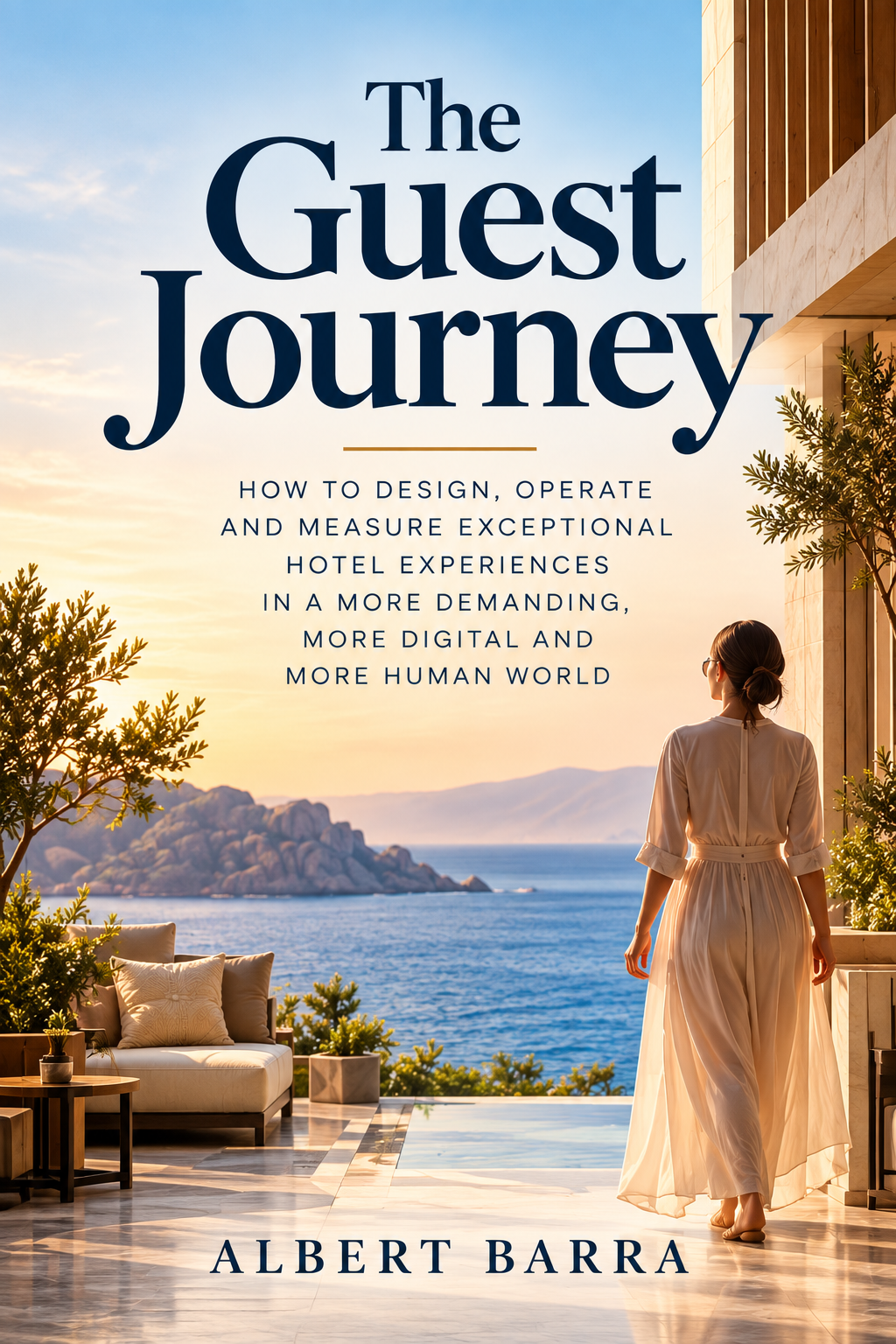
Directing HotelsWhat Nobody Tells You Before You Sit in the General Manager’s Chair→The Intelligent HotelData, Artificial Intelligence and a New Way to Run Hotels→The Guest JourneyDesigning Customer Experience Across the Entire Hotel Journey→See all booksDigital edition · Personal licence · Free or discounted for subscribersCourageous, horizontal leadership. In that hotel, general managers are not in the background; they are on the floor. They listen, learn and make corrections. And they understand that running a hotel is more like conducting a symphony than controlling a factory.
And how do you build a hotel like that?
Not with large budgets, but with vision, consistency and perseverance. Not by copying trends, but by deeply understanding whom we want to serve. The perfect hotel is not born from a blueprint, but from a conversation. From many conversations, in fact. With the team, with guests and with oneself.
A place where hospitality is not a slogan, but a daily practice. Where purpose is alive, people are committed, and every decision is made with the wellbeing of those who walk through our doors in mind. A space where time stands still, and the guest experience is the true centre of everything.

Stop managing isolated systems. Start managing the whole hotel.
HotelGEX connects guests, operations, Revenue, F&B, Groups & Events and Management into one intelligent hotel context — so every decision starts with a clearer picture.
It may not be perfect, but I can assure you that we work every day as if it were, and I am proud to lead this magnificent team of people. Because we wholeheartedly believe that excellence lies in the details, and that the real magic happens when we care for the invisible just as much as the visible.
That is why, rather than a utopia, the perfect hotel is a mirror. It shows us what we can become when we align purpose, people and product. Perhaps we will never fully achieve it, but along the way we become better hoteliers. And that is already enough.
This article ends here. The archive does not.
Lead Hospitality brings together 1200 English articles published since 2018: years of experiences, decisions and lessons you can keep exploring.
What would you like to explore next?
Choose a direction and keep reading around what you want to solve, learn or challenge.