
What Golf Has Taught Me About Hotel Leadership

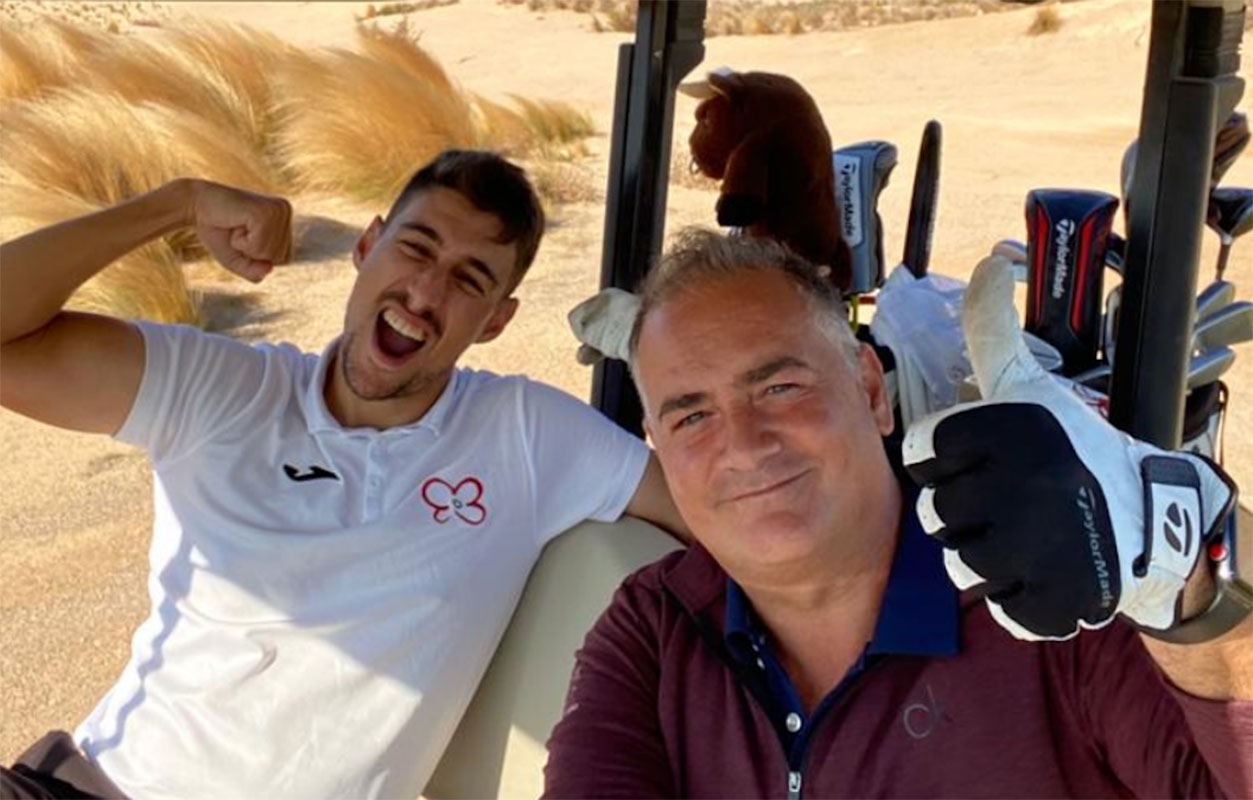

I admit it: I like golf. Whenever I have the chance, I try to get away for a few holes. It is not that I am a good player—because I am not—but I enjoy it. In fact, the more my game improves, the more I enjoy it. It also helps me relax and organise my ideas and thoughts. I admit that many of the articles published on these pages have been mentally developed with a golf club in my hands.
It has also helped me make great friends, both professionally and as an amateur. Although I have been professionally connected to the world of golf and golf resorts for many years, it was not until a few years ago that my friend Samuel convinced me to take it up. Since then, it has been one of the most rewarding and enriching things in my life, aside from what truly matters.

In work situations, I often try to use a golf analogy to offer a different perspective on a particular challenge. I know that my motivational talk for teams, using an analogy involving two golf balls, has become legendary—or so some colleagues have told me.
Golf also helps me assess other people. It is difficult to consistently hide one’s defining traits or personality flaws on a golf course. My starting point is that you are playing against yourself and that you need to enjoy it.
Golf and business have been linked since the game began. You can learn a great deal about a person by playing a round of golf with them, as the game reveals much about their character, mindset and willpower. But it can also teach us a great deal about management and strategy, and I try to bring all of this into my day-to-day work:
Technical skills
To become anything resembling a golfer, you need certain competencies and skills. You need to know how to hit a fade or a draw. You need to know how to swing a club, whether it is an iron, wedge, driver or fairway wood. And they say it is highly advisable to take lessons for all of this, although that is not my case—and it is certainly not for lack of opportunities.

The world of management is no different. In our professional work, one needs certain competencies, such as management and leadership skills, strategy, finance, food and beverage, marketing and human resources. You should also attend a hotel school or complete a master’s degree to develop or update these skills. As in golf, you need to develop and refresh these skills continuously. Both business and golf require a great deal of work: constant practice and continuous improvement.
Getting Better at Something Is Not the Same as Mastering It
Neither golf nor leadership can be mastered. We can progress through self-improvement, practice, action and experience; however, the idea of becoming a master is futile. Pursue the former and ignore the latter. When you reach the highest point, whether in golf or leadership, there is always further to go if you choose to continue the journey.
Have a Strategy
Most golfers soon realise that you should not aim for the hole with every shot. Some shots require a different strategy. You need to consider hazards, distances and the slope of the green, and plan your next shot before taking the one in front of you.
Hotel management also requires a strategy. Once you have gathered as much information as possible about a particular situation, you need to plan how you will make the most of it. This applies whether you are implementing new software, launching a marketing campaign or introducing a new service.
You should also ensure that your plan is realistic given your resources and budget. If a golfer knows they cannot hit a 350-metre drive, they should aim to play around the water hazard or get close to it and set themselves up for the next shot. If you know you do not have the resources to succeed with an initiative, seek out the missing pieces or choose a strategy in which you can succeed with the resources available to you.
Your strategy must be able to adapt to change, but it should not be abandoned at every minor variation. If a golfer planned to reach the green and ended up in a bunker, they need to adjust their strategy. That does not mean the entire plan was a mistake.
Leadership
In golf, if you play as part of a team, you need to demonstrate leadership within it. You also need to lead yourself, whether you play as part of a team or individually. And leadership is a choice. Are you creating a close-knit team that plays with integrity, or are you simply a group of four players? Businesses are crying out for leadership. You need to create a vision and inspire people around the objectives. You must ensure that everyone is aligned and motivated to stay on board and make a meaningful contribution. You must also ensure that the systems and processes are in place and that the strategy is implemented.
The Long Term
Making a birdie on the first hole creates great expectations. That does not mean every hole will be the same. It happened to me in a tournament: I made a birdie on the first, then failed spectacularly on the remaining 17—a disaster.
On the other hand, I have had better rounds that started less well but remained consistent throughout the game. The lesson I learned was that it pays to focus on the long term. There are 18 holes in a round of golf. One good hole or one bad hole will not make or ruin a round.
The same applies to hotels. One good day or one bad quarter will not make or ruin your business or career. You need to focus on the long term and build something that can withstand the inevitable ups and downs.
Many have failed because they prioritised immediate growth and sales over creating something designed to sustain growth over time. Before rushing to accelerate your sales, make sure your internal processes and your team are ready to deliver a genuine competitive advantage.
The More You Put In, the More You Get Back
When you make mistakes in golf, there is only one solution: go to the driving range and hit balls. The more, the better. If I had to choose a travel companion, I would not choose the one with the best swing, but the one who has hit the most balls.
Most golfers know that the more you play, the better you become. Some even say that the luckier you get. Consistent and deliberate work rewards every player. Those unwilling to commit will quickly stagnate.
Psychology
We need to understand the psychology of golf. We need to manage 18 holes. To do so, we need to deal with both the good and the bad, leaving behind the poor hole or bad shot and focusing on what lies ahead. Learn from mistakes and apply what you have learned to the holes still to come.
Respect
In golf, this is a very important aspect. You have to show up on time and dressed appropriately. When another player is taking their shot, you stand still, remain out of their line of sight and keep quiet. You do not keep the players behind you waiting. You repair your pitch marks and replace your divots. You rake the bunkers if you have been in them. You show respect for your team and for the course as a whole. In hotels, you do the same. You must respect your guests and your employees. Show respect for the society in which you do business and for the destination where your hotel is located. Ignoring your guests’ needs and wishes, or treating them disrespectfully, is a sure way to lose their respect—and then their business.
Humility
This factor is closely linked to the previous one, respect. I have never met a golfer who says they are a great player, because they know that a thousand things can happen on the course. No arrogant person will achieve sustainable long-term success. Golf is ruthless in this respect. It will show you if you are arrogant. The truly successful people in the game are humble. Gary Player is probably one of the finest examples in this regard. Business, too, deals harshly with arrogant people. Their people will leave, and their customers will book with the competition.
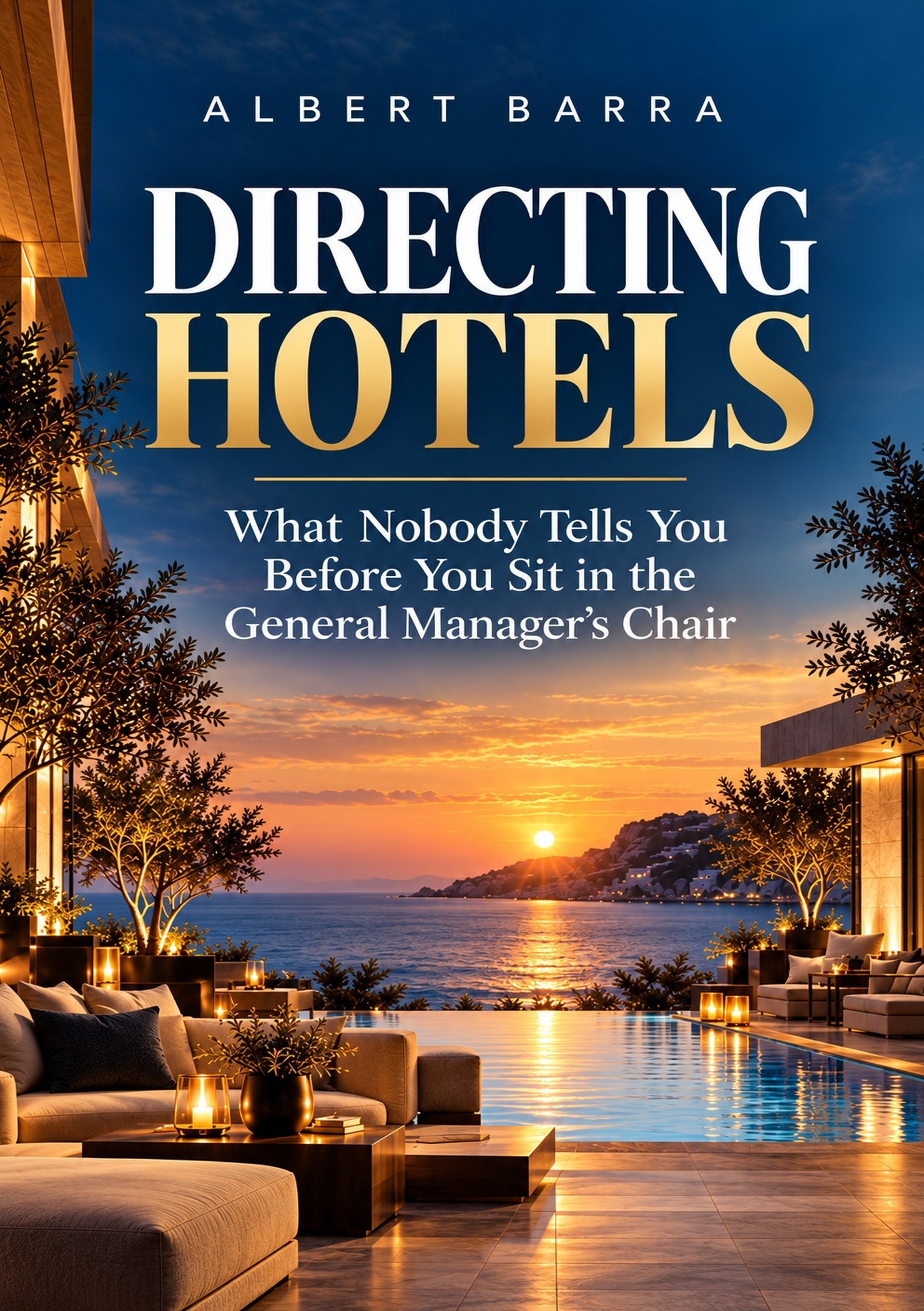
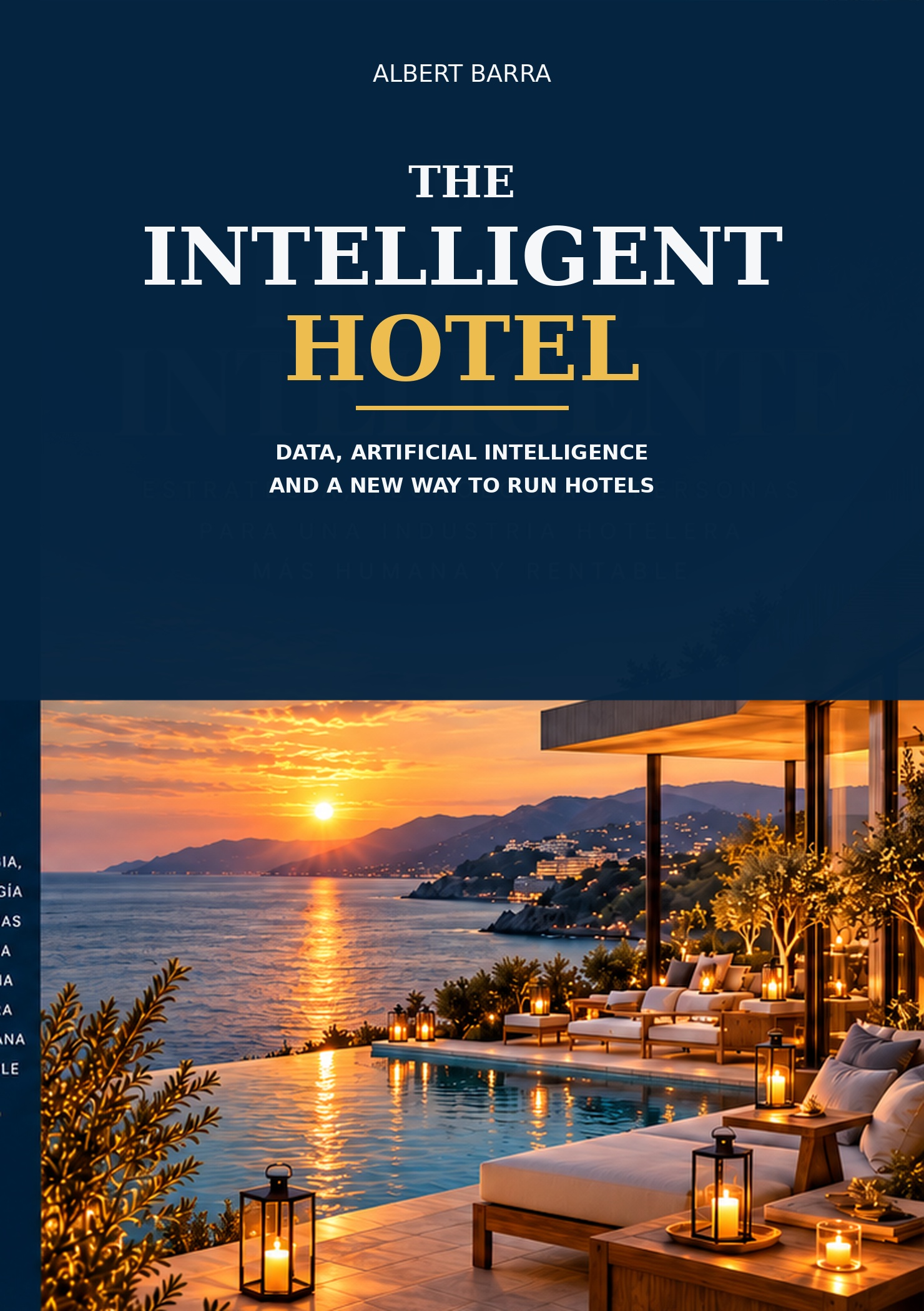
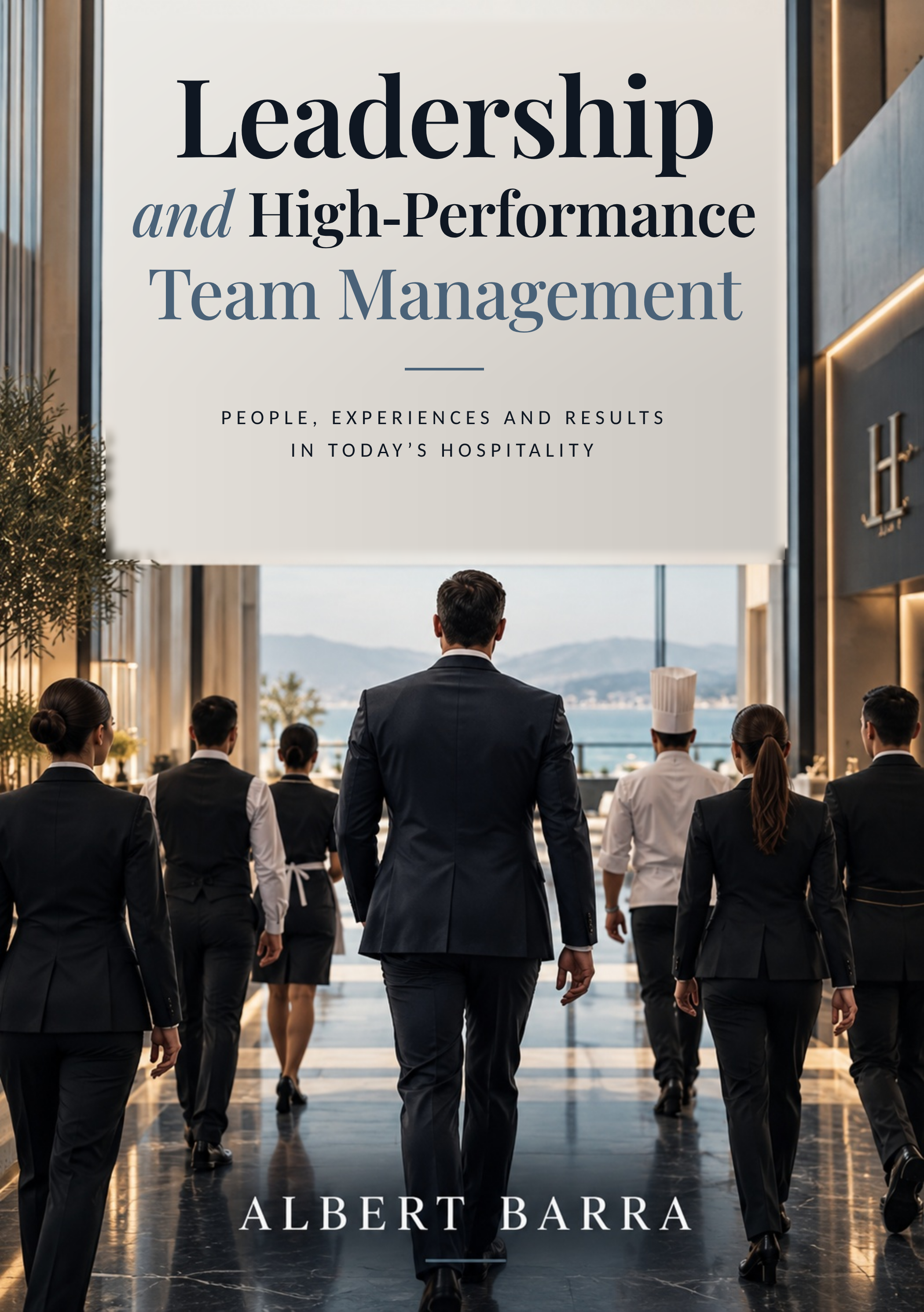
My published books
A Firm, Stable Stance
In golf, you need a firm stance when playing a shot. You need to be as balanced as possible. You cannot have either foot in the air when you strike the ball. The power you generate when executing the shot requires both feet on the ground and your body in balance. Otherwise, neither the line nor the distance of the shot will be right.
In business, the right stance is also needed. That is why organisation is one of management’s functions. It is about having a balanced structure. It is the subject of much discussion and has led to processes such as downsizing, restructuring and so on. Without it, you can forget about having a business with a sustainable long-term future.
Keeping Everything Under Control
In golf, everything has an influence: cold or heat, humidity, wind and rain, as well as factors such as the slopes and contours of the fairway, and the course itself, the gradients and speed of the greens. As a golfer, you must focus on them and take them into account at all times. Some change constantly and will affect the shot you need to play: how you shape it and which club you need to use.
This is equally true in business. Events and changes in the environment affect hotels and, ultimately, their strategy. You must continuously monitor developments in order to develop and implement a strategy that enables you to better serve your guests’ needs.
Dealing with the Competition Respectfully
In golf, you need to understand who your competitor is and what you need to do to outplay and outperform them. It is not common for a golfer to mock another because of their level of play or a poor shot. You need to focus on what you are doing. You only have control over your own game. Play your game, not your opponent’s. In the hotel business—and in business generally—the same is true. You must develop your strategy to serve your guest, and do so differently and better than the competition. Full stop.
Do not focus exclusively on your competitor: your guest is the true source of value. This does not mean ignoring your competitor; it simply means that if you ignore your guest and focus solely on your competitor, you will find yourself without that guest sooner than you think. Equally, if you ignore your competitor, you may find yourself out of the market.
Intrinsic Values
I was going to begin this section by saying that there is no golfer without values, no liar or cheat. But the truth is that I have seen it all and have had more than one disappointment. Here I am referring to values such as integrity and character.
The nature of golf is such that honesty is non-negotiable. You keep your own score. Often, you are the only person who will know whether the ball moved before you struck it. If integrity is not part of your character, the game of golf will quickly descend into chaos. Sometimes I see signs that people play to win above all else. It is sad, but that is how it is.
Let us remember that in golf, you play against yourself. Lying to others is unattractive, but lying to yourself is pathetic.
This also applies to business. Business ethics have become very important, and not everything is acceptable simply to achieve results.
Loud-Mouthed Pretenders and Empty Suits
In the world of golf, we recognise them quickly. They have the best clubs and the most expensive accessories, but they do not know how to use them. They are dressed to the nines, yet they will not hesitate to cheat or ignore a penalty for breaking the rules. They lose a ball and it miraculously appears in the least expected place, simply because they had another one in their pocket just in case. They can be difficult to spot.
In hotels, these are the people who ruin any business plan. They will look good and speak well. Handsome, well dressed and educated, but unable to do anything they claim they can do.
Since people are the most important part of any hotel business, you need to make sure you do not have anyone like that on the team. Rigorous recruitment policies and practices will help you avoid making mistakes in this regard.
The Role of Innovation
I have seen Jon Rahm play incredible shots. Tiger Woods, even more so. Faced with a particular set of conditions, knowing the course and trusting in his abilities, he comes up with an unimaginable shot.
In hotels, innovation and creativity are absolutely essential. Doing more of the same will get you nowhere. You will fall behind and lose your guests’ trust. Changes in the environment demand a great deal of innovation.
Having Fun and Enjoying It
This is the main thing. Winning and improving yourself are rewarding. But if you only do it for money, what is the point? You should stop playing if you no longer enjoy it. It is a game—enjoy it, and I am not referring to golf, precisely.
This article ends here. The archive does not.
Lead Hospitality brings together 1200 English articles published since 2018: years of experiences, decisions and lessons you can keep exploring.
What would you like to explore next?
Choose a direction and keep reading around what you want to solve, learn or challenge.