
FF&E and OS&E: The Hidden Investment That Shapes Hotel Success

Albert BarraJuly 9, 2026 · 6 min read
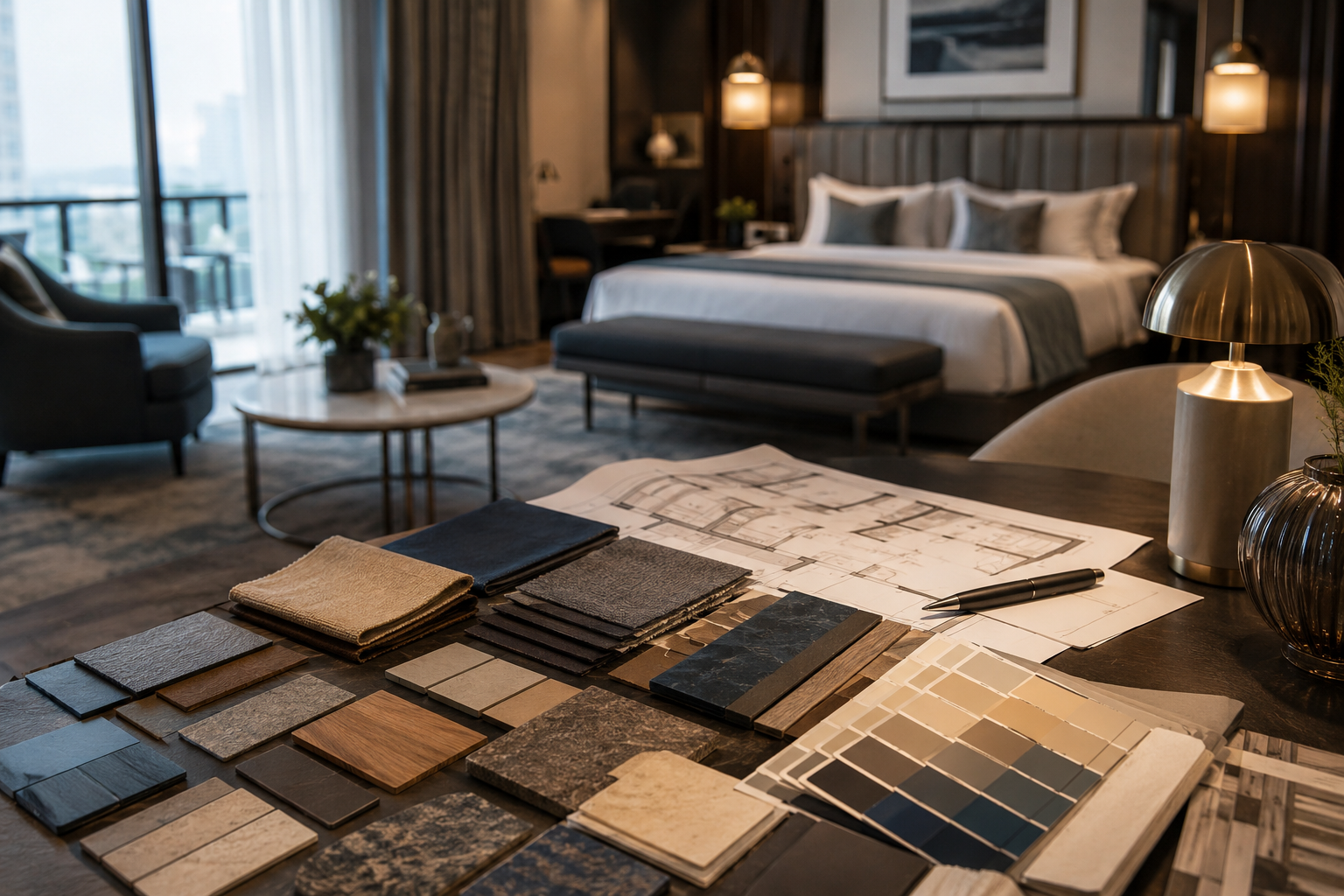

Understanding the difference between FF&E and OS&E is essential
One of the most common mistakes is to use both concepts as though they were synonymous. Although they are closely related, they serve entirely different functions within a hotel project. FF&E, short for Furniture, Fixtures & Equipment, refers to all assets that form part of the hotel’s permanent fit-out and can be replaced without affecting the building’s structure. These are investments that are normally depreciated over several years and have a direct influence on the property’s image, guest comfort and perceived quality.- Furniture for guestrooms, restaurants and public areas: defines a large part of the hotel’s visual and functional experience. A comfortable bed, a well-designed armchair or a durable table communicate far more than might appear about the property’s true positioning.
- Decorative lighting, televisions, audiovisual equipment and ornamental elements: help create atmosphere, aesthetic consistency and brand personality, but they must also be easy to maintain, repair and replace.
- Equipment for the gym, spa, offices or terraces: affects both guest satisfaction and the durability of the investment, especially in high-use areas where resilience and safety matter as much as design.
- Linen, towels, bathrobes and amenities: may seem like simple items, yet they have a direct impact on the guest experience, the perception of cleanliness, comfort and consistency with the hotel’s category.
- Crockery, glassware, cutlery and kitchen utensils: are essential to the operation of Food & Beverage departments, where poor forecasting can lead to stock shortages, service delays and a loss of perceived quality.
- Uniforms, housekeeping trolleys, office supplies and small operational equipment: form part of the silent infrastructure without which the hotel simply could not operate normally.
Lead Hospitality Library
My published books
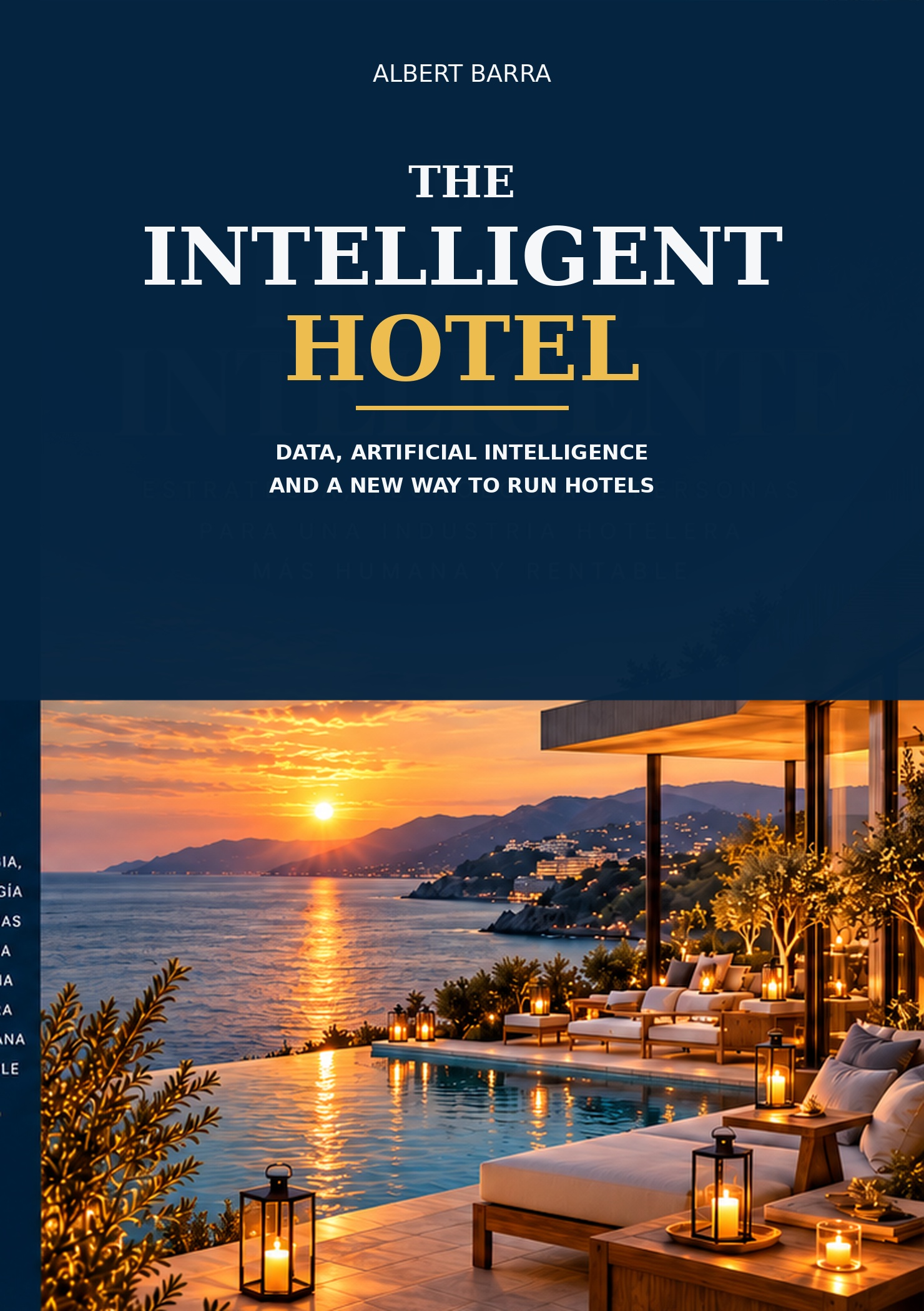
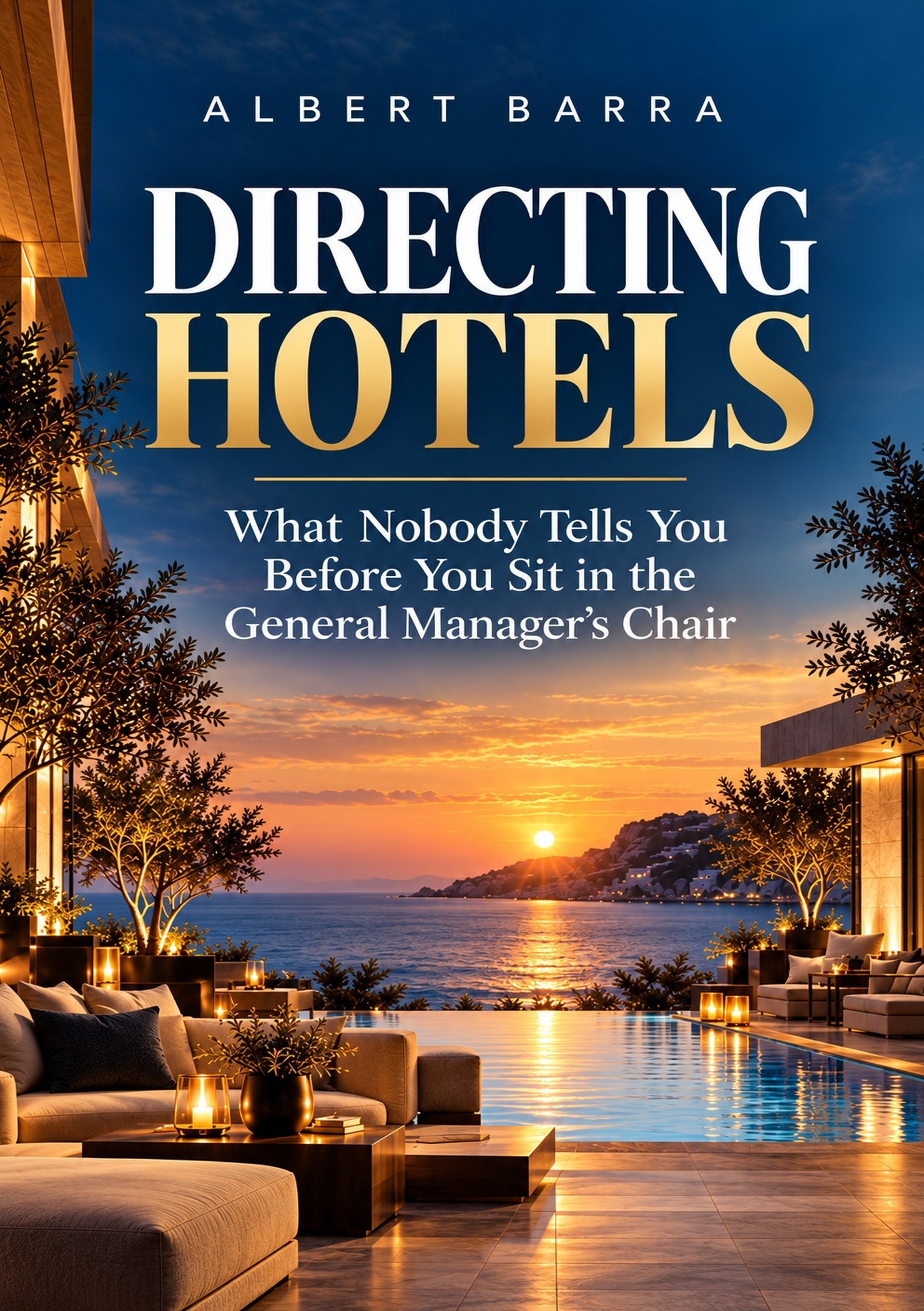
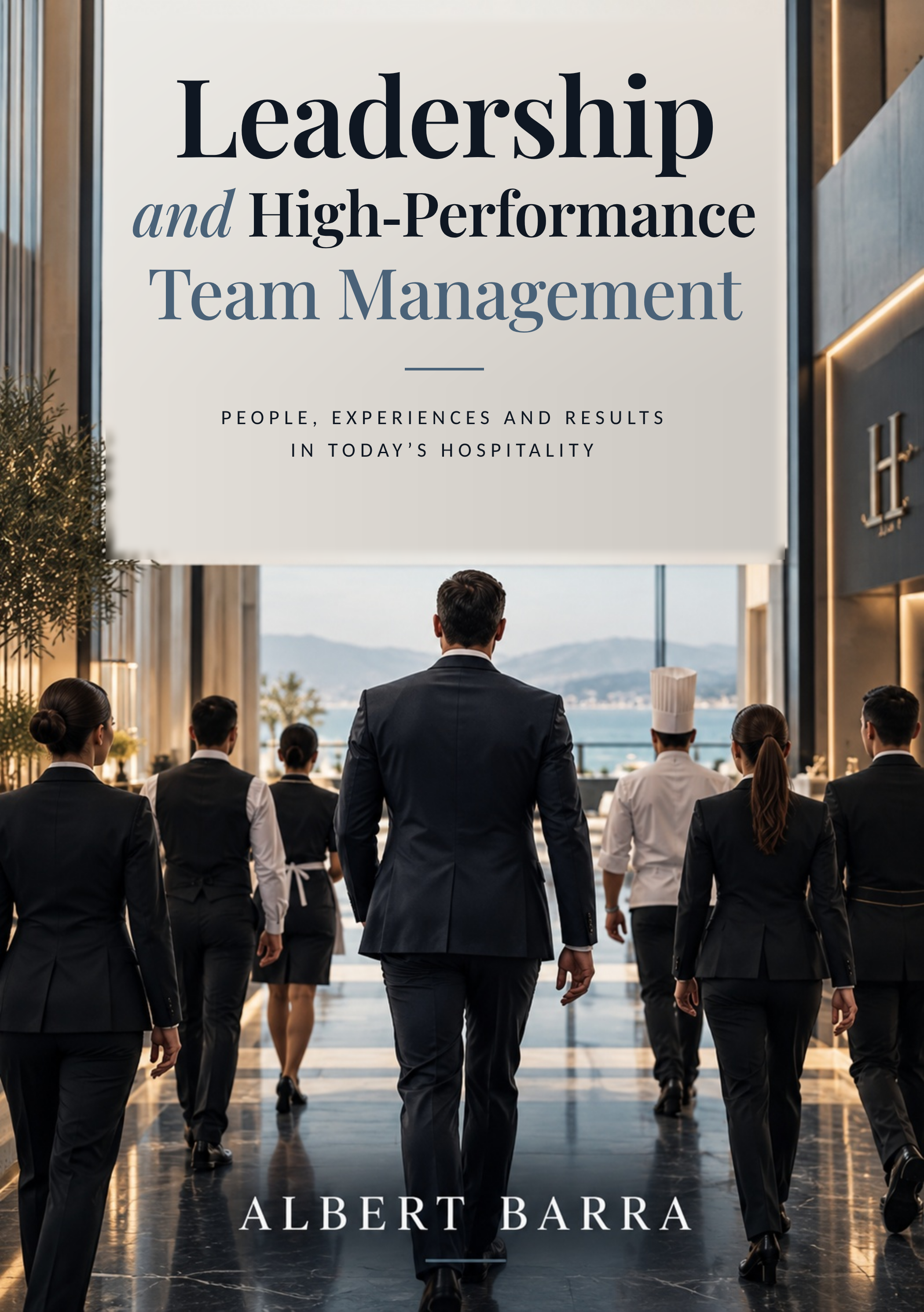
The Intelligent HotelData, Artificial Intelligence and a New Way to Run Hotels→Directing HotelsWhat Nobody Tells You Before You Sit in the General Manager’s Chair→Leadership and High-Performance Team ManagementPeople, Experiences and Results in Today\\\'s Hospitality→
See all books Digital edition · Personal licence · Free or discounted for subscribers
A strategic decision, not a simple purchase
The difference between a good project and an excellent one does not usually lie in how much money is invested, but in how decisions are made. FF&E and OS&E should not be selected solely on aesthetic grounds or based on the lowest price. Every item must respond to a strategic vision that considers the guest experience, operational efficiency and maintenance costs throughout its useful life. Too often, I see products selected because they look attractive on paper, yet are impractical for those who will have to use them every day. Furniture that is difficult to clean, a light fitting with no spare parts available or excessively fragile tableware end up generating costs far greater than any perceived saving made at the time of purchase. In Hospitality, buying cheaply is rarely a problem on the day of purchase; it usually becomes one two years later, when replacements, complaints and maintenance workarounds begin. That is why I consider it essential to involve the heads of Operations, Housekeeping, Maintenance, Food & Beverage and Purchasing in these decisions. They are the people who understand the hotel’s real needs and who can assess factors that a catalogue will never reveal. Aesthetics are seductive, but operations always tell the truth.- FF&E shapes the perception of quality: long before guests assess the team’s professionalism or the quality of the food offering, they begin to form an opinion of the hotel through what they see, touch and use.
- OS&E supports daily operations: poor planning for linen, tableware, uniforms or small equipment may not be apparent in a project presentation, but it is felt every morning in real-world operations.
- Total cost of ownership matters more than the initial price: a durable chair, long-lasting tableware or a quality mattress may seem more expensive at the point of purchase, but they are usually far more cost-effective when their full lifecycle is analysed.
This article ends here. The archive does not.
Lead Hospitality brings together 1200 English articles published since 2018: years of experiences, decisions and lessons you can keep exploring.
CONTINUE FROM HERE
What would you like to explore next?
Choose a direction and keep reading around what you want to solve, learn or challenge.
01MAKE MOREProfitability, revenue and decisions that reach the bottom line.
02LEAD BETTERTeams, culture, talent and the conversations that matter.
03SELL BETTERPositioning, marketing, distribution and customers.
04CREATE EXPERIENCESService, loyalty and details guests remember.
05UNDERSTAND WHAT'S NEXTInnovation, AI and new ways of thinking about Hospitality.
✦SURPRISE MEShow me something worth five minutes of my time.