
My Golf Ball Metaphor for Team Reliability and Commitment

Albert BarraMarch 17, 2024 · 6 min read

For years, golf has been a passion that has shaped my perspective both on the course and in business. The elegance of a perfectly executed swing, the strategy behind every shot and the camaraderie shared in every round are aspects that have captivated me from the very beginning. Far more than a simple sport, golf has become an endless source of lessons and metaphors that transcend the boundaries of the course and apply to my professional life, especially in the exciting world of hotel management.
Just as in golf, where precision and determination are essential to achieving success, in the hospitality industry, service excellence and attention to detail are the cornerstones of a memorable guest experience. My passion for golf has taught me the importance of dedication and consistent practice in improving every aspect of my life, whether on the green or in hotel management. This same passion and commitment are reflected in my approach to leadership and excellence in hospitality.
As a golf enthusiast and seasoned hospitality professional, I have found a deep connection between these two seemingly disparate worlds. In my pursuit of perfection in golf, I have discovered remarkable parallels with the challenges and opportunities I face as a leader in the competitive and dynamic hospitality sector. It is this shared passion for golf and hospitality that drives me to explore new ways to improve and overcome challenges, inspiring my team and elevating our guests’ experience to new heights.
It is interesting how this sport can offer valuable lessons applicable to hotel management. Allow me to explore this fascinating parallel between golf balls and the human team in the hospitality industry.
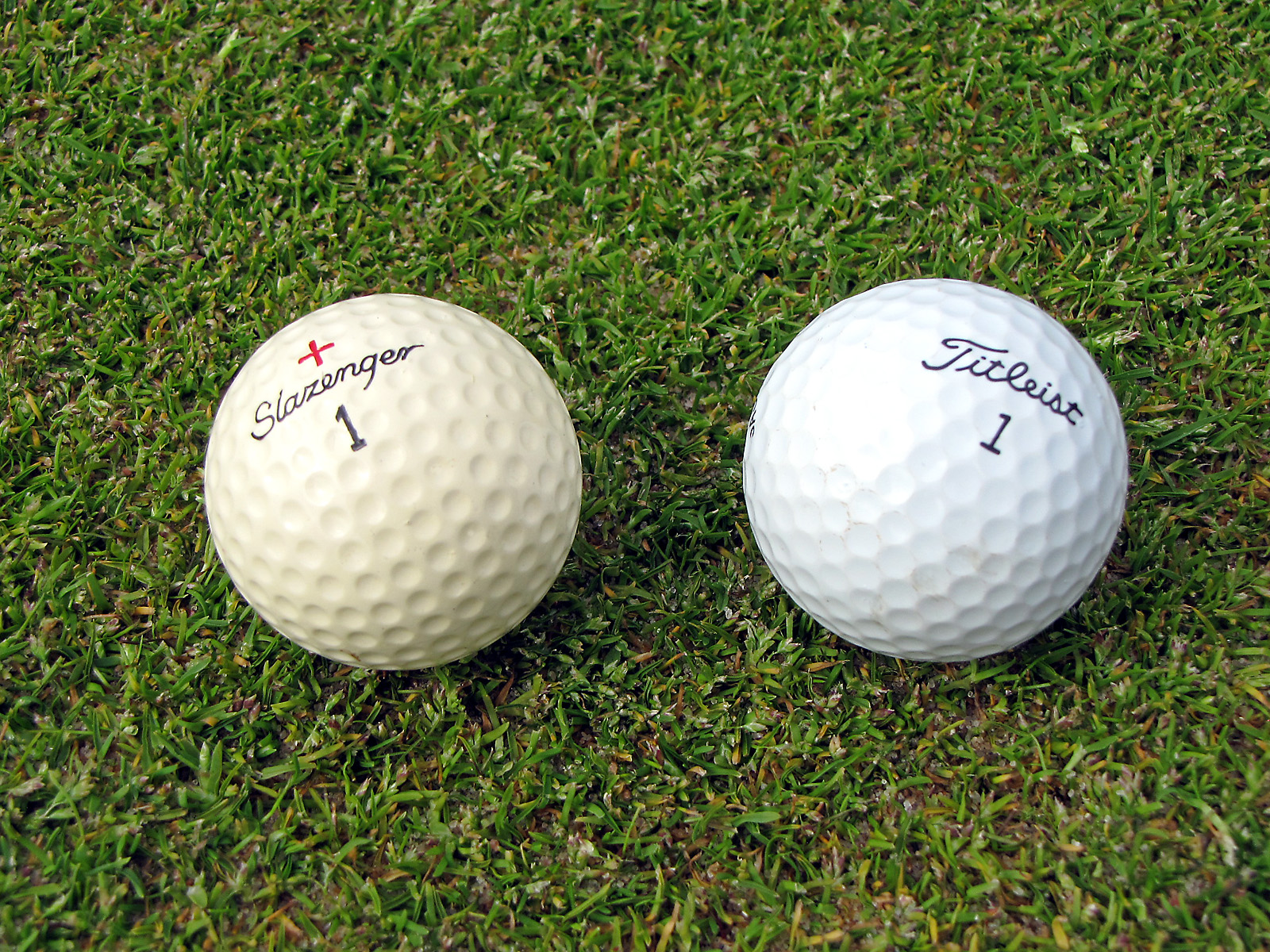
Imagine that you are on the tee, ready to begin your round. In your hands, you hold two types of golf balls: one inexpensive and unreliable, and another more expensive but highly reliable. The first, despite its low cost, tends to veer off target, bounce in unpredictable directions and, at times, get lost in the rough. The second, by contrast, is consistent, predictable and gives you the confidence needed to approach every shot with determination.
In the world of golf, it can be easy to become confused at first when looking at two balls that appear almost identical. However, as we delve deeper, we discover subtle yet significant differences that affect their performance on the course. This same principle can be applied to the human team in the hospitality industry. At first glance, two teams may appear similar in terms of their composition and apparent skills, but upon closer examination, fundamental differences emerge that affect their ability to deliver exceptional service.
Imagine that you are on the tee, ready to begin your round. In your hands, you hold two types of golf balls: one inexpensive and unreliable, and another more expensive but highly reliable. The first, despite its low cost, tends to veer off target, bounce in unpredictable directions and, at times, get lost in the rough. The second, by contrast, is consistent, predictable and gives you the confidence needed to approach every shot with determination.
In the world of golf, it can be easy to become confused at first when looking at two balls that appear almost identical. However, as we delve deeper, we discover subtle yet significant differences that affect their performance on the course. This same principle can be applied to the human team in the hospitality industry. At first glance, two teams may appear similar in terms of their composition and apparent skills, but upon closer examination, fundamental differences emerge that affect their ability to deliver exceptional service.
- Coordination and communication: Just as a reliable golf ball requires precise coordination between its core, cover and aerodynamics to achieve a consistent flight, a strong human team needs seamless communication and effective coordination to operate smoothly. In a well-coordinated team, each member understands their role and contributes to the hotel’s common goal. Conversely, in a disorganised team, a lack of communication can lead to errors, misunderstandings and delays in guest service.
- Training and development: Just as a high-quality golf ball undergoes rigorous testing and fine-tuning to ensure optimal performance, a strong human team requires ongoing training and development to stay current with the latest trends and practices in the hospitality industry. A commitment to continuous learning and professional growth is what distinguishes an exceptional team from an average one.
- Attitude and commitment: Finally, the most significant difference between two teams may lie in their attitude and commitment to excellence. A motivated and committed team not only carries out its assigned tasks, but also constantly seeks ways to improve and exceed guest expectations. Conversely, an apathetic or unmotivated team can negatively affect the guest experience and the hotel’s reputation.
- Guest service: Imagine a guest arriving at the hotel after a long journey. Their room is not ready, and they are visibly tired and frustrated. In this situation, it is crucial to have an empathetic and proactive human team that can resolve the issue quickly, offering alternative solutions and appropriate compensation. A well-trained team can turn a negative experience into an opportunity to impress the guest with exceptional service.
- Crisis management: Suppose the hotel faces a crisis, such as a sudden flood or an outbreak of illness among employees. At times like these, it is essential to have a human team prepared to act quickly and effectively. A well-coordinated team can implement an action plan, communicate transparently with guests and ensure their safety and wellbeing throughout the crisis.
- Fostering organisational culture: In a hotel, organisational culture plays a crucial role in employee satisfaction and retention. A strong human team shares the hotel’s values and vision, feels part of a community and works in harmony towards common goals. This cohesion strengthens morale, increases productivity and improves the experience for both employees and guests.